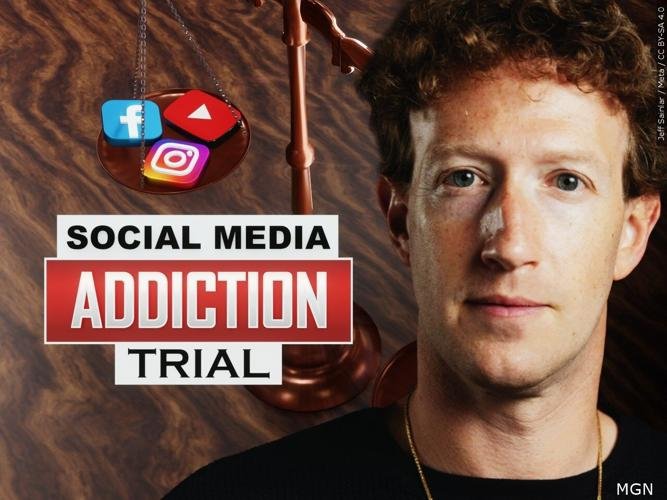
A jury in Los Angeles has delivered a landmark verdict against Meta and Google, ruling that their platforms contributed to the social media addiction and mental health struggles of a young user, in a decision that could reshape the legal landscape for Big Tech.

The plaintiff, a 20-year-old identified as Kaley, was awarded $3 million in damages after jurors found that features on platforms such as Instagram, Facebook, and YouTube played a significant role in harming her mental wellbeing from an early age.
According to the verdict, Meta was held 70 percent responsible, while YouTube, owned by Google, was assigned 30 percent liability. The court is yet to decide on punitive damages, which could substantially increase the total compensation.
The case is already being viewed as a turning point, with hundreds of similar lawsuits pending across the United States. Legal experts say the outcome may open the door for greater accountability for technology companies over the design and impact of their platforms, particularly on minors.
During the trial, the plaintiff testified that she began using Instagram at age nine and YouTube at six, despite existing age restrictions. She told the court that prolonged exposure contributed to anxiety, depression, and body image concerns, including a diagnosis of body dysmorphia. Her legal team argued that platform features such as endless scrolling were deliberately engineered to maximise user engagement.
Top executives, including Mark Zuckerberg and Adam Mosseri, were called to testify, with much of the proceedings focusing on Meta’s internal practices and design choices.
Read also:
- Edo court convicts man over $19,400 bitcoin fraud
- US Visa Fee Controversy: $15,000 charge threatens African participation at 2026 World Cup
- Stephen Colbert to write new Lord of the Rings film
In response to the ruling, both companies rejected the verdict and confirmed plans to appeal. Meta maintained that teen mental health is influenced by multiple factors and cannot be attributed to a single platform, while Google argued that YouTube operates as a regulated video service rather than a conventional social media network.
The decision comes amid rising global scrutiny over child safety and online wellbeing. It also follows a separate ruling in New Mexico, where Meta was found liable in a case involving minors’ exposure to harmful content.
Legal analysts believe the back-to-back rulings signal a broader shift that could redefine how courts assess responsibility in the digital age, particularly where young users are concerned.