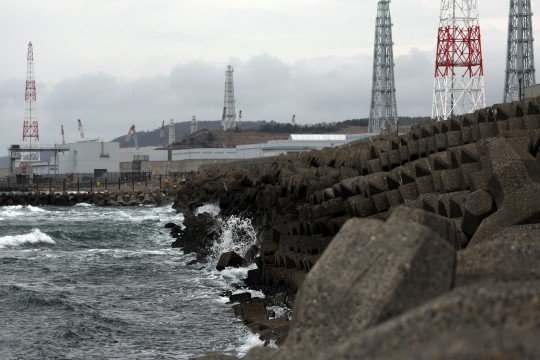
Japan is set to restart operations at the Kashiwazaki-Kariwa nuclear power plant in Niigata Prefecture, the largest nuclear facility in the world, following approval by the local government.
The Niigata Prefectural Assembly on Monday voted in support of a partial restart of the plant, expressing confidence in Governor Hideyo Hanazumi, who endorsed the move last month. The decision clears the way for the resumption of operations at the facility after years of suspension.

Japan has gradually been reopening nuclear plants as part of efforts to cut carbon emissions and reduce reliance on imported fossil fuels, reversing policies adopted after the 2011 Fukushima nuclear disaster. That catastrophe, triggered by a powerful earthquake and tsunami, led to the shutdown of all 54 nuclear reactors in the country and significantly eroded public trust in nuclear energy.
Read Also:
- England lines up friendlies against Uruguay, Japan ahead World Cup
- Japan, SSDO partner to expand healthcare support in Enugu with medical waste incinerator project
- Tinubu departs Abuja on official visit to Japan, Brazil
Of the 33 nuclear reactors currently considered operational nationwide, 14 have so far been restarted. Kashiwazaki-Kariwa is particularly significant as it is operated by Tokyo Electric Power Company (TEPCO), the same utility responsible for the Fukushima plant.
According to Japan’s public broadcaster NHK, TEPCO plans to reactivate the first of the facility’s seven reactors on January 20. The Ministry of Economy, Trade and Industry estimates that the restart could boost electricity supply to the Tokyo metropolitan area by about two per cent.
The move comes amid mounting economic and environmental pressures. Japan spent approximately 10.7 trillion yen ($68 billion) last year on imports of liquefied natural gas and coal, accounting for about one-tenth of its total import bill. Prime Minister Sanae Takaichi, who assumed office two months ago, has argued that restarting selected nuclear plants is essential for energy security and climate change mitigation.
Despite official backing, public opinion in Niigata remains divided. About 300 protesters gathered to oppose the assembly’s decision, carrying placards reading “No Nukes,” “We oppose the restart of Kashiwazaki-Kariwa,” and “Support Fukushima.”
Among the protesters was Ayako Oga, a farmer and anti-nuclear activist who relocated to Niigata after evacuating from the Fukushima region in 2011 along with about 160,000 others. Her former home was within the 20-kilometre exclusion zone created after the radiation leak.
“We know firsthand the risk of a nuclear accident and cannot dismiss it,” Oga said, adding that she still experiences symptoms similar to post-traumatic stress disorder.
While supporters of the restart point to potential job creation and lower electricity costs, critics continue to warn of safety risks and long-term consequences, underscoring the enduring sensitivity of nuclear power in Japan.