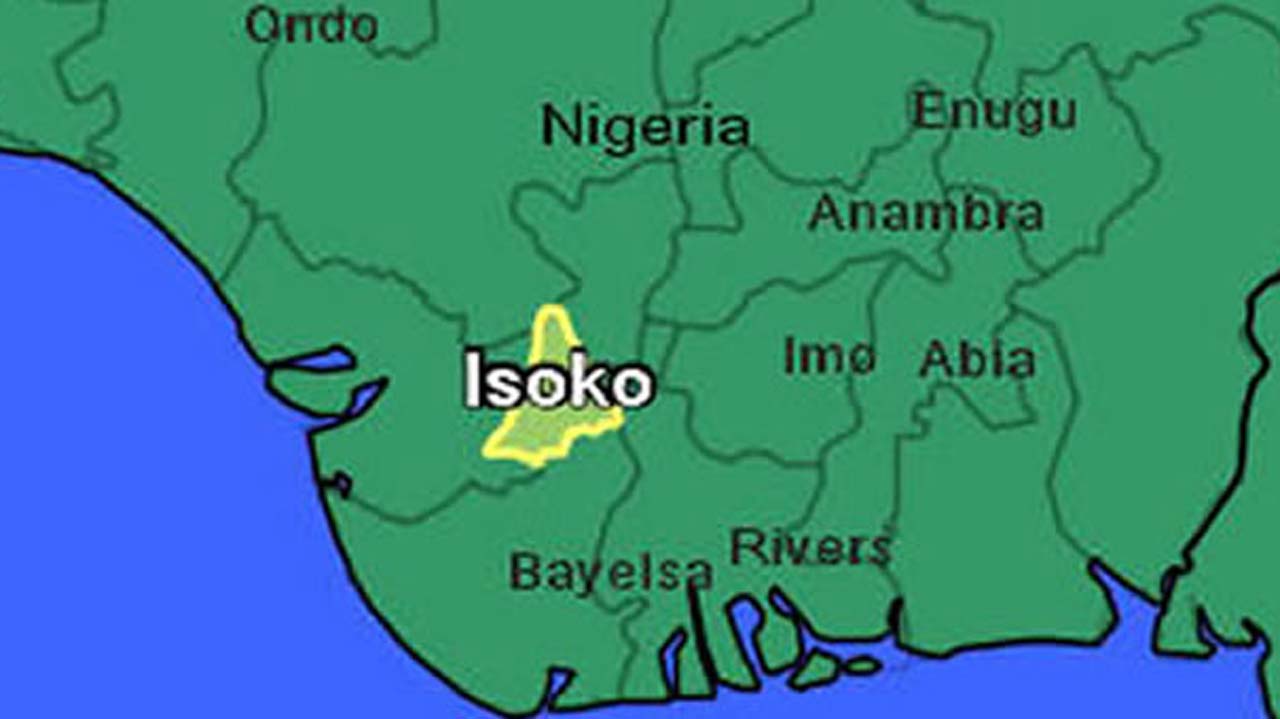
The Isoko Renaissance Group (IRG) has called on the public, media organisations, and relevant authorities to independently verify its authentic leadership structure following the circulation of an open letter allegedly written in its name.
In a strongly worded rebuttal signed by its Publicity Secretary, Aghogho Oletu, the group distanced itself from the controversial publication, insisting that the individuals who appended their names to the letter are neither recognised members nor office holders of the organisation.

IRG described the development as a deliberate act of impersonation aimed at creating confusion and misrepresenting its longstanding position on issues affecting the Niger Delta.
According to the statement, IRG has operated with a clearly defined leadership structure since its establishment in 2020.
Read also:
- Chief Ogodo donates 120 chairs to Enhwe Comprehensive High School
- Niger Delta Games festival torch arrives Yenagoa as Gov. Diri lauds initiative
- Ikpokpo insists on strict athlete eligibility, local talent for 2nd Niger Delta Games
The group noted that it maintains a discreet but verifiable official address and has consistently communicated through identifiable channels.
It stressed that its previous publications, public engagements, and documented activities provide clear evidence of its legitimate leadership and organisational integrity.
The organisation characterised the disputed open letter as a calculated attempt to mislead President Bola Tinubu and the wider Nigerian public, particularly on matters relating to ongoing security reforms and pipeline surveillance operations in the Niger Delta.
It warned that such actions not only undermine credible civic advocacy but also risk destabilising the fragile security gains recorded in oil-producing communities.
IRG further urged national security agencies and relevant government institutions to conduct independent assessments of pipeline surveillance operations by engaging directly with host communities, traditional institutions, and other critical stakeholders.
It cautioned against relying on what it described as “faceless petitioners” whose motives, it claimed, may be driven by vested interests rather than the collective good of the region.
Reaffirming its commitment to responsible advocacy, IRG stated that it would not allow its name to be used as a vehicle for misinformation or to advance agendas capable of reversing developmental and security progress in the Niger Delta.
The group assured the public that it remains steadfast in promoting transparency, accountability, and sustainable peace across Isoko land and the wider region.