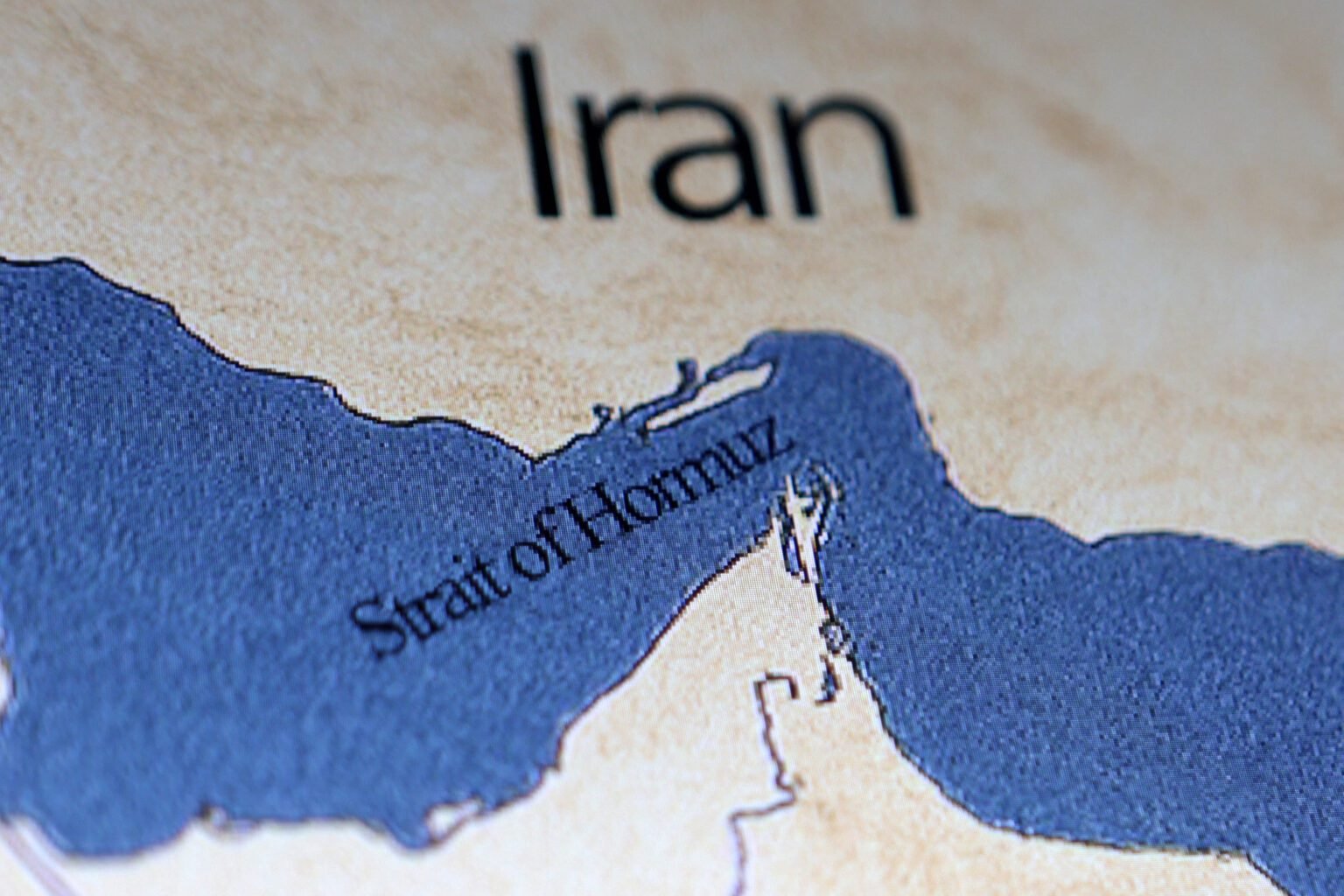
Fresh tensions in the Middle East have raised alarm across global energy markets after Iran warned it could block oil shipments through the strategic Strait of Hormuz, one of the world’s most critical maritime corridors for crude exports.
The warning came on Wednesday, March 11, 2026, from Ebrahim Zolfaqari, spokesperson for Khatam al‑Anbiya Central Headquarters, who declared that Iran would not allow “a single litre of oil” to pass through the waterway for the benefit of the United States, Israel, or their allies as regional hostilities intensify.

Zolfaqari also warned that oil shipments destined for those countries could be treated as “legitimate targets,” a statement that signals a possible escalation in the growing confrontation across the region and heightens fears of a disruption to global oil supply.
Read also:
- UN Security Council condemns Iran’s attacks on Gulf States, Jordan
- Fuel Hike: A National Security threat with a woman’s face
- Iran pulls out of 2026 World Cup over rising tensions with United States
The Strait of Hormuz connects the Persian Gulf to the Gulf of Oman and carries nearly one fifth of the world’s crude oil exports. Any interruption along the narrow shipping lane could trigger severe consequences for global energy markets and international trade.
Oil prices have already surged above 100 dollars per barrel amid the latest geopolitical tensions. Market analysts warn that a prolonged blockade or military confrontation in the waterway could drive prices toward 200 dollars per barrel, raising the prospect of a global energy shock.
In response to the growing crisis, the International Energy Agency announced plans for a coordinated emergency release of 400 million barrels of crude oil from strategic reserves held by its member countries. The measure is aimed at stabilising global markets and reducing the immediate risk of supply shortages.
Energy experts say Iran’s threat underscores the powerful leverage it holds over one of the world’s most important oil transit routes. The warning also highlights how escalating geopolitical tensions in the Middle East could deepen volatility in an already fragile global energy market.