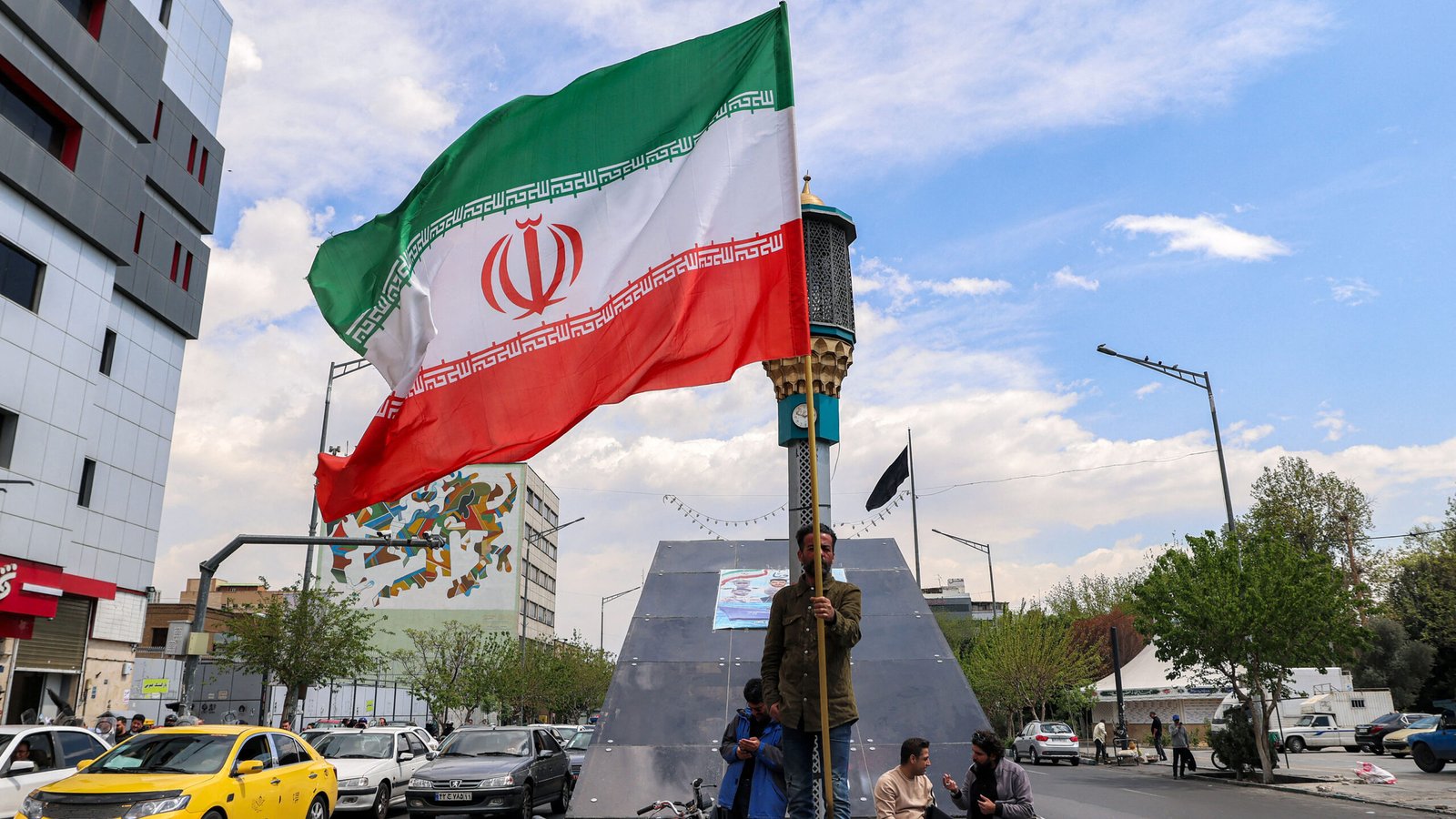
Tensions in the Gulf have deepened after Iran accused the United States of breaching a fragile ceasefire, casting fresh uncertainty over efforts to stabilise the region and safeguard global oil supply routes.
At the centre of the dispute is the Strait of Hormuz, a critical passage for international energy shipments. Conflicting accounts have emerged regarding maritime activity in the area, with Tehran suggesting possible restrictions while Washington insists that shipping operations remain largely stable.

Iran’s parliamentary speaker, Mohammad Bagher Ghalibaf, said recent developments have eroded any meaningful basis for dialogue. He pointed to reported Israeli strikes in Beirut, alleged drone incursions into Iranian airspace, and unresolved disputes over uranium enrichment as factors undermining trust.
According to Ghalibaf, the environment for negotiations had already deteriorated before formal talks could take shape, making further engagement unrealistic under current conditions.
Read Also:
- Trump announces U.S.-Iran cooperation after “Very Productive Regime Change”
- Iran threatens to withdraw from ceasefire if Israel’s attacks on Lebanon persist
- Trump suspends planned Iran strike for 2 weeks as 10-point conditions open door to talks
In response, the White House rejected the allegations, maintaining that U.S. policy remains unchanged. Press secretary Karoline Leavitt reiterated Washington’s long-standing demand for Iran to halt uranium enrichment activities.
She also dismissed claims that the Strait of Hormuz had been effectively shut, noting increased vessel movement in the corridor and suggesting that Tehran’s public statements may not fully reflect the situation on the ground.
Despite these reassurances, uncertainty continues to weigh on the region. Iranian media reports on tanker movements remain inconsistent, while authorities have warned that unauthorised vessels could face enforcement measures.
With renewed security concerns, including reported drone threats to key infrastructure, the ceasefire appears increasingly fragile, heightening fears over regional stability and potential disruptions to global energy markets.