Women who spend days and nights in hospital wards caring for sick relatives have been described as unsung heroes whose sacrifices often go unnoticed.
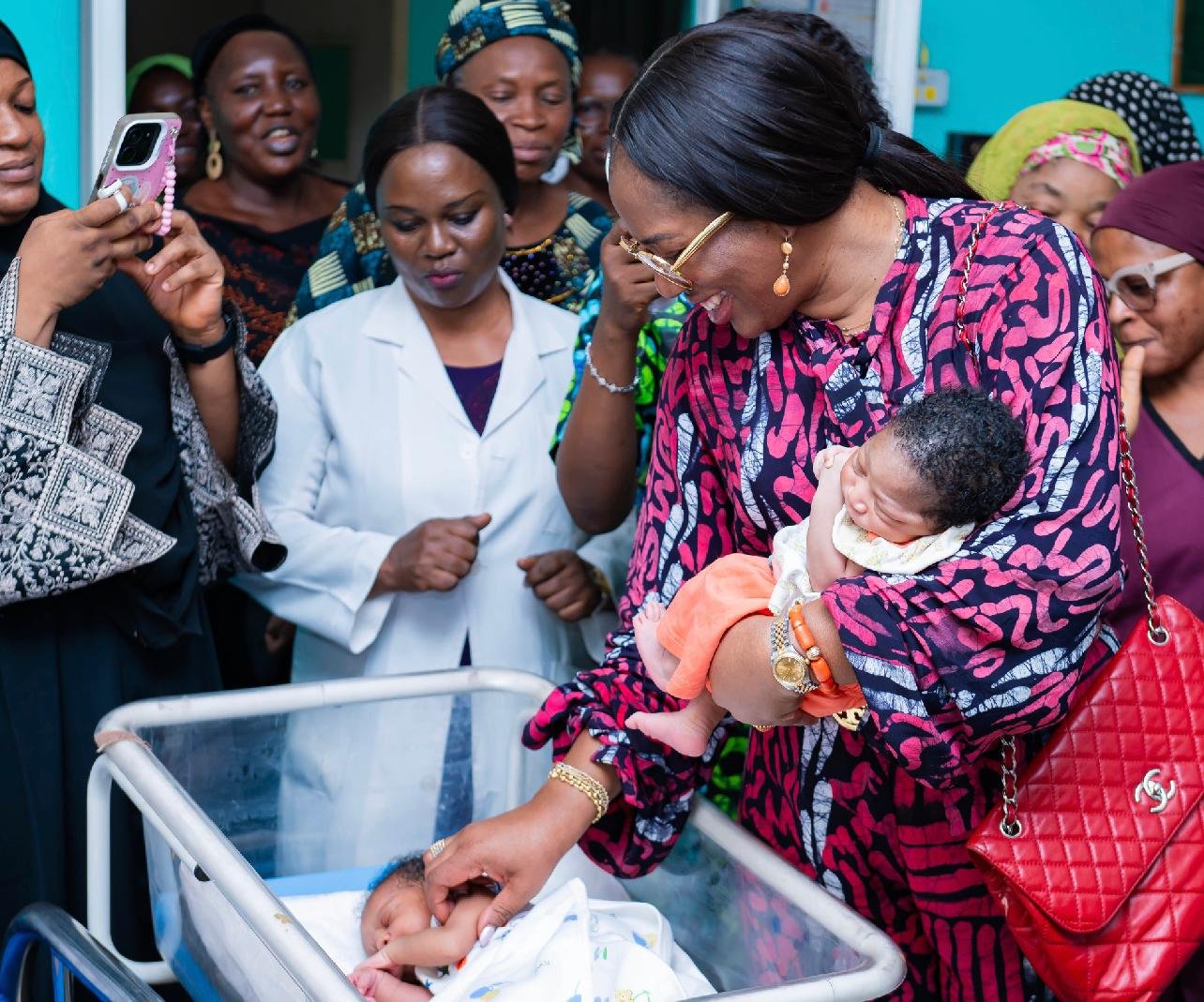
Speaking during a visit to patients at the Kuje General Hospital to mark International Women’s Day 2026, the Mandate Secretary for the Federal Capital Territory Administration (FCTA) Health Services and Environment Secretariat, Dr. Adedolapo Fasawe, commended mothers who remain by the bedsides of loved ones receiving treatment, noting that their dedication provides comfort and hope that medicine alone cannot offer.

Addressing patients and caregivers, she said the visit was aimed at recognising the courage and resilience of women who leave the comfort of their homes to care for relatives in hospital wards.
“I am delighted to be at the Kuje General Hospital today to visit women who are sick or caring for sick loved ones.
“On this day, International Women’s Day 2026, we celebrate the theme: Giving to Gain,” the mandate secretary said.
Read Also:
- International Women’s Day: Akwa Ibom surpasses 35% women representation- Deputy governor
- The world commemorates 2026 International Women’s Day
- Nigeria marks International Women’s Day with calls for equality, empowerment
Fasawe noted that mothers who remain in hospitals to care for their loved ones often sacrifice their own comfort and routines, trading their beds for plastic chairs and hospital corridors.
“These women are the quiet pillars of strength in our hospitals. They trade their warm beds for plastic chairs. They exchange the comfort of their kitchens for hospital corridors.
“They set aside their routines, their work, and often their own health simply to be present for someone they love,” she stated.
“They may not be on the hospital payroll, but they work tirelessly. They may not be trained nurses, but they carefully watch over their loved ones.
“And though they are not doctors, their presence often becomes the medicine that brings hope and strength.”
According to Fasawe, mothers caring for patients frequently provide support that goes beyond medical treatment, offering emotional comfort in moments of vulnerability.
“In moments of illness and vulnerability, a mother’s presence provides something medicine alone cannot give: love, comfort, and hope.
“To every mother who has slept on a hospital bench, skipped meals to stay by a bedside, and carried hope when others felt weary, you are heroes. Not famous heroes, but the kind whose love heals in ways science cannot measure,” she added.