Hidden in the lush hills of Obudu Local Government Area of Cross River State lies Ubang, a remarkable community where men and women speak entirely different words for the same objects but still understand one another perfectly.
In Ubang, language is divided by gender, and the difference begins at home. While a father might call a tree kichi, the mother refers to it as okweng. For water, men say bamuie while women call it amu. The word for shirt is nki among men and ariga among women, just as a cup is nkoh for men and ogbala for women.

Every child in Ubang grows up first speaking the women’s version of the language, since they spend their early years close to their mothers. But by the age of five or six, boys begin to switch under the guidance of their fathers and older male relatives. By adolescence, every male has fully transitioned into the “male language,” though both genders communicate effortlessly.
Read also:
- Cross River introduces Jesus Carnival into state’s tourism calendar
- Cross River Government secures ownership of defunct Rubber Estates to boost economic
- Cross River opens technical bids for revitalization of oil palm estates
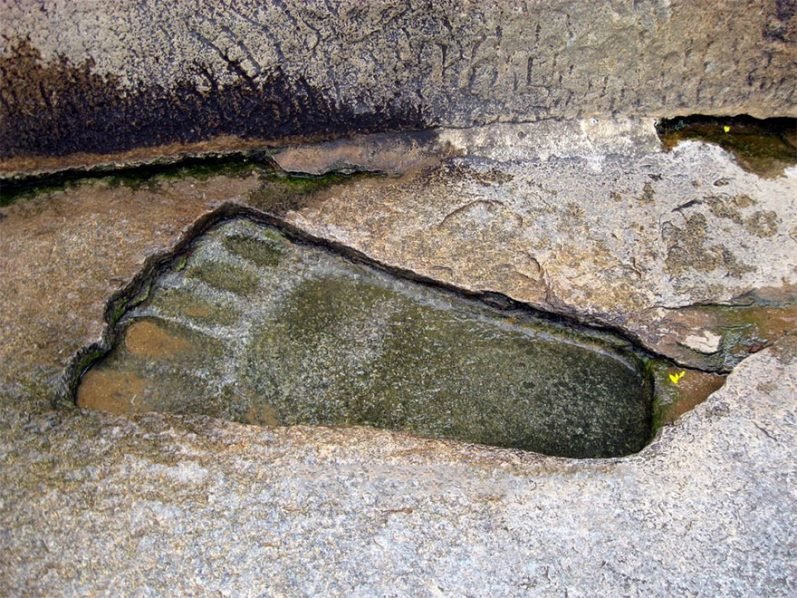
Community elders say the linguistic divide is a divine gift. According to local belief, God visited Ubang long ago and left a giant footprint on the mountain, a sacred sign that still stands as proof of their unique heritage. They claim God gave the people three languages: one for men, one for women, and a third that was lost over time.
Many in the community hold to the legend that God separated the languages to prevent constant quarrels between men and women, while others believe it began as a secret wartime strategy to confuse enemies.
To this day, Ubang remains one of the few places in the world where gender determines language, a living mystery that continues to attract linguists, tourists, and cultural researchers eager to understand how harmony thrives in a society where words are divided but meaning remains shared.