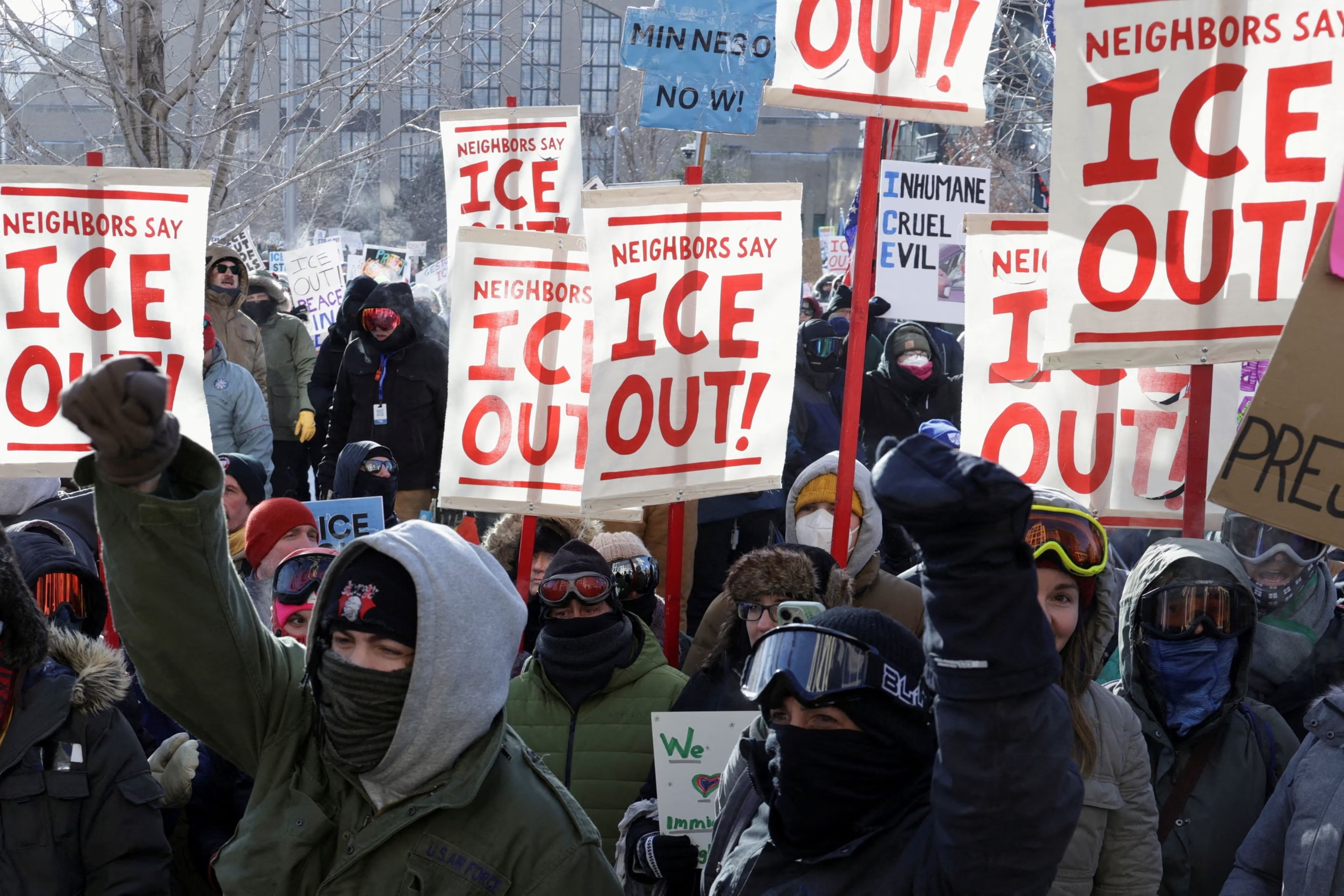
Thousands of demonstrators flooded the streets of Minneapolis over the weekend, braving brutal subzero temperatures to protest President Donald Trump’s intensified immigration enforcement, turning the city into the epicenter of a growing national backlash against federal crackdowns.
Despite wind chills plunging to nearly minus 29 degrees Fahrenheit, protesters marched through downtown Minneapolis demanding an immediate end to Immigration and Customs Enforcement raids, a halt to deportations, and the withdrawal of federal agents from Minnesota. The protests formed part of the expanding “ICE Out” movement, which organizers say is aimed at protecting immigrant communities and resisting what they describe as an increasingly militarized approach to enforcement.

Chanting “ICE out” and carrying placards condemning federal policy, demonstrators waved American flags as they moved through key parts of the city. Many arrived wrapped in thick coats, scarves, and hats, while organizers distributed hand warmers to help participants endure the harsh Arctic conditions. The size of the crowd, estimated in the thousands, underscored the depth of anger over the administration’s actions.
The protests intensified following a series of controversial incidents linked to a recent surge in federal immigration operations that began in late 2025 and escalated in January 2026. Minneapolis has since been described by activists as ground zero for the Trump administration’s tougher stance. Reports of fatal shootings involving federal agents, including the deaths of Renee Nicole Good and 37-year-old nurse Alex Pretti, sparked widespread outrage. Protesters allege the victims were unjustly killed during ICE operations, with some incidents reportedly involving United States citizens.
Placards calling for the arrest of agents involved in the shootings reflected growing frustration, as critics accused federal authorities of excessive force in a city known for its sanctuary-leaning policies. Clergy members have played a prominent role in the resistance, with about 100 religious leaders arrested during demonstrations at Minnesota’s largest airport in protest against the enforcement surge.
Minnesota Governor Tim Walz publicly urged the Trump administration to pull federal agents from the state, warning that the operations were eroding public trust and putting lives at risk. The legal battle has also escalated, with a federal judge issuing rulings that restrict certain actions by Department of Homeland Security agents against peaceful protesters, including limits on arrests and the use of pepper spray or other nonlethal weapons.
Read also:
- Two Mexican Journalists killed, taking the year death toll to 11
- US Star Trinity Rodman becomes World’s highest-paid women’s footballer after $2m Washington spirit deal
- Nigerians hail UN over Ezedioranma’s appointment as Special Envoy
National attention intensified as Vice President J.D. Vance visited Minneapolis amid the unrest, issuing stern warnings about harsh penalties for any attacks on federal personnel. Even so, protests continued for several days, including spontaneous vigils at shooting sites and large marches that temporarily shut down major roads.
Minneapolis’s sizable Somali-American population and other immigrant communities say they feel especially targeted, amid broader national debates on immigration enforcement. The administration has cited recent welfare fraud convictions involving some Somali immigrants as justification for heightened operations, a claim community advocates reject as collective punishment.
As tensions remain high, with court challenges ongoing and calls for de-escalation growing louder, Minneapolis has emerged as a powerful symbol of America’s deepening divide over immigration. Protesters insist they will remain on the streets until federal agents leave the city and the crackdown ends, while supporters of the policy argue it addresses long-standing enforcement gaps.
Images of thousands marching through bitter cold have since gone viral, capturing the intensity of resistance in a Midwestern city now firmly at the center of the national immigration battle.