Political campaigning in Nigeria has undergone a major transformation in recent years, moving from traditional physical rallies and grassroots mobilization to highly coordinated digital campaigns powered by social media.
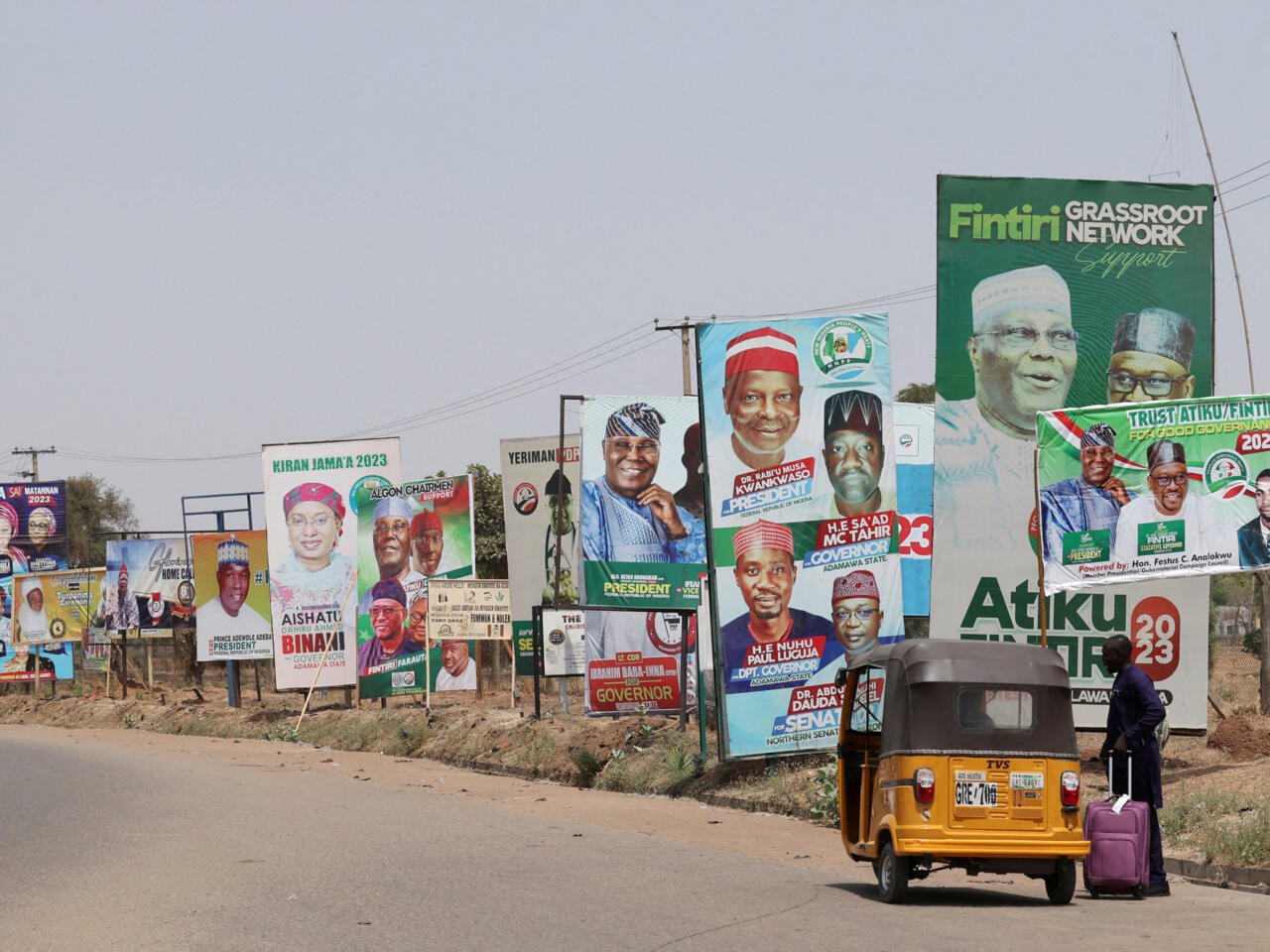
For decades, political parties relied heavily on town hall meetings, roadside rallies, posters, billboards and door-to-door mobilization to reach voters. Supporters were transported to campaign grounds, musicians entertained crowds, and party loyalists distributed branded items such as caps, T-shirts and banners.
However, the rapid growth of social media platforms and smartphone use has significantly changed how politicians connect with voters.

Today, many politicians and political groups are investing heavily in digital strategies that include sponsored online campaigns, influencer partnerships and coordinated messaging across platforms such as Facebook, X (Twitter), Instagram and TikTok.
Political analysts say the shift accelerated during recent election cycles, particularly around the campaigns leading to the 2023 Nigerian general election, when online debates, hashtags and viral content became central to shaping public opinion.
A notable feature of the new digital political strategy is the sponsorship of individuals and groups to promote candidates online.
These sponsored campaigners, often referred to informally as “digital mobilizers” or “online influencers,” are paid to create posts, share campaign materials, defend candidates and attack political opponents across multiple platforms.
In some cases, organized teams manage dozens of social media accounts to push specific narratives, amplify campaign messages and influence trending discussions.
“These online teams work almost like digital campaign offices,” said a political communication analyst in Abuja. “They coordinate hashtags, respond to criticism and try to dominate conversations online.”
While physical rallies and grassroots outreach remain important, observers say they are no longer the only or even the primary campaign tools. Many politicians now see social media as faster, cheaper and more effective for reaching millions of voters, especially young people.
Read also:
- Fresh doubts over Fubara’s grip on Rivers politics after defection
- Kano politics heats up as NNPP Says Governor Yusuf needs no approval from Kwankwaso to join APC
- How to reposition resource politics in Africa by scholars
Nigeria’s large youth population and increasing internet penetration have made digital platforms powerful political spaces where debates, endorsements and criticism unfold in real time.
The shift to online campaigning has also raised concerns about misinformation, propaganda and coordinated attacks on political opponents. Critics argue that the sponsorship of online supporters can blur the line between genuine public opinion and paid political messaging.
Nevertheless, digital campaigning is expected to continue expanding as politicians adapt to evolving communication trends and voter behaviour.
Analysts say the future of elections in Nigeria will likely involve a combination of traditional grassroots mobilization and sophisticated social media operations, making online influence a decisive factor in political competition.