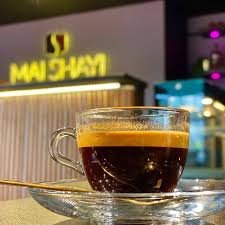
In the heart of Nigeria’s evolving agricultural landscape, one brand is quietly but boldly transforming the narrative around coffee production: Mai Shayi Coffee Roasters. Founded in 2019 by visionary entrepreneur Ibrahim Samande, this Lagos-headquartered company—drawing its name from the Hausa term for a traditional tea maker—has expanded far beyond serving cups of joe. It now controls an integrated value chain that positions Nigerian Arabica as a serious contender on the global stage.
Nigeria has long been known more for robusta coffee in southern regions, with limited commercial Arabica output historically confined to highland areas like Taraba and parts of Plateau State. Yields have remained low, infrastructure sparse, and quality inconsistent, keeping the country’s coffee sector on the margins of international markets. Enter Mai Shayi Coffee, which is challenging these realities head-on through vertical integration, innovation, and a commitment to excellence.

At the core of this transformation is their 30-hectare Arabica farm on the Jos Plateau, leveraging the region’s favorable altitude, fertile volcanic soil, and cool climate to cultivate high-quality beans—often described in their branding as Nigerian Blue Mountain style. This isn’t small-scale experimentation; it’s a deliberate push to revive and upscale Arabica production in a country where such efforts have been rare.
Read Also:
- Cross River hosts Cocoa, Coffee investors’ roundtable
- Cross River woos Dutch Investment in Agriculture, pledges support for forest conservation
- ThinkBusiness Africa challenges CAPPA’s proposed sugar-tax Increase in Nigeria
What truly sets Mai Shayi apart is their ownership of the entire journey “from seed to cup”. In a groundbreaking move, they established Nigeria’s first dedicated coffee processing plant, featuring a custom-built facility capable of handling 100 tons per week through advanced wet and dry milling processes. This infrastructure addresses longstanding bottlenecks: poor post-harvest handling that often degrades quality and limits export potential. By controlling processing, Mai Shayi ensures precision at every step—protecting bean integrity, enhancing flavor profiles, and enabling consistent specialty-grade output.
From the farm, beans move to their commercial roastery, where roasting profiles are “engineered, not guessed,” using state-of-the-art equipment (including partnerships with brands like Nuova Simonelli and Victoria Arduino). The result? Single-origin offerings and blends that highlight Nigeria’s unique terroir—notes of honey, fruit, and clarity that stand up to global benchmarks.
This production prowess feeds directly into their premium cafés in Abuja (including a stunning 100-seater flagship in Asokoro at 1 Margaret Thatcher Close) and Lagos (Podium Floor, Sapetro Towers, Victoria Island). These spaces blend specialty coffee culture with Nigerian heritage—think pour-overs, Chemex, AeroPress, and siphon brewing alongside Hausa-inspired dishes like Masa Da Miyan Taushe, creating a cultural fusion that redefines the coffee experience in urban Nigeria.
Mai Shayi isn’t just building a business; it’s fostering systemic change. Their model creates jobs in rural Jos, empowers local farmers through better practices and fair compensation, invests in community infrastructure, and promotes tissue culture propagation for elite varieties. High-profile visits—from General TY Danjuma to Plateau State Governor Barr. Caleb Mutfwang—shows growing recognition of their vision.
As one of their recent statements declares: “Nigerian Arabica rising to claim its place on the global stage.” In a nation where coffee consumption is booming yet largely reliant on imports, Mai Shayi Coffee Roasters is proving that homegrown excellence is possible. They’re not following trends—they’re setting a new standard for what African coffee can achieve, one meticulously processed bean at a time.
For those eager to taste the revolution, visit their cafés in Abuja or Lagos. In every cup lies not just flavor, but a story of devotion, innovation, and national pride.