The Taraba Human Rights International Film Festival (TAHRIFF) has raised an urgent humanitarian alert following violent clashes between the Shomo/Karnjo and Wurkun communities in Karim Lamido Local Government Area of Taraba State.
The conflict has left thousands of residents displaced and several communities severely affected.

In a statement released to journalists on Wednesday, TAHRIFF’s Executive and Festival Director, Moses Samuel, reported that homes, farmlands, and personal property were destroyed, forcing families to flee with little or nothing.
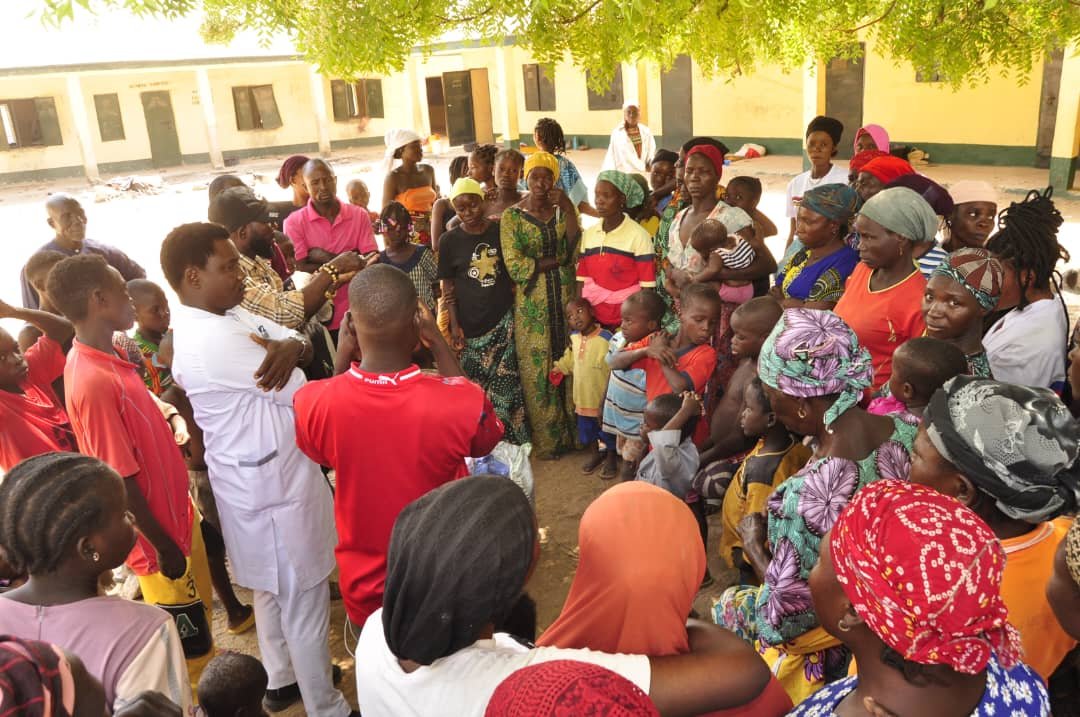
“Current field reports indicate that over 1,000 people, including women, children, infants, and the elderly, have been displaced,” Samuel said.
Displaced residents are reportedly taking refuge in makeshift shelters, including UBE Primary School, Mutum Daya; Kwanchi Community Secondary School, Mutum Daya; Bangai Primary School, Bambur; Assembly of God Church, Mutum Daya, and General Hospital Quarters, Bambur.
Read Also:
- Crisis brews in Taraba State communities over plans to upgrade villages, create additional districts
- Governor Kefas unveils infrastructure plan after statewide listening tour in Taraba
- Nigerian Army arrests four ambazonia rebel suspects in Taraba State
“The humanitarian conditions in these shelters are dire and rapidly deteriorating,” Samuel added.
“Families face acute shortages of food, clothing, bedding, and necessities, with many sleeping on bare floors and exposed to harsh weather and health risks.
“There is an urgent need for mattresses, mosquito nets, blankets, food items, clean water, and medical supplies, particularly for families with babies and young children,” he said.
TAHRIFF identified the affected communities as Morog Yinli, Yolde Motawo, Sarkin Kudu, Minge, Salaksan, Balasa Karim, Manaru, Pira, Usmanu, Wakka, and Kodde.
The organization commended the Safe Community and Development Initiative (SACDI) for stepping in to provide relief materials and support to some displaced families, describing the intervention as a demonstration of the critical role community-based organizations can play in responding swiftly to humanitarian emergencies.
However, Samuel warned that the scale of displacement and suffering far exceeds the capacity of any single organization.
He called on the Taraba State government, emergency response agencies, humanitarian organisations, faith-based groups, corporate organisations, and well-meaning individuals to provide food, clothing, beddings, mosquito nets, medical supplies, and financial assistance to the displaced persons.
Beyond immediate relief, TAHRIFF stressed the need for peace-building, trauma support, and long-term recovery initiatives to help displaced families rebuild their lives and return safely to their communities.
“This is a humanitarian emergency that demands immediate and collective action. The lives, dignity, and future of hundreds of families depend on how swiftly support is mobilized,” Samuel said.