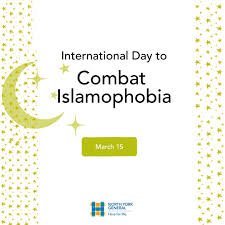
The International Day to Combat Islamophobia was marked with renewed calls for tolerance and inclusion, as the Muslim Public Affairs Centre (MPAC) urged Nigerians to confront rising anti-Muslim prejudice and strengthen efforts toward interfaith harmony.
In a statement issued on weekend, the Executive Chairman of MPAC, Disu Kamor, said the organization stands in solidarity with Muslims across the world who face institutional discrimination, socio-economic exclusion, and unwarranted surveillance.

Kamor noted that in Nigeria, Islamophobia is becoming an increasing concern, often framed under narratives of national security or ethnic tension. According to him, such prejudice represents a broader societal challenge that threatens peaceful coexistence and national unity.
“We must recognize Islamophobia as a societal ill that undermines internal peace and mutual trust among citizens,” the statement said.
Read Also:
- Fight to rename Adamawa to Gongola or forget our votes, indigenous ethnic groups tell guber aspirants
- Indigenous ethnic groups in Adamawa accuse military government of creating state to favour minority group
- UN rates Nigeria among top nations in recruitment of child soldiers by armed groups
The group called on Nigerians to reject hate speech, stereotypes, and profiling, while promoting greater interfaith understanding, respect, and inclusivity in public discourse and institutions.
MPAC also urged government authorities and policymakers to strengthen legal protections against hate crimes, enforce anti-discrimination laws, and ensure fair representation of all religious groups in public life.
The organization further appealed to media institutions to maintain responsible reporting and avoid narratives that reinforce harmful stereotypes about Muslim communities.
It encouraged educational institutions to promote inclusive curricula and create safe environments that support students from diverse religious and cultural backgrounds.
Addressing citizens of all faiths, Kamor urged Nigerians to challenge bigotry wherever it appears—whether online, in everyday conversations, or within institutional practices.
He also called on Muslim communities to continue strengthening civic engagement and resilience while amplifying narratives that highlight the diversity and contributions of Muslims to Nigerian society.
“Prejudice is a societal illness that harms everyone. Islamophobia erodes trust, fuels division, and threatens national unity,” he said, stressing that combating it requires sustained education, courageous leadership, and active solidarity across communities.
MPAC emphasized the need for genuine interfaith engagement as a long-term strategy to counter discrimination and build stronger social cohesion.
The organization urged Nigerians to “build bridges, not walls,” and work toward a country where every citizen can live with dignity, equality, and mutual respect regardless of faith.