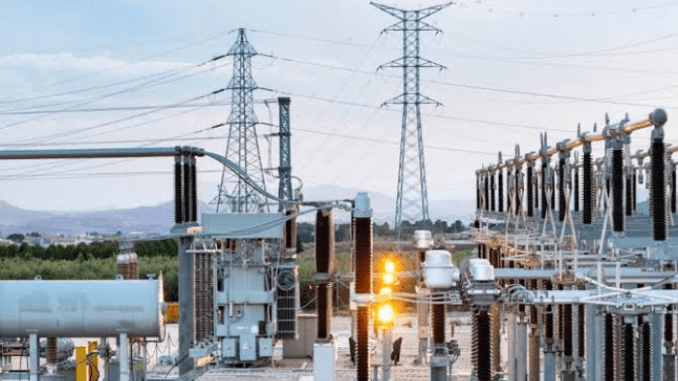
The Federal Government of Nigeria has unveiled a fresh timeline aimed at improving electricity supply nationwide, as millions of citizens continue to endure extreme heat and prolonged power outages.
The announcement, made on Thursday, comes at a time of rising public concern over erratic electricity and the increasing cost of alternative energy sources, including fuel and generators. Households and businesses alike have struggled to cope with the combined pressure of unreliable power and harsh weather conditions.

Government officials said the new plan is focused on stabilising the national grid, reducing system collapses, and ensuring more consistent electricity distribution across both urban centres and rural communities. While no exact completion date was given, authorities assured that implementation would be closely monitored, with periodic updates expected.
The development is seen as a critical response to the growing strain on key sectors of the economy. Small businesses, hospitals, and educational institutions have faced operational setbacks due to inconsistent power supply, often relying on expensive alternatives to remain functional.
Read also:
- Nigeria’s capital importation surges 88% to $23.2bn in 2025 – NBS Report
- Mixed reactions trail dismissal of soldier after viral appeal to politicians
- How road project set to boost economy, access in rural Taraba
Energy analysts warn that continued instability in the power sector could weaken economic output, drive up production costs, and deepen public frustration. They note that past reform efforts have often been undermined by poor execution, inadequate infrastructure, and weak regulatory oversight.
Despite these concerns, the latest announcement has sparked cautious optimism among Nigerians, many of whom view it as a possible turning point if properly implemented. Experts, however, insist that long-term improvement will depend on sustained investment, maintenance of infrastructure, and greater accountability within the power sector.
As temperatures continue to rise and electricity demand surges, attention remains firmly on the government’s ability to translate its renewed commitment into measurable and lasting results.