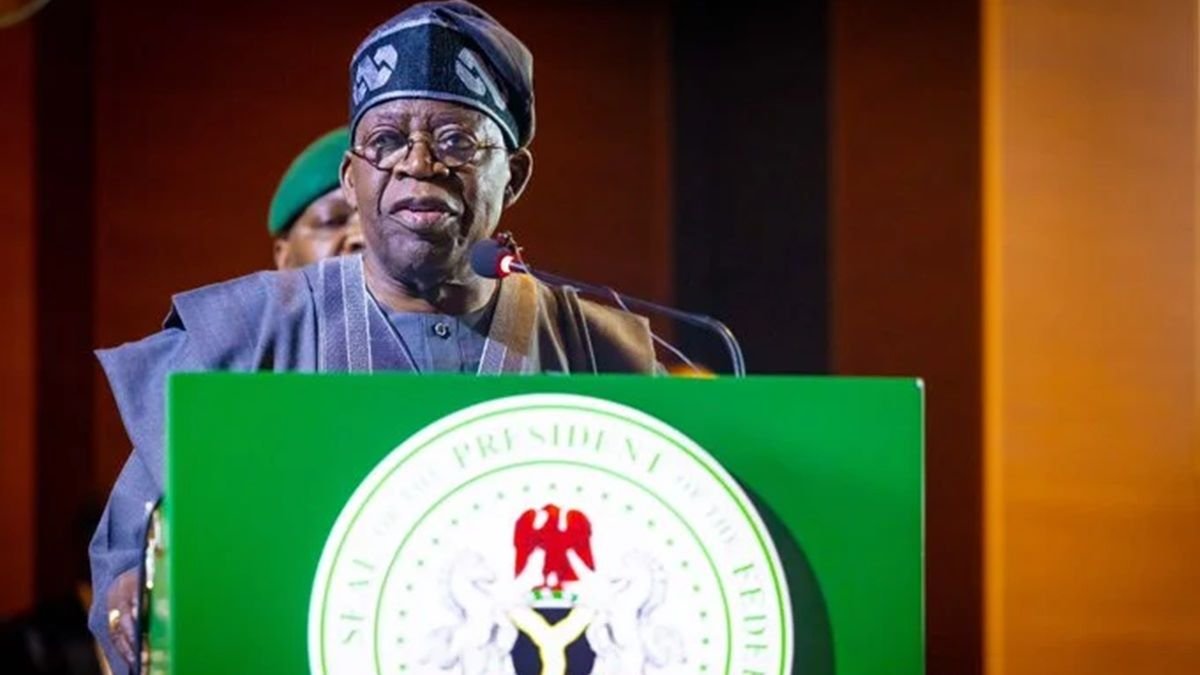
The federal government has accessed $552 million under the HOPE for Quality Basic Education for All (HOPE-EDU) programme to accelerate reforms in Nigeria’s basic education system, in what officials describe as the quickest mobilisation of education financing at that scale in the country’s history.
The funds, obtained through the Federal Ministry of Education, are intended to improve foundational learning, widen access to quality basic education, and strengthen accountability frameworks in participating states.

Minister of Education, Tunji Alausa, said the achievement underscores the administration’s resolve to reposition education as a key driver of national development under Bola Ahmed Tinubu.
The disclosure was contained in a statement issued on Tuesday, March 3, by the ministry’s Director of Press and Public Relations, Boriowo Folasade.
Read Also:
- FG approves ₦48bn upgrade for engineering, technology facilities in 12 universities
- FG commenced implementation of direct transfer of oil revenues into federation account
- FG blames delay in February salary payment on technical glitch
“The unlocking of the $552 million HOPE-EDU funding in just 12 months represents the fastest activation of education financing of this scale in our history.
“It reflects clarity of vision, strong intergovernmental coordination, and our unwavering commitment to delivering measurable results for Nigerian children,” the minister stated.
He asserted that the Tinubu administration, by securing the funding, is demonstrating that reform can be decisive, accountable, and impactful.
The minister assured that the resources will directly strengthen foundational learning, expand access, and reinforce system-wide accountability across participating states.
The HOPE-EDU initiative is jointly financed by the World Bank and the Global Partnership for Education.
It operates as a results-based programme designed to improve learning outcomes, promote equitable access, and enhance institutional capacity at the state level.
The announcement comes amid increased government spending on education.
According to the ministry, federal allocations to the sector have grown by more than 302 percent since 2022.
For the 2026 fiscal year, the government allocated ₦3.520 trillion to education, the largest budgetary provision for the sector to date, while also encouraging greater financial commitments from state governments to support local priorities and targeted interventions.
The ministry reiterated its commitment to ensuring that the resources are effectively utilised to deliver tangible learning outcomes and support Nigeria’s long-term ambition of building a knowledge-based economy.