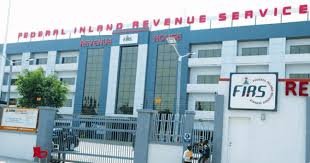
Nigeria is heading into a new era of tax administration as the Federal Government confirmed the replacement of the Federal Inland Revenue Service with the Nigeria Revenue Service. The change forms the centrepiece of a broad tax reform that will take effect on 1 January 2026, requiring both individuals and corporate taxpayers to adjust to new procedures designed to modernise the system and close long-standing loopholes.
A key feature of the reform is the shift to a fully digital revenue payment structure. Beginning in 2026, citizens will no longer be able to make cash payments for federal services such as passport applications, licences and regulatory charges. Government officials say the transition to digital platforms will strengthen accountability and reduce losses caused by manual processing.
Trade is also expected to move more efficiently as the National Single Window for Customs and cross-border transactions becomes operational in the first quarter of 2026. The platform is designed to ease import and export processes, cut waiting times and support businesses that rely on international supply chains.
Early 2026 will bring further digital advances with the launch of the Digital Public Infrastructure and the Nigerian Data Exchange. These systems will improve coordination among government agencies, support e-government services and help streamline public service delivery.
Read also:
- Group unveils tax volunteer scheme to deepen literacy, compliance
- SSB Tax: Combating manufacturers’ lies, disregard for public health
- Health for all: SSB taxes toward improved healthcare access
The 2026 federal budget has been framed to reflect revenue constraints. The government has ordered that 70 percent of the 2025 capital budget be rolled over, allowing resources to be concentrated on the completion of key projects in security, infrastructure and social services rather than starting new ones.
In addition, a new Revenue Optimisation Platform will be deployed to centralise and monitor federal revenue across all ministries and agencies. Working alongside the Treasury Single Account and existing financial systems, the platform is intended to block leakages and improve transparency in public finance.