A prosecution witness in the trial of former Central Bank of Nigeria Governor, Godwin Ifeanyi Emefiele, has told the court that the 2022 naira redesign exercise violated provisions of the CBN Act.
The witness, Chinedu Eneanya, who appeared as the Seventh Prosecution Witness (PW7), gave the testimony on Wednesday before Justice Maryanne Anineh of the Federal Capital Territory High Court, Maitama, Abuja.

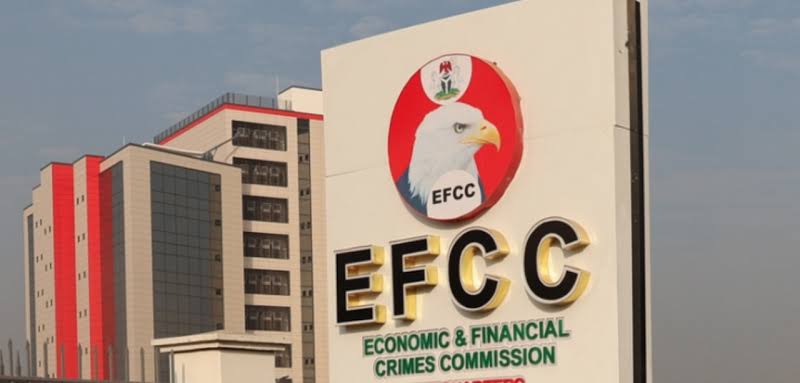
Emefiele is being prosecuted by the Economic and Financial Crimes Commission (EFCC) on a four-count charge related to the alleged unlawful printing of redesigned naira notes.
During cross-examination by defence counsel, Olalekan Ojo, SAN, the witness stated that investigations showed the former CBN governor did not comply with the requirements of the CBN Act, 2007. He explained that the law mandates the CBN Board to make recommendations before any currency redesign is undertaken.
Eneanya told the court that the defendant presented three sample designs for the N1000, N500, and N200 notes, which were subsequently approved by former President Muhammadu Buhari.
“The president approved the design and directed that production be carried out locally. However, investigation revealed that the final output differed from the approved design,” the witness said.
Read also:
- CBN: N4.69 Trillion outstanding limits new financial interventions as 33 Banks meet recapitalisation target
- EFCC boss commends UNODC’s initiative on anti-corruption, illicit financial flows
- EFCC re-arraigns Nadabo Energy boss over alleged N1.4bn Oil subsidy fraud
He further disclosed that the original design of Nigeria’s currency was handled by De La Rue.
On the investigation process, the witness noted that while members of the CBN Board were not directly invited, the EFCC obtained a statement from an official in charge of the bank’s Corporate Secretariat.
Earlier in the proceedings, Eneanya identified Exhibit N1 as the statement made by Ahmed Aliyu, Managing Director of the Nigeria Security Printing and Minting Company (NSPMC).
He confirmed that the redesigned naira notes had already been printed locally before the investigation commenced and that the CBN made payments to the NSPMC for the production.
Under re-examination, prosecution counsel Abbas Mohammed sought clarification on whether the presidential directive covered the design or production process. The witness maintained that the redesign had been completed and presented to the president for approval, which was granted.
Justice Anineh adjourned the case to May 11, 2026, for continuation of trial.