A total of 1,459 cancer cases were diagnosed in Cross River State between 2018 and 2022.
Out of this, 475 cases representing 32.6% were males while 984 (67.4%) were females

Director of the Calabar Cancer Registry, Prof. Ima-Obong Ekanem, disclosed this while presenting a report on five years cancer incidence in the state between 2018-2022.
It was during a two- day capacity workshop for cancer registrars in Nigeria organised by the National Institute for Cancer Research and Treatment in collaboration with the Linkwell Dynamic Concept, at the University of Calabar Teaching Hospital (UCTH).
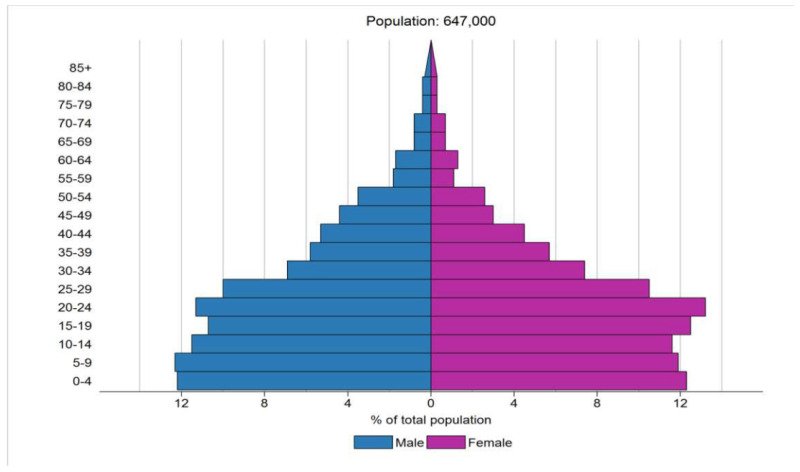
Prof. Ekanem said the report covers only three out of the 18 local government areas of the state stating further that the total of this is exclusively for malignant cases as benign and tumours of unknown origins are excluded in consonance with the international standard practice in reporting of cases.
According to her, the ratio of male to female is 1:2 with the average number of cases registered per year being 292, which represents an increase of 51% from previous years (2009-2013).
Read Also:
- Magistrates in Cross River commence indefinite strike
- Police recover 2 missing minors in Cross River
- Drug Abuse: 23-year-old allegedly kills Father in Cross River Community
Giving a further analysis of the top 10 most common cancers during the period under review, Prof. Ekanem, who is also chief consultant pathologist in UCTH said in men, prostate is the leading cancer with 149 new cases representing 33.4% of total male cases.
In women, she said breast cancer is the leading cancer with 397 new cases while for children, she said out of the 90 cases recorded during the period under review, retinoblastomas were the most frequent cancers followed by lymphoma
To avoid cancer and stay healthy, she said one must eat healthy diet rich in fresh fruits and vegetables, exercise regularly, avoid tobacco, excess alcohol intake, sexual promiscuity, low dietary intake of sugar and salt and skin bleaching.
She advised men over 40 years to have annual medical examination of their prostate and women to examine their breast monthly and have PAP smear HPV, DNA test to check their cervix.
According to her, early detection through screening programmes can lead to early diagnosis.
However, she said such screenings are not affordable for most women, explaining that “for these detection programmes to be effective, a strong healthcare system must be in place to provide equity of access to diagnosis, treatment and palliative care for all cancer patients.”
Speaking while declaring the training open, the Director General of NICRAT, Prof. Usman Aliyu, disclosed that the training was targeted at enhancing the capacity of cancer registrars and data managers in order to improve the quality, accuracy and completeness of cancer registration in the 19 states of northern Nigeria.
Represented by a research officer and Cancer Registrar at the Nigerian Oncology Research Alliance (NORA) and African Cancer Registry Network (AFCRN), Bashir Mustapha, the director general charged participants at the training to take advantage of the capacity building to improve their knowledge on how to gather reliable cancer data for decision making in Nigeria.