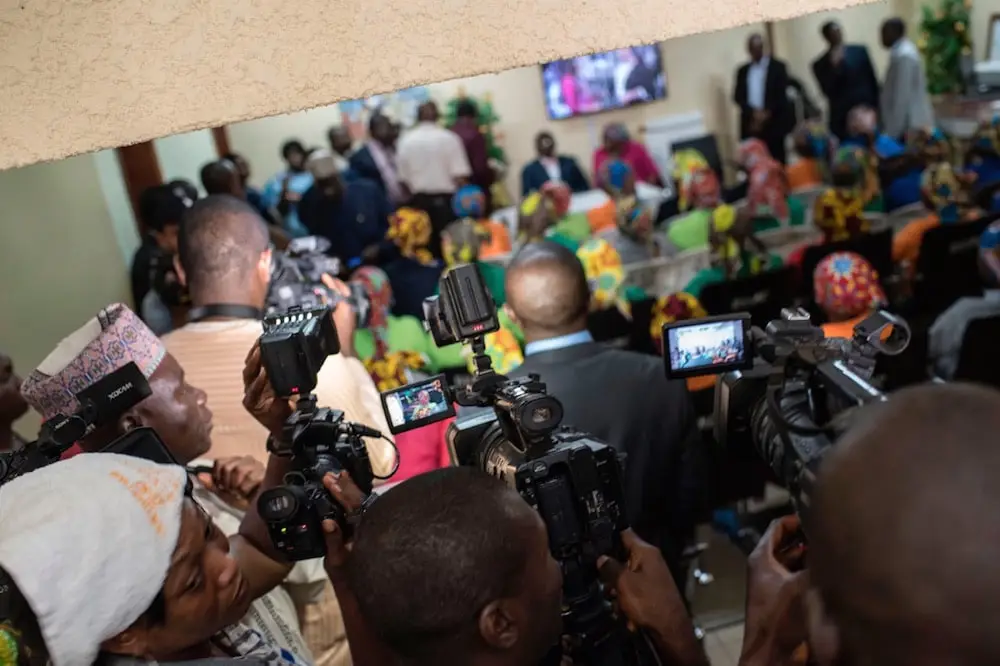
Kaduna-based journalists drawn from various media organizations have concluded a two-day training on ethical reportage of gender-based violence and sexual and reproductive health and rights, with emphasis on survivor safety, trauma sensitivity, and accountability in storytelling.
The workshop, held from December 5 to 6, 2025, was designed to equip reporters with the tools to raise awareness on the two issues without inadvertently inflicting further psychological harm on survivors, especially women and girls who remain the most vulnerable across Nigeria.
Organized by the International Society for Media in Public Health (ISMPH) with support from the United Nations Population Fund (UNFPA), the programme frames journalists as frontline actors in shaping public perception, driving advocacy, and dismantling harmful cultural norms that enable abuse.

Coming in the midst of the global 16 Days of Activism Against Gender-Based Violence, the initiative reinforces media responsibility in amplifying survivor voices, demanding accountability, and challenging entrenched silence around abuse.
In a virtual address, ISMPH Executive Director, Mrs. Moji Makanjuola, said Nigerian journalists must be deliberate in spotlighting uncomfortable truths that have long been ignored or normalized.
She warned that harmful framing, sensationalism, and identity exposure continue to retraumatize survivors, noting that ethical and humane reporting can instead break cycles of fear, stigma, and silence.
“Journalists must challenge stereotypes, interrogate systems that enable abuse, and communicate in local languages to reach communities where harmful practices still thrive,” she said.
UNFPA representative, Dr. Elvis Evborein, described GBV perpetrators as “formidable forces,” urging journalists to become “equally formidable partners” in exposing injustice and shielding survivors.
He noted that abusers often hold economic, cultural, and psychological power that traps victims in silence, stressing that strengthened media reporting makes it increasingly difficult for perpetrators to hide behind culture, religion, or silence.
Read also:
- WACOL launches digital Podcast to break silence, tackle GBV nationwide
- Tragic as lady commits suicide in protest to forced marriage by father
- Body calls for submissions of advocacy projects on environment
“This training arms journalists with trauma-informed tools, deeper understanding of SRHR, and sharper lenses to identify systemic drivers of violence,” he said.
Sessions covered ethical interviewing, trauma sensitivity, debunking misinformation, and identifying red flags often overlooked in mainstream reporting.
Participants acknowledged that the training filled a long-standing professional gap and would enable them to produce survivor-centered stories that push for prevention, policy response, and institutional accountability.
Organizers maintained that improved media coverage will trigger far-reaching effects: heightened public awareness, stronger institutional response, and increased pressure on policymakers to confront GBV with urgency rather than rhetoric.
They added that the collaboration reflects UNFPA and ISMPH’s ongoing commitment to a media environment that not only reports abuse but actively contributes to ending it and safeguarding the rights of women and girls in Kaduna and across Nigeria.