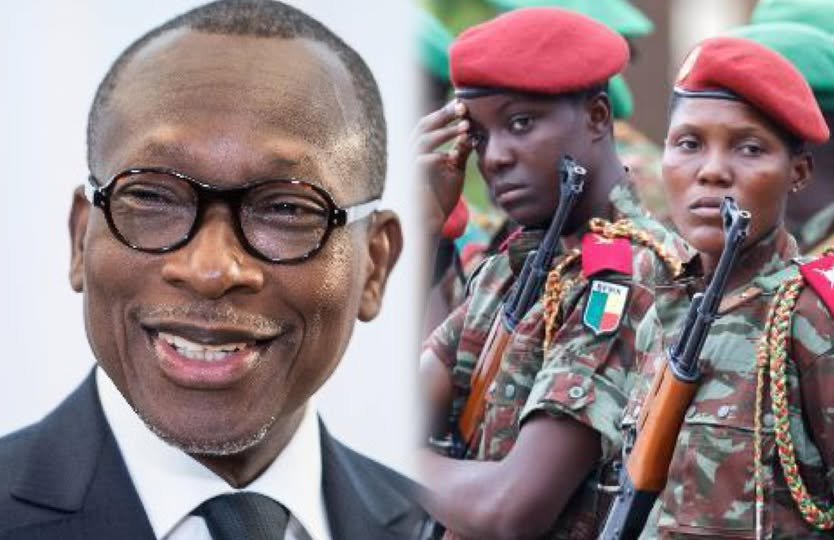
Benin has regained full control after a failed coup attempt led by Lieutenant Colonel Pascal Tigri, whose group of mutinous soldiers briefly seized the state broadcaster in the early hours of Sunday. Defense and security forces moved quickly to retake key installations, and officials now say the situation is stable while Tigri remains on the run.
The takeover began before dawn when about eight soldiers stormed the headquarters of the national broadcaster, SRTB, in Cotonou. They interrupted programming to announce the removal of President Patrice Talon and identified themselves as the Military Committee for Refoundation. They declared the suspension of the constitution, the dissolution of state institutions and the closure of all borders. Tigri presented himself as the head of a transitional authority and claimed the move was driven by complaints about economic hardship, insecurity in the north and alleged abuses by the government.
Reports of gunfire were heard near the presidential residence in Porto-Novo and around the port area. Helicopters circled parts of Cotonou while journalists at the broadcaster were held against their will. With memories of recent military takeovers in Niger, Burkina Faso, Mali and Guinea-Bissau still fresh, fear spread quickly. The French Embassy advised its citizens to remain indoors and social media was filled with unverified footage showing armed soldiers inside the station.

The mutiny collapsed within hours. Loyalist troops retook the broadcaster by mid-morning. Government officials issued statements confirming that President Talon was safe, with early reports placing him at the French Embassy. Interior Minister Alassane Seidou addressed the nation from the recovered SRTB studios and described the plot as an attempt by a small faction to destabilise the state. He said the armed forces remained loyal to their oath and acted quickly to protect Benin. He urged citizens to continue their daily activities without fear.
Foreign Minister Shegun Adjadi Bakari had earlier told Reuters that the coup attempt was under control. Finance Minister Romuald Wadagni said the mutineers were being tracked down and that several had already been arrested. Military sources confirmed that about thirteen suspects, mostly active soldiers with one former serviceman among them, were in custody. Colonel Tigri remains at large, prompting a nationwide search.
Read also:
- Coup in Benin as Soldiers attack Talon’s residence, seize State Broadcasting Service
- Couple, two suspected carjackers killed in auto crash after failed hijack attempt in Abuja
- Burna Boy faces mounting backlash as U.S. tour stumbles amid fan outrage, low attendance, canceled shows
The attempted overthrow comes at a tense moment for a country often praised for democratic stability since its return to civil rule in 1991. President Talon has faced growing criticism after constitutional changes that extended the presidential term to seven years and limited the number of candidates cleared to run in the April 2026 election. Only Wadagni and former Culture Minister Paul Unkpe were approved by the Constitutional Court. Analysts say this has fuelled claims of political exclusion at a time when economic pressure and the threat of jihadist activity along the northern border have placed added strain on the government.
The response from regional and international partners was immediate. ECOWAS condemned the plot and expressed support for Benin’s institutions. Nigeria’s presidency urged calm and described the mutineers as fugitives. The African Union also issued a strong denunciation, calling the attempt an attack on democratic order.
By evening, Cotonou began to return to normal. Markets reopened and traffic picked up along the coastal roads, though many residents remained cautious after the morning’s violence. Questions now focus on whether Tigri acted alone and whether the episode reveals deeper unrest within the armed forces. For the moment, officials insist the attempt has been fully contained and that the republic stands firm.
President Talon has not yet spoken publicly, though aides say a formal address is expected. Until then, Seidou’s message to the nation remains the government’s position. The institutions of Benin continue to hold.