The people of Ekid Nation in Akwa Ibom State, under the umbrella of the Ekid Peoples Union (EPU), have commenced far-reaching reforms of traditional marriage and burial rites to ease the long-standing economic burden on intending couples and bereaved families.
The Chairman of the EPU Board of Trustees, Rt. Hon. Chief Nduese Essien, announced the reforms during the union’s Annual National Congress held over the weekend. He said the initiative is aimed at repositioning Ekid Nation from what he described as a “rudderless society” into a structured community driven by discipline, order, uninterrupted development and self-sustained growth.

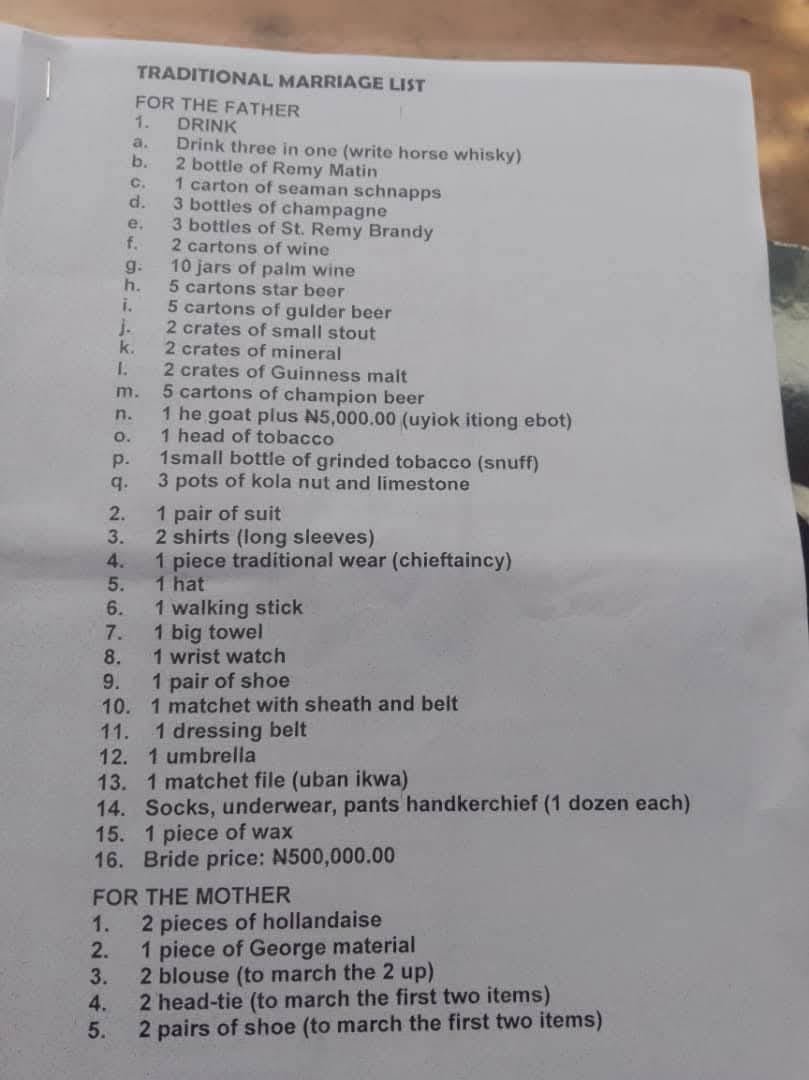
Essien, a former Minister of Lands and Urban Development, explained that a major focus of the reform agenda is the streamlining and standardisation of marriage and burial lists across Ekid land. He lamented that exorbitant marriage requirements in some communities have caused serious social dislocations, pushing many young men and women into single parenthood as they seek to fulfil their desire for children.
According to him, the high cost of traditional marriage has also forced many young adults to cohabit as husband and wife without performing marriage rites, a development he said has weakened family structures and eroded cultural values.
“These excessive demands have produced unpleasant and unacceptable repercussions for families and society at large,” Essien said. “To address these challenges, the EPU has agreed on reformed and standardised marriage and burial lists that promote modest spending in line with what families are naturally endowed with by God.”
He disclosed that from January 2026, the old practice of exorbitant marriage and burial demands would be abolished following the promulgation of the reformed lists. He urged families and communities to comply strictly with the new order, stressing that cultural rites should no longer serve as avenues for financial exploitation.
Read Also:
- Akwa Ibom Teachers decry nearly 5 years of unpaid promotion arrears, appeal to Governor Eno
- FG begins compensation payments for farmlands affected by Coastal Highway in Akwa Ibom
- NEMA distributes relief items to flood victims in Akwa Ibom
As part of efforts to curb expensive burial ceremonies, Essien announced the prohibition of the controversial practice known as the “Opening of Mourning House.”
Also speaking, the President-General of Afigh Iwaad Ekid, a leading socio-cultural youth organisation in Ekid Nation, Obongiwaad Captain Willie Mbong, commended the EPU for taking a bold step toward building a more responsible society. He said the reforms would encourage young men to marry early and end the distressing practice of families selling land and other valuable assets to bury their loved ones.
In his remarks, the Village Head of Afaha Odonen in Eket, Etteidung Paul Akpan Tom, said the EPU resolution has been passed into traditional law and must be strictly enforced. He added that copies of the resolution would be distributed to all village heads.
“Any community that allows the old burial practices to continue must be sanctioned. Our dead should be buried not more than two weeks after death,” he said, recalling that in earlier times, burial usually took place within three days.
Similarly, the Clan Head of Eket Offiong and Village Head of Abighe Asang in Esit Eket Local Government Area, Chief Etteudo Ikot, called for the criminalisation of the opening of mourning houses, insisting that the practice was alien to Ekid tradition.
The EPU clarified that although the reforms were announced on December 19, 2025, full implementation will commence in January 2026 to allow families and communities adequate time to adjust to the new dispensation.