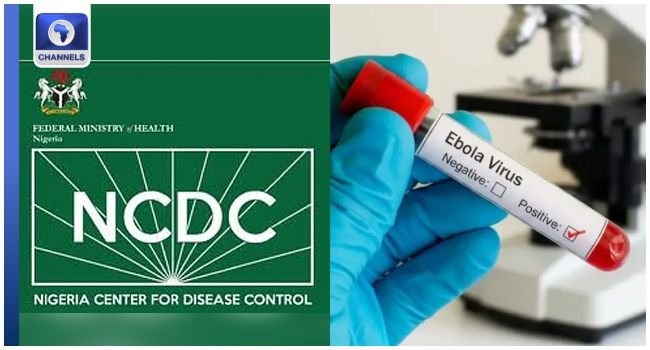
The Nigeria Centre for Disease Control and Prevention (NCDC) has intensified its Ebola surveillance efforts after identifying two suspected cases of the disease in the North-East region.
Key Highlights
- NCDC has identified two suspected Ebola cases in the North-East; both are in isolation.
- Laboratory tests are under way, and the agency says suspected cases are not confirmed infections.
- Contact identification and listing are ongoing.
- Primary contacts linked to Nigeria’s confirmed Bundibugyo strain case rose to 54 on October 26.
- Nigerians are urged to wash hands regularly and follow public health advisories.
The development comes amid ongoing efforts by health authorities to contain the recent Ebola outbreak in the country following the confirmation of Nigeria’s first case of the Bundibugyo strain in October.

The NCDC announced the discovery in a statement shared on its official X account on Saturday, October 31, 2026, noting that both individuals have been placed in isolation, while investigations continued.
According to the agency, contact identification and listing are ongoing, while laboratory tests are being conducted to determine whether the suspected cases are indeed Ebola infections.
The NCDC stressed that the identification of suspected cases should not be interpreted as confirmation of the disease, explaining that the final status of the individuals would depend on laboratory results.
The agency also urged Nigerians to remain vigilant and observe preventive measures, including regular handwashing, improved sanitation and compliance with public health advisories.
It assured the public that further updates would be provided as verified information becomes available.
Contact Tracing Continues
The latest development adds to concerns surrounding Nigeria’s Ebola response, particularly as health authorities are still monitoring individuals who may have been exposed to the previously confirmed case.
On October 26, NCDC Director-General, Dr. Jide Idris, disclosed that an e-hailing driver has been identified as another contact linked to the confirmed Ebola patient, bringing the number of primary contacts to 54.
Idris explained that efforts were still underway to identify secondary contacts, warning that the country could not relax its surveillance measures until all potentially exposed individuals had been identified and monitored.
He noted that the discharge or transfer of the index patient did not automatically mean the end of the public health threat, as contact tracing remained critical to preventing further transmission.
Read also:
- NCDC Identifies 2 More Suspected Ebola Cases, Tracks 53 Contacts
- WHO Declares Nigeria Ebola Free
- Ebola: NCDC Approves ₦100,000 Weekly Stipend For Contacts In Isolation
Nigeria’s First Bundibugyo Case
Nigeria recorded its first confirmed case of the Bundibugyo strain on October 20, 2026, after the federal government announced that a woman with a recent travel history to Uganda had tested positive.
The woman reportedly returned to Nigeria on October 7 with symptoms of the disease. However, Ugandan authorities subsequently denied reports of an Ebola outbreak in their country.
Following her diagnosis, the patient and her husband were flown to Switzerland.
The emergence of two additional suspected cases in the North-East has further highlighted the importance of surveillance, laboratory testing and contact tracing as Nigeria continues its efforts to prevent the spread of Ebola.
However, the NCDC has yet to confirm whether the two newly identified individuals tested positive for the disease.
For verified updates on this story, follow us on X.