Delta State has introduced bonding agreements for medical personnel undergoing government-funded training to ensure they remain in the state’s health system and contribute to healthcare delivery, the state hospitals management board has said.
Key Highlights
- Delta introduces bonding agreements for medical staff on government-funded training.
- Personnel who breach the agreements could face legal consequences.
- More than 60 resident doctors are in specialist residency training.
- 25 4D ultrasound machines distributed; CT, MRI and dialysis machines installed at Central Hospital, Warri.
- Dialysis now subsidised at N45,000 per session.
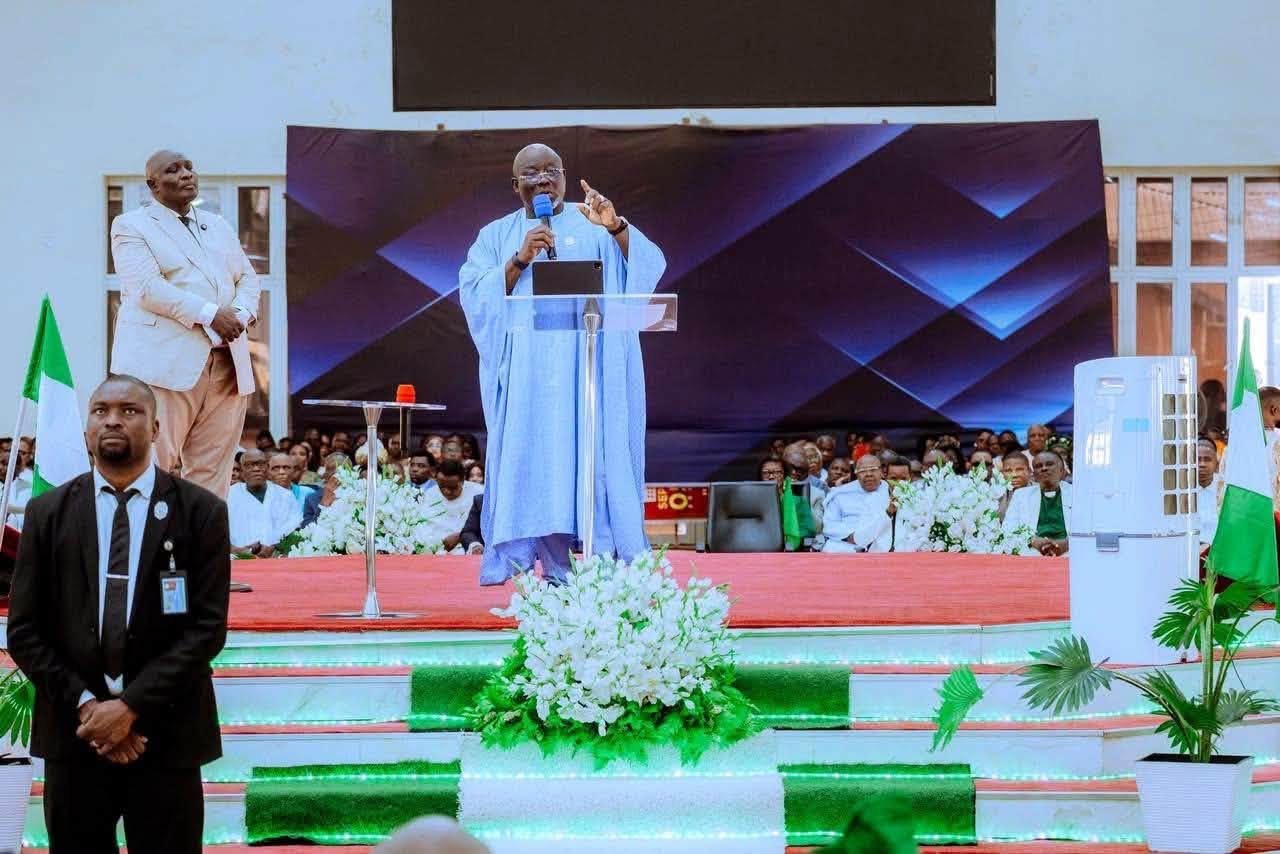
Chairman of the board, Dr. Paul Oweh, disclosed this on Wednesday, during a press briefing in Asaba, on the impact of Governor Sheriff Oborevwori’s administration on the state’s public hospitals.

He explained that the agreements were part of measures to prevent the loss of trained medical professionals to foreign countries immediately after benefiting from government investment in their education.
Oweh said the bonding arrangements vary according to the nature and level of investment in the training, adding that medical personnel who failed to fulfil their contractual obligations could face legal consequences.
Protecting Government Investment
He was responding to concerns about the possibility of trained doctors and other healthcare professionals migrating abroad in search of better opportunities after completing government-sponsored training.
The chairman explained that the government is determined to ensure that its investment in developing medical personnel translates into improved healthcare services for residents of the state.
He said the bonding agreements were designed to establish clear obligations between the government and beneficiaries of its training programmes.
According to him, the government expects trained personnel to fulfil the terms of their agreements rather than complete their training and immediately leave the country.
Oweh added that breaches of the agreements could be addressed through established legal procedures, stressing that the government had a responsibility to protect its investment in human capital development.
Workforce Development
The board also disclosed that more than 60 resident doctors were at various stages of residency training towards specialist qualifications, while nurses, pharmacists, medical records officers and medical laboratory scientists were receiving training to strengthen the healthcare workforce.
It said the state government had also maintained approval for the replacement of personnel who leave the service through retirement or migration, a measure intended to sustain staffing levels and ensure continuity of care across public hospitals.
The chairman linked the government’s investment in healthcare to the broader objective of ensuring that residents had access to quality medical services at affordable rates.
He urged the people to support the re-election of Governor Oborevwori, arguing that continued implementation of the administration’s policies would enable the state to build on the progress recorded in the health sector.
Oweh also called for the return of President Bola Tinubu to office, saying the president’s economic reforms were yielding dividends and contributing to the availability of funds for state governments to execute development projects.
He said the federal government is also addressing major national challenges, including insecurity, through initiatives such as the proposed state police legislation and economic recovery policies.
Read also:
- Oborevwori Approves 65-Year Retirement Age For Clinical Health Workers
- Asaba Specialist Hospital Seeks WACS Accreditation for Residency Training
- Governor Oborevwori Signs 13th Month Salary Bill, 4 Others Into Law
New Equipment, Hospital Projects
The board’s press briefing also highlighted investments in medical equipment, hospital infrastructure and access to healthcare across the 65 hospitals it manages in urban, rural and riverine communities.
The interventions include the distribution of 25 4D ultrasound scan machines to 25 hospitals, the installation of a CT scan machine and an MRI machine at Central Hospital, Warri, and the provision of three dialysis machines at the facility.
The board said the government subsidises dialysis treatment, allowing patients to access the procedure at N45,000.
It further listed ongoing hospital infrastructure projects, including the construction of a modern hospital complex at General Hospital, Orerokpe, renovation and completion of the Mother and Child building at the General Hospital, Ekpan, and construction of an Accident and Emergency Complex at Government Hospital, Ekpan.
The board said the combined investments in infrastructure, equipment and workforce development were intended to improve the quality of public healthcare and expand access to specialised medical services.
For more Delta news, follow us on X.