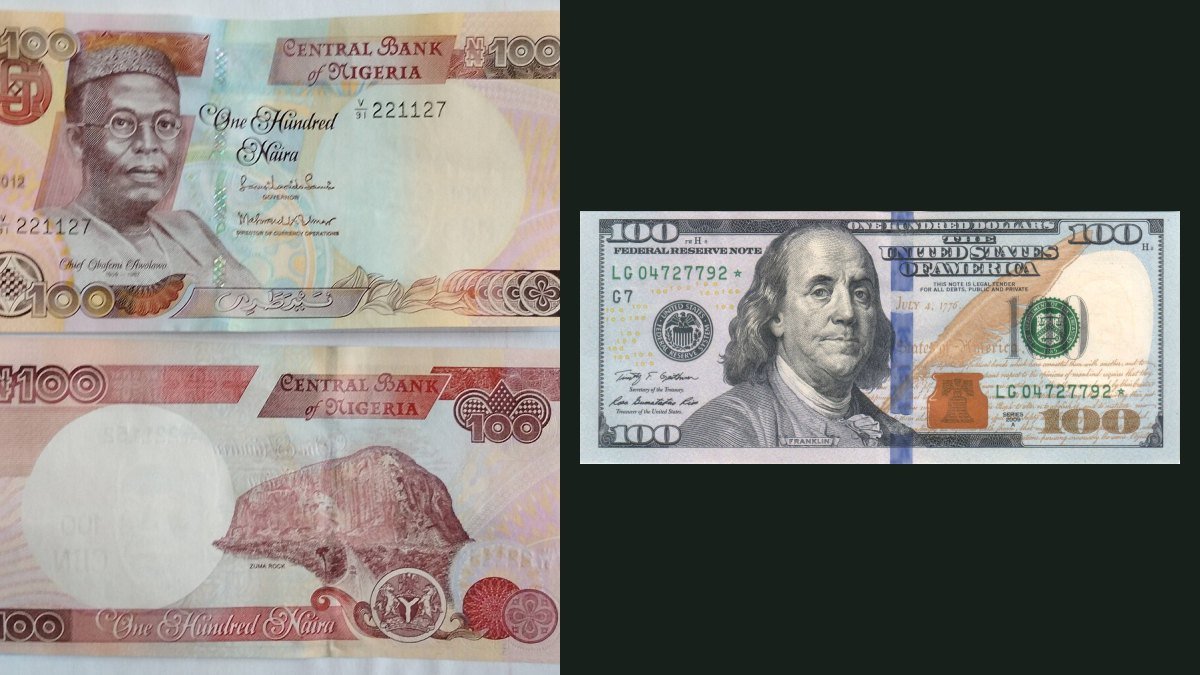
The United States dollar sold for ₦1,375 on Nigeria’s parallel foreign exchange market on Wednesday, October 14, 2026, while the latest available official rate stood at ₦1,332.47 per dollar.
Key Highlights
- Dollar sells for ₦1,375 and buys at ₦1,365 at the parallel market.
- Latest available official rate stands at ₦1,332.47 per dollar, as of Tuesday, October 13.
- $100 costs ₦137,500 at the parallel-market selling rate, compared with ₦133,247 at the official rate.
- $1,000 amounts to ₦1.375 million at the parallel market and about ₦1,332,470 officially.
- Buyers are advised to confirm prevailing rates with banks or licensed BDC operators before transacting.
At the parallel market, also known as the black market, bureau de change operators quoted the dollar at ₦1,365 for buying and ₦1,375 for selling, according to the latest available figures.

The official rate of ₦1,332.47 was reported as of Tuesday, October 13, and has not been independently confirmed as a live rate for Wednesday morning.
The difference between the two rates means customers purchasing dollars on the parallel market may pay more than the equivalent at the official foreign exchange window.
How Much Dollars Cost Today
Using the parallel-market selling rate of ₦1,375, $100 would cost ₦137,500, while $200 would require ₦275,000.
Similarly, purchasing $500 would cost approximately ₦687,500, while $1,000 would amount to ₦1.375 million.
At the latest available official rate of ₦1,332.47, $100 would be equivalent to ₦133,247, while $200 would amount to ₦266,494.
The equivalent of $500 at the official rate would be ₦666,235, while $1,000 would amount to approximately ₦1,332,470.
These figures are estimates based on the stated exchange rates. Actual transaction costs may vary depending on the dealer, location and applicable charges.
What Drives the Naira’s Exchange Rate
The naira’s exchange rate against the dollar is influenced by several factors, including foreign exchange supply and demand, crude oil earnings, capital inflows and monetary policy decisions.
Demand for foreign currency from importers, manufacturers, travellers and other businesses can also affect the exchange rate, particularly when dollar supply is limited.
Measures introduced by the Central Bank of Nigeria to manage foreign exchange liquidity and improve market operations may further influence the naira’s performance.
Read also:
- Official, Black Market Naira To Dollar Exchange Rate Today, October 13, 2026
- Nigeria Spends ₦7.7 Trillion on Debt Interest as Payments Exceed Revenue in H1 2026
- Nigeria Financial Sector Faces Triple Pressure as Insurers Raise ₦1.08 Trillion, CBN Cuts Rates
Nigerians planning to buy or sell dollars are advised to confirm the prevailing rates with their banks or licensed Bureau De Change operators before completing transactions, as quotations may change during the day.
For daily exchange rate updates and more business news, follow us on X.