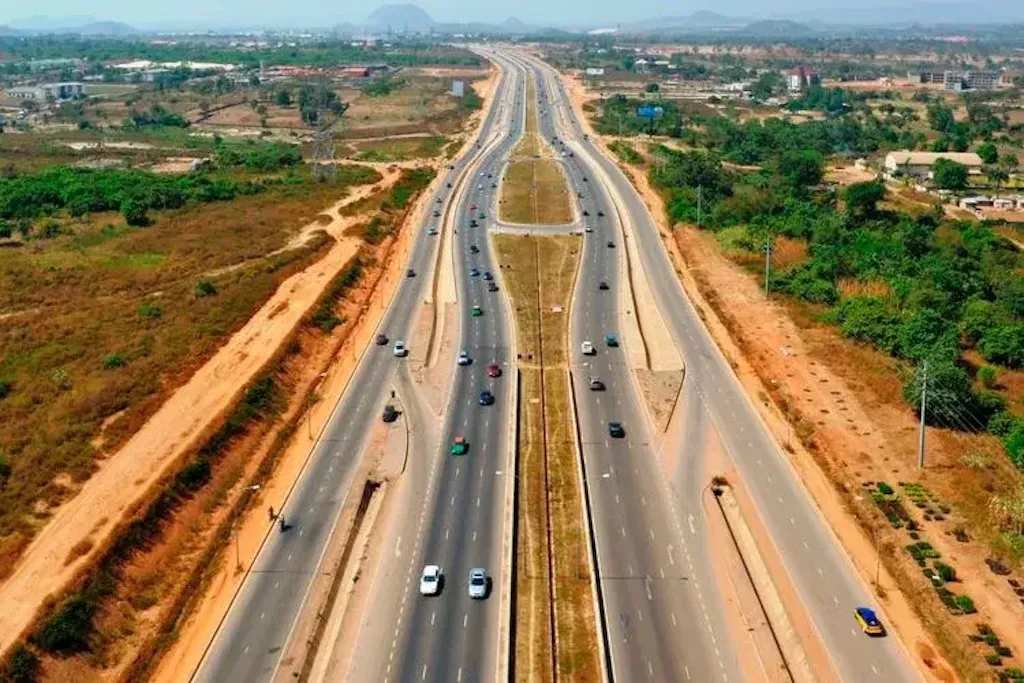
The Lagos-Calabar Coastal Highway’s reported inland realignment through Edo State has triggered opposition from Ondo’s Ilaje communities, lawyers and traditional leaders, who are demanding a review of the route and greater transparency from the Federal Government.
The planned route adjustment of the Lagos-Calabar Coastal Highway has sparked fresh controversy, with reports indicating that the highway will bypass a substantial stretch of Ondo State’s coastline after passing through Lagos and Ogun states. The proposed alignment reportedly moves inland through parts of Edo State before connecting towards Warri in Delta State, raising concerns about the economic future of coastal communities that expected to benefit from the project.

Key Highlights
- Ondo coastline at risk: The reported realignment could bypass much of the state’s approximately 80 to 100-kilometre coastline.
- Ilaje communities protest: Stakeholders fear the route change will limit access to fishing settlements, oil-producing communities, tourism sites and other economic opportunities.
- Federal Government cites engineering challenges: Minister of Works David Umahi has pointed to difficult terrain, deep peat deposits and the high cost of constructing along the original coastal route.
- Calls for presidential intervention: Lawyers, traditional rulers and community groups want the Federal Government to review the alignment and disclose the engineering assessments behind the decision.
- East-West Road alternative: Reports indicate that the existing East-West Road will serve as part of the corridor, with proposed elevation works to address flooding in vulnerable sections.
Lagos-Calabar Coastal Highway: Background of the Project
The Lagos-Calabar Coastal Highway is a major federal infrastructure project designed to connect Victoria Island in Lagos to Calabar in Cross River State. The approximately 700 to 750-kilometre highway is intended to pass through nine states: Lagos, Ogun, Ondo, Edo, Delta, Bayelsa, Rivers, Akwa Ibom and Cross River.
Although the concept of a coastal highway predates the current administration, President Bola Ahmed Tinubu’s government launched the project in March 2024 as part of its infrastructure development programme.
The highway is expected to improve transportation, facilitate trade, support tourism, strengthen logistics networks and encourage investment across Nigeria’s southern corridor. Its construction has been awarded to Hitech Construction under an engineering, procurement, construction and financing arrangement.
The project has also attracted public scrutiny over its cost, procurement process, environmental implications and construction priorities. Some sections of the Lagos stretch have advanced considerably, while construction activities continue along other parts of the corridor.
Reported Route Change Raises Concerns in Ondo
The controversy centres on reports that the highway will no longer follow a near-coastal alignment through much of Ondo State.
According to reports citing community stakeholders and legal representatives, the route is expected to move inland from around Oke-Upare in Ondo State, passing through Ovia North-East and Ovia South-West local government areas in Edo State before reaching the Gelegele area and connecting towards Warri in Delta State.
The reported adjustment has raised concerns among residents of Ondo’s Ilaje Local Government Area, where several coastal settlements had anticipated improved road access and greater economic opportunities from the project.
Communities reportedly affected by the proposed alignment include Ugbonla, Ilowo, Ilepete, Obe-Enikanoselu and Awoye.
Residents and their representatives argue that bypassing these settlements could limit the benefits of a highway originally presented as a major transportation link for Nigeria’s coastal communities.
Reports have also indicated that the Federal Government intends to rely on sections of the existing East-West Road for the corridor, with proposed elevation works aimed at reducing flooding risks.
Why the Federal Government Is Changing the Route
Minister of Works David Umahi has defended the engineering decisions behind the reported realignment, citing difficult ground conditions and the technical challenges of building close to the shoreline.
According to explanations attributed to the minister and the ministry, soil investigations identified deep peat deposits in some areas. Such deposits can create serious construction problems because they are weak, compressible and unsuitable for supporting heavy highway structures without extensive treatment.
Reports have put the depth of the peat in some locations at between 40 and 50 metres or more. Addressing these conditions could require major excavation, soil replacement, specialised foundations and other costly engineering measures.
The original coastal alignment could also require extensive bridges across waterways and ocean channels, adding to the complexity of construction and long-term maintenance.
The ministry’s position is that route decisions must take account of geotechnical findings, structural stability, cost and the durability of the finished road.
Umahi has reportedly maintained that the decisions taken on the Ondo section were justified by the engineering circumstances. The ministry has not indicated a reversal of the reported inland alignment in the accounts cited in the controversy.
Ilaje Communities, Lawyers Oppose the Realignment
The reported route change has attracted opposition from Ilaje community groups, lawyers, traditional rulers and other stakeholders.
A committee of lawyers led by Dr Benson Enikuomehin has reportedly joined calls for a review, while Afenifere and other groups have expressed concerns about the implications for Ondo’s coastal population.
The opponents argue that diverting the highway inland would weaken its original coastal development objective and deny communities direct access to the economic opportunities associated with the project.
They say improved road access could support fishing, oil and gas activities, tourism, agricultural trade, logistics services and employment. Coastal attractions, including Araromi Beach, have also been cited as potential beneficiaries of improved transport infrastructure.
Critics further question whether the inland route offers better value for money, arguing that its overall distance, terrain and bridge requirements should be compared transparently with those of the proposed coastal alternative.
Senior Advocate of Nigeria Ebun-Olu Adegboruwa has also questioned the implications of bypassing a significant stretch of coastline, calling for greater clarity on the engineering evidence, costs, environmental consequences and alternative routes considered by the government.
The affected groups have reportedly appealed for presidential intervention to restore a coastal alignment through Ondo State. They maintain that their demand is not intended to prevent other states from benefiting from the highway.
Read also:
- Lagos-Calabar Coastal Highway Has Moved Beyond Epe, Umahi Replies Donald Duke
- FG Raises Alarm Over Vandalism Threat to Lagos-Calabar Coastal Highway
Economic Implications for Ondo’s Coastal Communities
The route dispute extends beyond the physical location of the highway. At stake is the distribution of economic opportunities that major transport infrastructure can create.
For communities in Ilaje, direct road access could reduce transportation difficulties, improve the movement of fish and other goods, attract investment and connect residents to larger commercial centres.
Better access could also encourage tourism, support businesses and improve the movement of people and services in areas where difficult terrain and limited road networks have long constrained development.
If the highway bypasses much of the coastline, residents fear that these benefits could be concentrated in inland locations while coastal settlements remain poorly connected.
However, the extent of the potential economic loss will depend on the final route, the condition of connecting roads, access to the main highway and any additional infrastructure the government provides for affected communities.
A transparent assessment of these factors would help determine whether the revised alignment delivers comparable benefits to the communities originally expected to be served.
Cost, Environment and Project Delivery Under Scrutiny
The realignment has renewed wider questions about the cost and environmental effects of the Lagos-Calabar Coastal Highway.
Construction along the southern coastline presents several challenges, including wetlands, mangrove ecosystems, flooding, erosion and difficult soil conditions. These factors can affect construction costs, maintenance requirements and the long-term environmental consequences of the project.
At the same time, critics have called for clear comparisons of the original and revised routes, including their construction costs, projected travel times, environmental effects and benefits to local communities.
The highway has also faced public debate over procurement, financing and earlier route adjustments in Lagos. The scale of the project makes transparent reporting on expenditure, engineering decisions and construction milestones important to public confidence.
Construction is progressing in different sections of the corridor, although completion will depend on the pace of work, funding and the resolution of outstanding engineering and route issues.
What Happens Next?
The dispute over the Lagos-Calabar Coastal Highway highlights the challenge of balancing engineering feasibility, project costs and equitable regional development.
The Federal Government maintains that engineering conditions must guide the route, while opponents argue that the reported realignment risks excluding communities whose economic development was central to the coastal highway concept.
The immediate issues are whether the government will publish sufficient technical information to justify the route change, whether alternative coastal alignments remain feasible and what measures will protect the interests of Ondo’s coastal communities.
As of October 2026, reports cited in the controversy indicate that the inland alignment remains the government’s preferred option, while affected stakeholders continue to seek a review.
The final decision will have implications for transportation, tourism, fishing, oil-producing communities and the distribution of infrastructure investment across Nigeria’s southern coastal belt.
For more infrastructure and policy news, follow us on X.