
Nigeria’s National Register of Voters has surpassed 103 million, the Independent National Electoral Commission (INEC) has announced, following the completion of the three-phase Continuous Voter Registration (CVR) exercise and the final Automated Biometric Identification System (ABIS) cleanup ahead of the 2027 general elections.
Key Highlights
- Nigeria’s voter register has now crossed the 103 million mark, according to INEC.
- The three-phase CVR exercise produced 10,772,421 new registrations.
- INEC has completed the final ABIS biometric cleanup of the preliminary register.
- Nationwide collection of newly issued PVCs begins October 9, 2026.
- INEC says it has acquired 57,000 new BVAS devices.
- The new BVAS devices have undergone software, battery and biometric upgrades.
- INEC is strengthening measures against vote-buying and illegal campaign spending.
- Joint financial monitoring teams will track suspected illegal campaign spending ahead of the 2027 elections.
- INEC says violators of vote-buying provisions will face arrest and prosecution under the Electoral Act 2026.
INEC Announces 103 Million Registered Voters
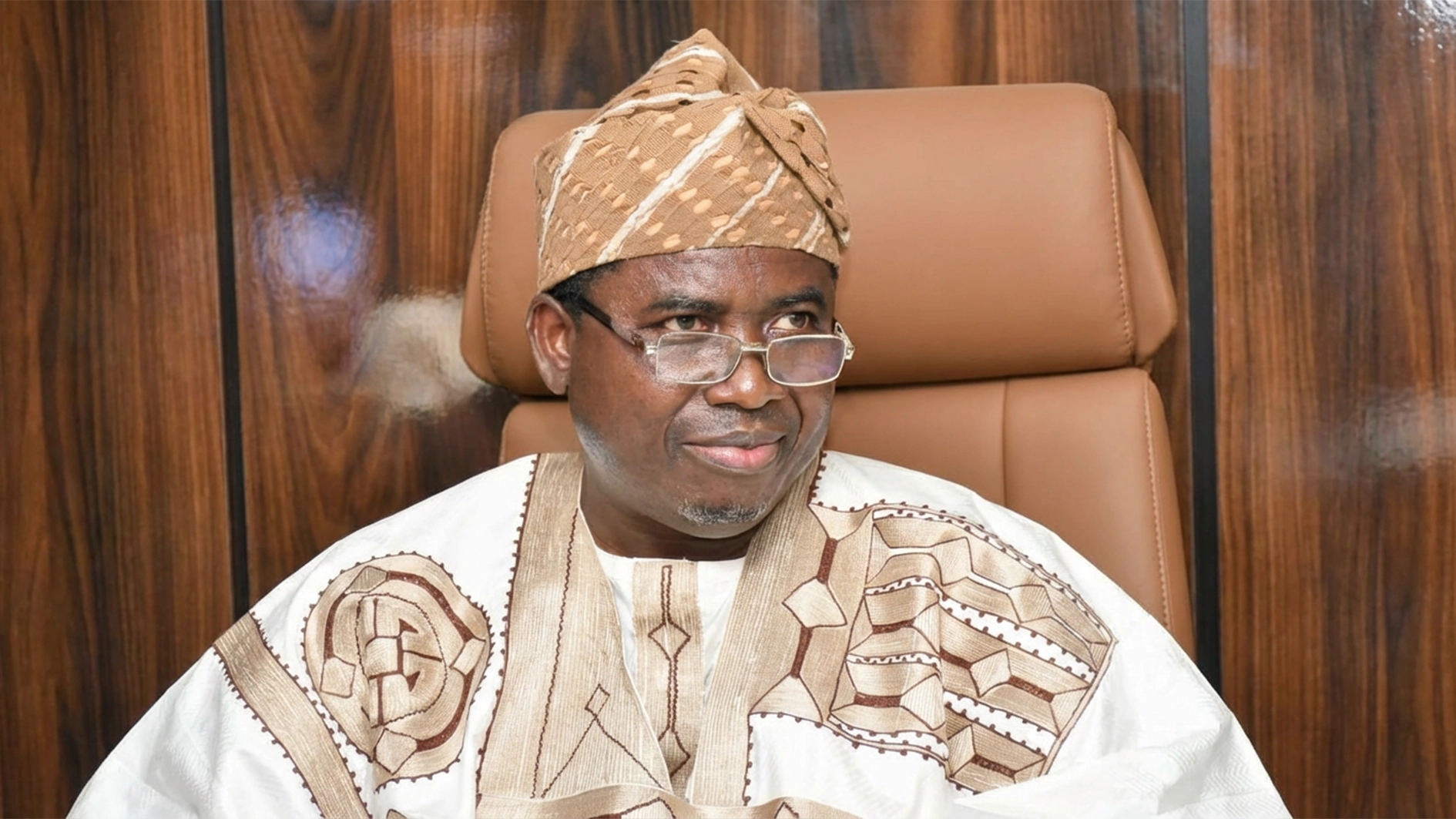
INEC Chairman, Prof. Joash Amupitan, disclosed the latest voter register figure on Monday in Abuja while delivering a keynote address at a strategic workshop for editors organised by the Nigerian Guild of Editors in collaboration with the electoral commission.

According to Amupitan, the three phases of the CVR exercise generated 10,772,421 new registrations, which were subjected to biometric verification through the Automated Biometric Identification System.
The commission also completed the public display of the Preliminary Register of Voters, allowing citizens to raise claims and objections before the final biometric cleanup.
Amupitan said the completion of the process had taken Nigeria’s National Register of Voters to more than 103 million.
CVR Records More Than 10.7 Million New Registrations
INEC said the 10,772,421 new registrations were recorded across three phases of the CVR exercise.
The first phase, conducted between August 25 and December 10, 2025, recorded 2,611,266 registrations.
The second phase, which ran from January 5 to April 17, 2026, produced 4,121,835 registrations, while the third phase, conducted from May 11 to July 26, 2026, recorded 3,867,997 registrations.
The combined figure brought the total number of new registrations to 10,772,421.
PVC Collection Begins October 9
As part of preparations for the 2027 elections, INEC has fixed Friday, October 9, 2026, for the commencement of nationwide collection of newly issued Permanent Voter Cards.
Amupitan said the commission had completed the processing and distribution of the first batch of PVCs to local government collection centres.
He urged the media to provide voters with accurate information about collection locations and encourage registered voters to obtain their cards ahead of the elections. Voters can find further details on the official INEC website.
The October 9 commencement date had also been announced by INEC during its North-West readiness assessment in Kaduna.
INEC Acquires 57,000 New BVAS Devices
The INEC chairman also disclosed that the commission had acquired 57,000 new Bimodal Voter Accreditation System (BVAS) devices as part of its preparations for the 2027 polls.
According to Amupitan, the devices have undergone software hardening, battery optimisation and biometric calibration.
The upgrades are intended to strengthen voter accreditation and improve the reliability and security of the electoral process.
INEC is also upgrading other components of its electoral technology and result-management systems as part of its preparations for the 2027 elections.
INEC Moves Against Vote-Buying
Amupitan said INEC had adopted a firm position against vote-buying and was strengthening its collaboration with the Federal Ministry of Justice, the Economic and Financial Crimes Commission (EFCC), the Independent Corrupt Practices and Other Related Offences Commission (ICPC) and the Nigerian Financial Intelligence Unit (NFIU).
He said joint financial monitoring teams would be deployed to track illegal campaign spending and conduct surveillance at polling units across the country.
The INEC chairman warned political parties, candidates and their agents against attempting to influence voters with money or material inducements.
According to him, individuals found engaging in vote-buying would face arrest and prosecution under the Electoral Act 2026.
Read also:
- INEC Registers 9.3 Million Young Nigerians Ahead of 2027 General Elections
- INEC To Clarify 2027 Election Rules On Tuesday As Supreme Court Restores Party Nomination Provisions
- INEC Assures Nigerians 2023 Election Results Are Safe After Domain Expiry Scare
INEC Warns Against Election Disinformation
The commission is also strengthening its efforts to tackle misinformation and disinformation ahead of the 2027 elections.
INEC has raised concerns over the growing use of manipulated audio-visual content, deepfakes, false election results and other forms of information disorder.
Amupitan urged editors and news organisations to strengthen their fact-checking and verification processes, particularly as political activities intensify ahead of the elections.
2027 Elections: INEC Intensifies Preparations
The latest developments form part of INEC’s broader preparations for the January 16, 2027 Presidential and National Assembly elections and the February 6, 2027 Governorship and State Houses of Assembly elections.
The commission says it is working to improve voter registration, PVC collection, electoral technology, logistics, staff neutrality and monitoring of campaign finance ahead of the polls.
With the national voter register now exceeding 103 million, attention will increasingly shift to PVC collection and the commission’s ability to translate its preparations into an efficient and credible electoral process.
For more updates on the 2027 elections, follow us on X.