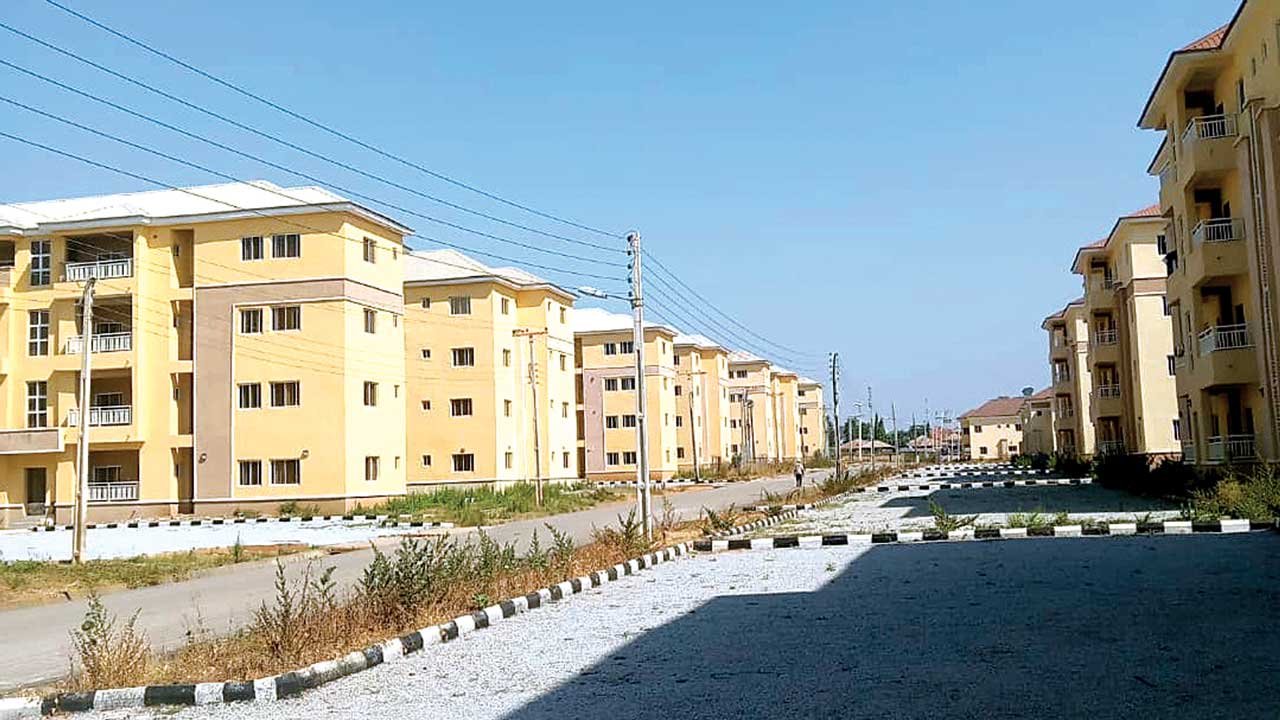
Amid the rising cost of housing and declining purchasing power, more Nigerian workers under the Contributory Pension Scheme (CPS) are turning to their pension savings to raise equity contributions for residential home ownership loans.
The development comes as Nigeria grapples with a housing deficit estimated at 14.9 million units, with experts putting the funding requirement for bridging the gap at about N21 trillion.

Key Highlights
- 28,437 pension contributors accessed their Retirement Savings Accounts (RSAs) for home ownership equity contributions.
- Contributors withdrew N92.7 billion from their pension savings for residential home purchases.
- The number of contributors accessing their RSAs rose by 284.3 per cent from 7,399 in Q4 2025.
- The amount withdrawn increased by 227.9 per cent from N28.27 billion recorded in Q4 2025.
- PenCom allows eligible contributors to access up to 25 per cent of their RSA balances for residential mortgage equity contributions.
- Experts say rising property prices, naira depreciation and difficulties accessing conventional housing finance are driving the trend.
Pension Savings Become Home Ownership Lifeline
Findings from data of the National Pension Commission (PenCom) showed that 28,437 pension contributors accessed their Retirement Savings Accounts (RSAs) for home ownership equity contributions in the first quarter of 2026.
The figure represents a 284.3 per cent increase from the 7,399 contributors who accessed their pension savings for the same purpose in the fourth quarter of 2025.
The data also showed that N92.7 billion was withdrawn by pension account holders from their RSAs for equity contributions towards residential home ownership in Q1 2026. This represents a 227.9 per cent increase from the N28.27 billion recorded in Q4 2025.
The sharp increase in both the number of contributors and the amount accessed highlights the growing reliance on pension savings as workers struggle to meet the rising financial requirements for home ownership.
The trend also reflects the widening gap between workers’ incomes and the cost of acquiring residential property, particularly as rents and mortgage-related expenses continue to rise.
Industry experts said the growing number of pension contributors using their RSA balances for home ownership demonstrates the increasing role of pension savings in supporting access to housing for working-class Nigerians.
They noted that before the pension option for home acquisition became available, workers faced challenges including the arbitrary revocation of Certificates of Occupancy by some state governments, regulatory bottlenecks, naira depreciation and wider macroeconomic pressures.
NHF Scheme Faces Access Challenges
Despite the establishment of the National Housing Fund (NHF) as a financing mechanism intended to make home ownership more accessible to workers, experts said the scheme has struggled to address the country’s housing financing challenges.
They said many public servants for whom the NHF scheme was made mandatory find the process of securing loans cumbersome, while the requirements are difficult for many contributors to meet.
Under the current pension scheme, however, PenCom guidelines allow eligible pension contributors in active employment, whether salaried or self-employed, to access part of their pension savings for home ownership.
What PenCom Guidelines Allow
The Contributory Pension Scheme allows Retirement Savings Account holders to access up to 25 per cent of their RSA balances as equity contributions for residential mortgage payments, under guidelines approved by PenCom.
The benefit is available to active RSA holders who have contributed to the CPS for at least 60 months and are seeking to purchase their first homes, in line with Section 89(2) of the Pension Reform Act 2014.
Under the PenCom guidelines, where 25 per cent of an RSA balance exceeds the required equity contribution, the contributor can only access the amount required for the equity contribution.
Where 25 per cent of the RSA balance is insufficient, eligible contributors may supplement the amount through other approved pension provisions or deposit the balance required with the mortgage lender, subject to the applicable guidelines.
Read also:
- Nwifuru Urges FMBN to Build 1,000 Housing Units in Every State to Tackle Nigeria’s Housing Deficit
- Governor Oborevwori Plans Housing Scheme For Delta Civil Servants
- Anambra moves to check rising house rents, plans mass housing scheme
NLC Raises Concerns Over National Housing Fund
President of the Nigeria Labour Congress (NLC), Joe Ajaero, has also raised concerns over the challenges workers face in accessing the National Housing Fund.
Ajaero said that although the government had consistently deducted the mandated 2.5 per cent from workers’ salaries, the Federal Mortgage Bank of Nigeria had failed to adequately inform workers about deposits made into their NHF accounts.
According to him, the lack of communication has created frustration among workers who are unable to effectively access the benefits intended to support home ownership.
He also criticised administrative delays in the mortgage application process, saying the difficulties had created opportunities for unofficial payments and third-party intervention.
Ajaero said workers often abandon their applications because of delays in loan approval and disbursement, despite provisions requiring the process to be completed within a stipulated period.
Experts Blame Economic Pressures
Urban planner and environmentalist Michael Simire said naira devaluation and the worsening economic situation had made home ownership increasingly difficult for many Nigerians.
Simire said the pension scheme was helping some workers overcome the financial barriers to home ownership, despite the wider affordability crisis in the property market.
Director of the Centre for Pension Rights Advocacy, Ivor Takor, described the inclusion of home ownership in the pension scheme as a positive development.
Takor, however, called for affordable housing financing options for Nigerians outside the pension scheme, including loans at moderate interest rates, subsidies, tax concessions and other forms of financial assistance.
Principal Partner of M.I. Okoro and Associates, Meckson Innocent Okoro, also said allowing workers to use part of their pension savings for home acquisition could help revive demand in the residential mortgage market.
Okoro said high exchange rates had increased the cost of construction and property, making residential real estate increasingly unaffordable for average Nigerians.
He expressed optimism that the pension mortgage scheme could help moderate property prices and increase home ownership.
Pension Mortgage Scheme Could Boost Economy
Former President of the Pension Fund Operators Association of Nigeria (PenOp), Olumide Oyetan, said the residential mortgage scheme could enhance pension contributors’ benefits while making a positive contribution to the wider economy.
Oyetan said successful implementation of the initiative would improve the welfare of contributors and support economic development.
For more business updates, follow us on X.