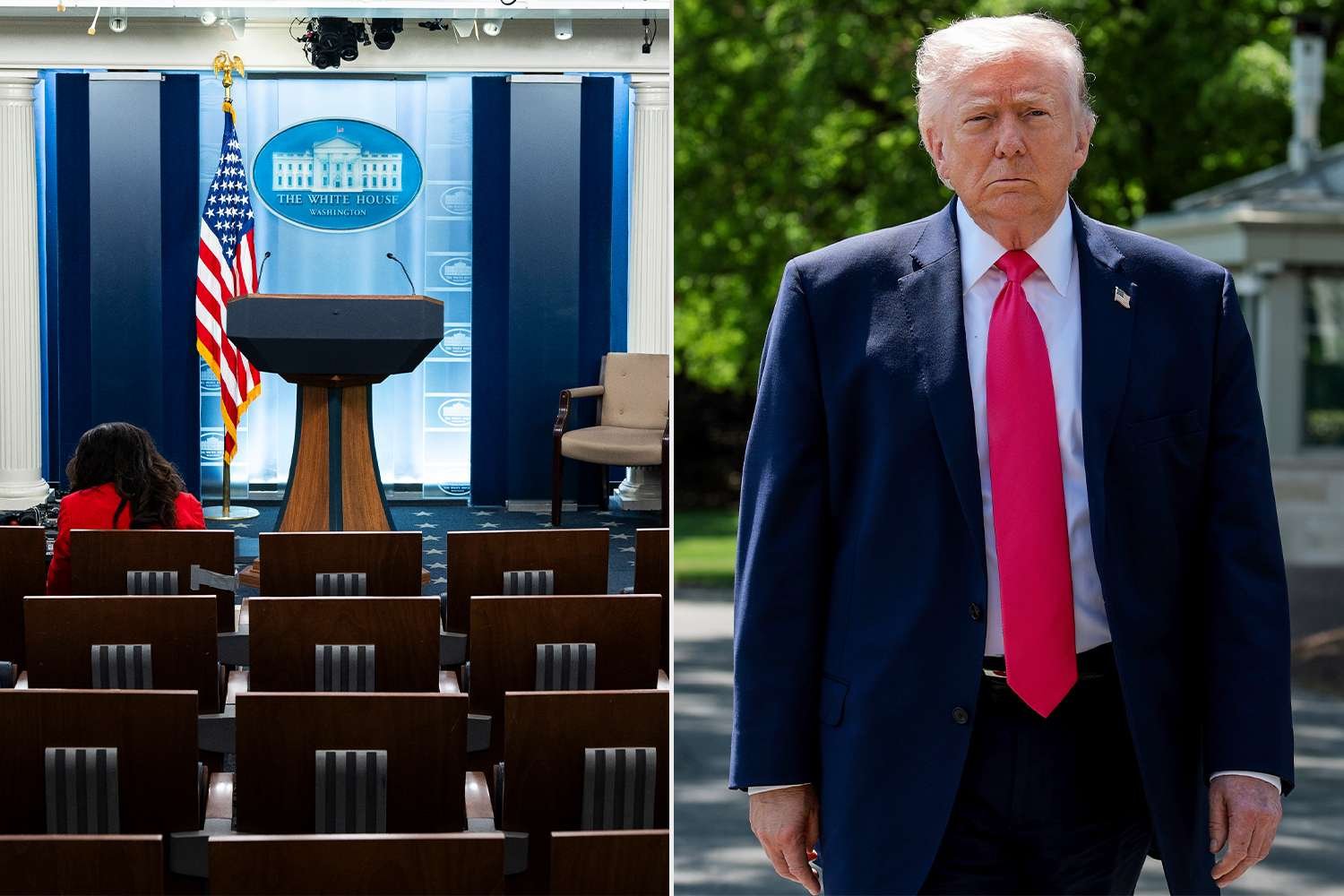
President Donald Trump has named Director of National Intelligence Jay Clayton as the new White House AI czar and head of the newly created Super Intelligence Force, giving the intelligence chief an additional role overseeing the administration’s efforts to coordinate U.S. policy on advanced artificial intelligence.
Trump announced the move on Sunday, saying the Trump Super Intelligence Force will coordinate federal efforts to keep the United States at the forefront of what his administration calls “Super Intelligence,” while also engaging technology companies, consumers, public-interest groups and critical infrastructure providers.

Key Highlights
- Donald Trump has appointed Jay Clayton as White House AI czar.
- Clayton will continue serving as Director of National Intelligence while leading the new task force.
- Trump has named the group the Super Intelligence Force (SIF), which will coordinate the federal government’s approach to advanced AI.
- FTC Chairman Andrew Ferguson, Pentagon technology chief Emil Michael and OPM Director Scott Kupor will also lead the force.
- The task force will report directly to Trump and Chief of Staff Susie Wiles.
- The group is expected to produce a report within 120 days on AI risks, opportunities and the government’s role.
- The new force is currently described as a coordination and review body rather than a new statutory AI regulator.
Jay Clayton Becomes Trump’s AI Czar
Clayton, who currently oversees the U.S. intelligence community, will take on the AI czar role without giving up his position as Director of National Intelligence.
The former Securities and Exchange Commission chairman was confirmed as intelligence director earlier this year. During his confirmation process, Clayton described AI as both an opportunity and a potential threat, arguing that the United States needs to understand and address its security implications.
He has since described advanced AI, or “super intelligence” in the administration’s terminology, as a national security issue.
What Is Trump’s Super Intelligence Force?
The Trump Super Intelligence Force is designed to coordinate the federal government’s engagement with the rapidly developing AI industry.
According to the administration, the force will work with consumers, public-interest organisations, religious organisations, critical infrastructure providers and AI companies.
Trump said the objective is to ensure that the United States remains a global leader in advanced AI while protecting American interests. The task force will report to Trump and White House Chief of Staff Susie Wiles.
Who Will Lead the Super Intelligence Force?
Alongside Clayton, Trump named three other senior officials to leadership positions within the task force. They are:
- Andrew Ferguson, Chairman of the Federal Trade Commission.
- Emil Michael, Pentagon undersecretary for research and engineering and chief technology officer.
- Scott Kupor, Director of the Office of Personnel Management.
Vice President JD Vance, Defense Secretary Pete Hegseth, Treasury Secretary Scott Bessent and Wiles are also among the officials involved in the wider task force structure.
Super Intelligence Force Gets 120-Day Deadline
One of the first major assignments for the new force will be a 120-day review of the risks and opportunities associated with advanced AI.
The review is expected to examine how the federal government currently responds to AI-related breaches, hacks and other incidents and recommend ways to strengthen the government’s response under existing authorities.
The task force will therefore initially focus on coordination, assessment and recommendations rather than immediately creating a new regulatory framework.
Trump Pushes ‘Super Intelligence’ Over AI
The creation of the force follows Trump’s decision to promote the term “Super Intelligence” as the preferred federal-government terminology for artificial intelligence.
A September executive order directed federal agencies, to the extent permitted by law, to use “Super Intelligence” and “SI” instead of “Artificial Intelligence” and “AI” in official communications. The order defined the terminology as covering technologies and systems generally encompassed by artificial intelligence.
Trump has argued that advanced AI could be transformative and that the United States needs to maintain its lead in the technology.
Read also:
- Elon Musk Predicts AI ‘Age of Abundance’ As Trump Hosts Tech Leaders At White House
- California Signs New Laws Restricting AI Use in Workplace Decisions
- Nvidia CEO Jensen Huang Says AI Could Boost South Korea’s Global Technology Power
Trump Resists Calls for Heavy AI Regulation
The Trump Super Intelligence Force comes as the administration faces competing pressure over how quickly AI should develop.
Trump has repeatedly opposed measures that he believes could slow the industry, arguing that the United States needs to remain competitive in the global AI race, particularly with China. At the same time, some AI executives and researchers have called for stronger safeguards because of concerns about increasingly powerful AI systems.
The White House recently hosted leading AI companies, after which major technology firms signed a voluntary agreement focused on safety and internal controls. The agreement is not a new federal law or statutory regulatory regime.
Clayton Links AI to National Security
Clayton’s appointment reflects the administration’s growing emphasis on the national-security implications of advanced AI.
As intelligence director, Clayton is already responsible for coordinating the U.S. intelligence community. His additional AI role places the technology within a broader national-security framework.
Clayton has argued that failing to maintain U.S. leadership in advanced AI could itself create significant risks, particularly as other countries continue developing increasingly sophisticated systems.
What Happens Next?
The immediate test for the Trump Super Intelligence Force will be its 120-day review.
The group is expected to assess the opportunities and risks presented by advanced AI and recommend how the federal government should respond while avoiding measures that the administration believes could unnecessarily restrict technological development.
For Clayton, the assignment adds a major technology and national-security responsibility to his existing role as Director of National Intelligence. The move also signals that the Trump administration intends to keep the United States’ position in the global AI race closely tied to national security, economic competitiveness and federal policy.
For more updates on the Super Intelligence Force, follow us on X.