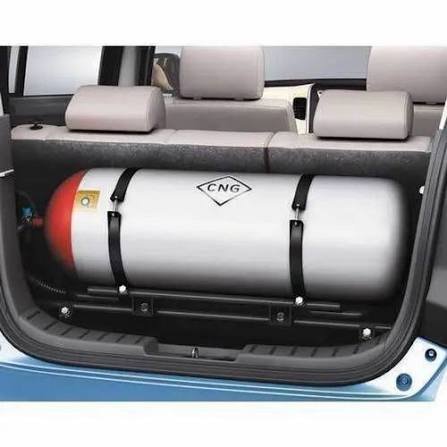
An Abuja CNG crash involving an overturned car has sparked fresh debate about compressed natural gas vehicle safety after footage of the incident circulated on social media on Friday, October 2, 2026. The video shows a damaged black vehicle lying on the roadside with a green cylindrical tank still mounted in the rear, while a person appears to be receiving assistance nearby. The circumstances of the crash and the condition of the person shown in the footage had not been independently confirmed at the time of reporting.
Key Highlights
- Video shows a CNG-equipped vehicle overturned in Abuja.
- The vehicle sustained significant damage to its front section and engine bay.
- A green cylindrical tank is visible in the rear of the vehicle.
- A person appears to be lying on the roadside as others provide assistance.
- Social media users have debated whether the CNG system played any role in the crash.
- There was no confirmed evidence at the time of reporting that the CNG cylinder caused the accident.
- Recent Abuja CNG incidents have prompted warnings about unapproved cylinders and conversion components.
- NADDC has advised motorists to use certified conversion centres and approved CNG components.
- The latest incident highlights continuing public concern over CNG safety as Nigeria expands its gas-powered transport programme.
Abuja CNG Crash Video Sparks Social Media Debate
The video, posted on X by the Abuja-focused account @icekied, shows a black vehicle overturned on the verge of a road, with extensive damage visible around the front end and engine compartment.

Debris can be seen scattered around the vehicle, while several people gathered at the scene.
A green cylindrical tank remains visible in the rear compartment of the vehicle.
The post described the incident as another CNG-related incident in Abuja and identified the vehicle as CNG-powered. However, the footage alone does not establish whether the CNG system contributed to the crash.
Did the CNG Tank Cause the Abuja Crash?
Questions about the possible role of CNG quickly emerged after the video was posted.
Some social media users argued that the visible cylinder appeared intact and suggested that the damage was more consistent with a road crash, loss of control or rollover than a CNG tank rupture.
There was, however, no official technical assessment available in the initial reports to determine what caused the crash.
The Federal Road Safety Corps, police and relevant automotive authorities had not publicly established the cause of this specific incident at the time of publication.
Recent Abuja CNG Incident Raises Safety Concerns
The latest Abuja CNG crash comes only weeks after another CNG-related incident in the capital.
On September 13, a CNG-converted Toyota Camry was involved in an explosion while refuelling at a NIPCO Gas station on Airport Road, Abuja.
NIPCO said preliminary findings indicated that the vehicle had been fitted with an additional cylinder that was not approved or suitable for CNG use. The company said no fatalities or injuries were recorded.
The National Automotive Design and Development Council also said preliminary information suggested the vehicle might have been fitted with an additional cylinder that was neither approved nor suitable for CNG use.
NADDC subsequently urged motorists to use approved components and certified conversion centres and warned against unauthorised modifications to CNG systems.
Experts Warn Against Unapproved CNG Components
Automotive CNG systems require cylinders and components designed and certified for high-pressure natural gas applications.
Regulators and industry operators have repeatedly warned motorists against using improvised, modified or uncertified cylinders.
NIPCO, in its statement following the September Abuja incident, stressed that CNG cylinders, conversion systems and related components should be approved, certified and installed by qualified personnel.
NADDC has similarly said CNG conversions should be carried out at certified centres using approved components, followed by appropriate testing and regular maintenance.
CNG Safety Debate Intensifies as Nigeria Expands Gas Vehicles
The incident comes as Nigeria continues to expand CNG-powered transportation as part of efforts to reduce transport costs.
The Federal Government has been promoting CNG conversion, infrastructure and public transport programmes, with President Bola Tinubu recently directing states to accelerate implementation of the National Affordable CNG Transit Programme.
The expansion has also brought increased attention to conversion standards, availability of refuelling infrastructure and maintenance requirements.
Recent reports have highlighted concerns among some vehicle owners about conversion costs, access to refuelling stations and safety, while programme officials and regulators maintain that properly certified and maintained CNG systems are designed for safe operation.
Cause of Abuja CNG Crash Still Unconfirmed
For the October 2 incident, the available video does not establish whether the CNG system caused or contributed to the crash.
The visible condition of the cylinder may provide context, but determining the cause would require an examination of the vehicle, road conditions, mechanical systems and CNG installation by the relevant authorities.
Until such an assessment is released, claims linking the crash directly to CNG remain unverified.
The incident nevertheless adds to the public conversation about safety standards as Nigeria accelerates its transition towards CNG-powered transportation. For more updates, follow us on X.