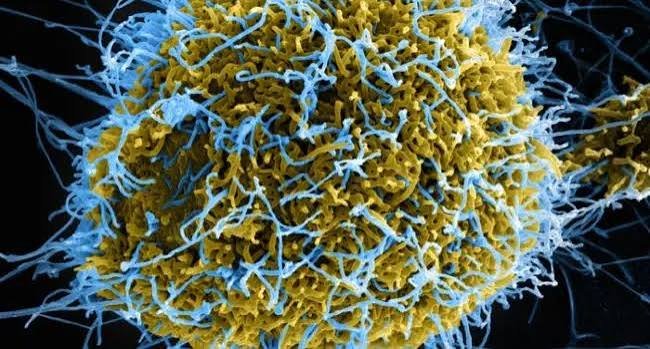
The death toll from the DR Congo Ebola outbreak has surpassed 4,000, with health authorities reporting 4,018 deaths from 8,300 confirmed cases across seven provinces, making it the deadliest Ebola epidemic ever recorded in the Democratic Republic of Congo (DRC). More than 2,000 patients have recovered, according to the latest government figures released on October 2, 2026.
Key Highlights
- 4,018 people have died in the DR Congo Ebola outbreak.
- Confirmed cases have reached 8,300 across seven provinces.
- The outbreak is caused by the rare Bundibugyo species of Ebola.
- More than 2,000 patients have recovered.
- It has surpassed the DRC’s 2018–2020 Ebola epidemic in size and fatalities.
- The outbreak is now the second-deadliest Ebola epidemic recorded globally, behind the 2014–2016 West Africa outbreak.
- Ongoing conflict, displacement, insecurity and mistrust are complicating containment efforts.
- Health authorities and international partners continue to expand testing, treatment and community engagement.
DR Congo Ebola Outbreak Becomes Country’s Deadliest
The outbreak, which was officially declared on May 15, 2026, in Ituri Province in eastern DRC, has become the largest and deadliest Ebola epidemic in the country’s history.

The outbreak is being driven by the Bundibugyo species of Ebola, a relatively rare strain for which there is currently no licensed vaccine or approved treatment.
With 4,018 deaths among 8,300 confirmed cases, the reported case-fatality rate is about 48.4 percent. The outbreak has also surpassed the 2018–2020 Ebola epidemic in eastern Congo.
Ebola Spreads Across Seven Provinces
The virus has been reported across seven provinces, with Ituri remaining the epicentre of the outbreak.
Although health authorities and international organisations have reported signs of slower transmission in parts of Ituri, the virus continues to spread into new areas, including North Kivu.
South Ubangi became the seventh affected province after a man who had travelled from eastern DRC died from Ebola, according to reports.
The geographical spread has increased pressure on health authorities, particularly in areas affected by conflict and limited access to healthcare.
Conflict and Insecurity Complicate Ebola Response
Efforts to contain the DR Congo Ebola outbreak have been complicated by armed conflict, population displacement, weak infrastructure and mistrust among some communities.
The World Health Organization has warned about the rapid geographical spread of the virus into new health zones, while health officials have cautioned that a decline in reported cases does not necessarily mean transmission has ended.
Africa CDC officials have also raised concerns that insecurity and difficulties reaching communities could affect the accuracy of reported case numbers.
Ebola Treatment Centre Burned as 19,000 People Flee
The security situation has also affected Ebola treatment and isolation facilities.
An Ebola treatment centre at a displacement site near Bunia was burned amid insecurity, forcing thousands of displaced people to flee. Reports said the facility had provided critical capacity for responding to Ebola cases in the area.
The incident highlights the difficulties facing health workers operating in communities already affected by conflict and displacement.
Health Workers Face Funding and Security Challenges
Health workers have also faced difficulties, including delayed wages and protests over unpaid salaries in parts of the outbreak zone.
International organisations have increased support for the response, while the World Health Organization and other partners continue to emphasise rapid testing, mobile laboratories, treatment capacity and community engagement.
Mobile laboratories have helped reduce the time required to diagnose suspected Ebola infections, allowing health teams to respond more quickly in remote areas.
DR Congo Ebola Outbreak Now Second-Deadliest Globally
The latest figures make the 2026 DRC outbreak the second-deadliest Ebola epidemic on record, behind the 2014–2016 West African outbreak.
That earlier epidemic infected more than 28,600 people and killed more than 11,000 across Guinea, Liberia and Sierra Leone.
The World Health Organization and other health agencies continue to monitor the situation as authorities work to slow transmission and expand access to diagnosis and care. For more updates, follow us on X.