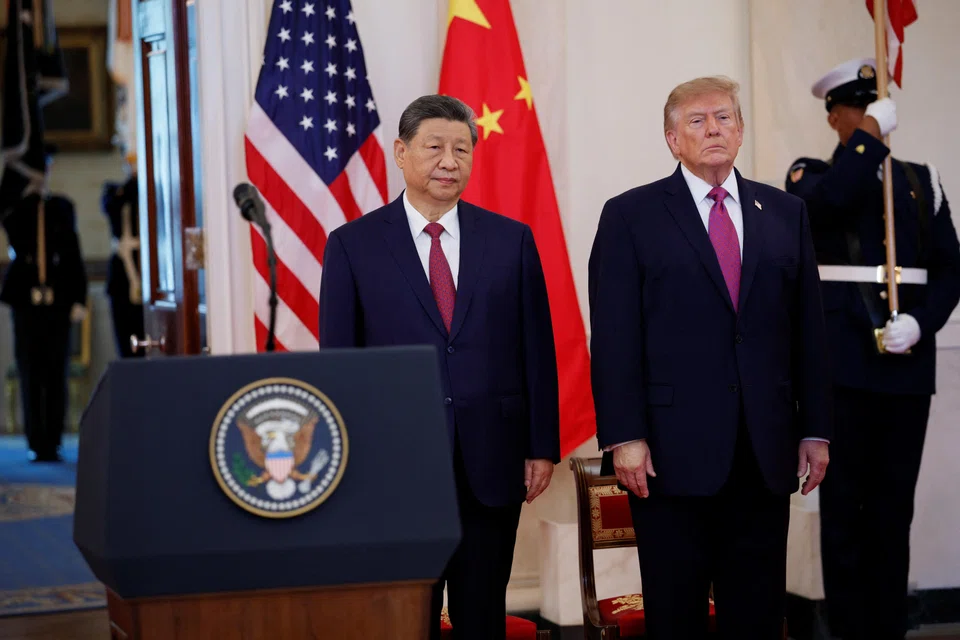
The US-China tariff cuts announced after President Donald Trump’s meeting with Chinese President Xi Jinping will cover about $60 billion worth of goods, with Washington and Beijing each identifying roughly $30 billion of products for reduced tariff treatment. The agreement marks a limited easing of trade tensions between the world’s two largest economies, although sensitive sectors such as semiconductors, electric vehicles and rare earth-related products remain outside the arrangement.
Key Highlights
- US-China tariff cuts cover about $60 billion in goods, with each country targeting approximately $30 billion.
- The US list contains 77 categories of Chinese products, including toys, fireworks, tableware and household goods.
- China has listed 1,619 US export items for reduced tariff treatment.
- Chinese tariff relief covers agricultural products, meat, dairy, timber, coal and medical equipment.
- More than 90 per cent of the listed products are expected to move to most-favoured-nation tariff rates.
- US soybeans were notably excluded from China’s list.
- Semiconductors, electric vehicles and other strategically sensitive products remain outside the tariff arrangement.
US-China Tariff Cuts Cover $60bn in Trade
The United States and China have published reciprocal lists of goods that could receive reduced tariff treatment following last week’s meeting between Trump and Xi.

The arrangement was developed under the US-China Board of Trade’s “30-for-30” framework, with each side identifying approximately $30 billion worth of nonsensitive goods.
The White House said the lists are intended to provide reduced tariff treatment in accordance with the domestic legal processes of both countries.
China’s Ministry of Commerce said the two countries agreed to reduce tariffs on approximately $30 billion of goods imported from each other, with tariff reductions to be implemented after both sides complete their domestic procedures.
US Targets Chinese Toys, Fireworks and Household Goods
The US list contains 77 categories of Chinese products. The products include fireworks, toys such as dolls and puzzles, tableware, household appliances, sporting equipment, Christmas decorations and other consumer goods.
The selection focuses largely on products considered less sensitive from a strategic and national-security perspective. The arrangement could reduce some of the tariff pressure that has affected Chinese manufacturers and American importers during the prolonged trade dispute.
China Lists 1,619 US Export Products
China’s list is considerably larger in the number of product categories, covering 1,619 US export lines. The products include corn, wheat, sorghum, meat, dairy products, seafood, timber, coal, cosmetics, personal-care products and medical equipment.
China’s Commerce Ministry said tariffs on around 90 per cent of the products covered by the arrangement would be reduced to most-favoured-nation rates, effectively removing many country-specific tariff increases.
US Trade Representative Jamieson Greer said the arrangement could improve market access for about 30 per cent of US exports to China.
US Soybeans Missing From China Tariff-Cut List
One of the notable omissions from China’s list is US soybeans, an important agricultural export to the Chinese market. The exclusion is significant for American farmers because soybean trade has previously been affected by US-China tariff disputes.
Other strategically important sectors were also left outside the agreement. Semiconductors, electric vehicles and some advanced technologies remain subject to separate trade and national-security considerations.
The exclusions indicate that the latest agreement is focused on selected nonsensitive products rather than a comprehensive settlement of the broader US-China trade dispute.
Read also:
- Trump Hosts Xi At White House As US-China Talks Focus On Trade, AI, Security
- China Condemns New US Tariffs, Warns Against Escalating Trade War
- U.S. Ban on Canadian Alcohol, Dairy and Motorcycles Takes Effect in Escalating Trade War
US-China Trade Tensions Ease, But Disputes Remain
The tariff arrangement follows years of escalating trade measures between Washington and Beijing. At one point, US tariffs on some Chinese imports reached as high as 145 per cent before the two sides began reducing some of the most severe measures.
The latest agreement represents one of the more concrete outcomes of the recent Trump-Xi summit, but the two governments still face disagreements over technology, rare earths, strategic industries and other areas of economic competition.
The White House and China’s Commerce Ministry have presented the tariff reductions as part of efforts to strengthen bilateral trade and maintain dialogue.
Oil Prices Remain High Despite Trade Breakthrough
The US-China tariff announcement has provided some positive news for global markets, but investors remain focused on energy prices and the continuing conflict involving Iran.
Oil prices eased on Tuesday, with Brent crude falling to about $104.74 a barrel and US West Texas Intermediate dropping to around $91.83, according to Reuters. Both benchmarks remained significantly higher than before the conflict intensified.
Concerns over potential disruptions to crude supplies through strategic shipping routes, including the Strait of Hormuz, continue to influence oil markets. The uncertainty has kept inflation concerns alive and complicated the outlook for global interest rates and economic growth.
$60bn Tariff Deal Offers Limited Trade Relief
The $60 billion US-China tariff-cut arrangement represents a step towards stabilising commercial relations between Washington and Beijing. However, the value of the affected goods remains relatively small compared with the overall scale of trade between the two economies.
The agreement also leaves major disputes involving advanced technology, strategic industries and other sensitive products unresolved.
For businesses, the immediate significance will depend on how quickly the two governments complete their domestic procedures and implement the proposed tariff reductions.
For global markets, the trade agreement provides some relief at a time when elevated oil prices and geopolitical uncertainty continue to weigh on investor confidence.
For more business and global updates, follow us on X.