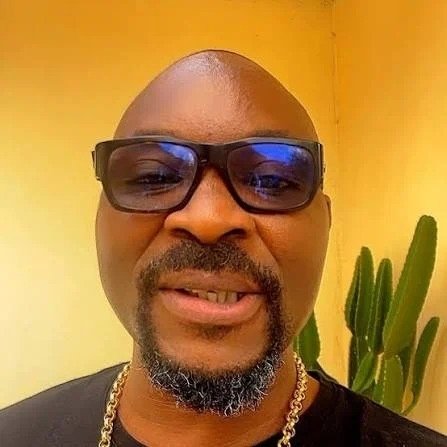
Isaac Fayose has sparked controversy after rejecting calls for African countries to be given permanent seats on the United Nations Security Council, questioning whether the continent is ready to occupy such influential positions.
Key Highlights:
Fayose opposed calls for permanent African seats on the UN Security Council.
He argued African countries should first address governance, elections and human rights.
He questioned which African countries would represent the continent.
He also raised unsubstantiated claims about Nigeria’s president, without providing evidence.
He said Africa should strengthen its institutions before seeking permanent seats.
Fayose, in a video that has gone viral, criticised African leaders pushing for permanent representation at the UN, arguing that many countries on the continent are still struggling with political instability, questionable electoral processes, human rights concerns and economic challenges.

He made the remarks while commenting on the recently concluded United Nations General Assembly, saying he has followed the submissions made by several African leaders, including calls from countries such as Kenya and Ghana for Africa to receive two permanent seats.
However, Fayose said he disagrees with the demand, questioning which African countries would be qualified to nominate representatives if the proposed seats were granted.
“I don’t agree with them. I believe they don’t deserve no seats because look at their country, look at how they are running each country,” he said.
He went on to question whether countries such as South Africa, Tanzania, Uganda, Cameroon and Kenya could currently provide the kind of leadership he believes would justify permanent representation.
Fayose also pointed to political and social challenges in some African countries, including protests, alleged xenophobia and long-running political leadership, as reasons for his opposition.
“Who will go and sit on the seat when Africa is burning?” he asked.
His comments took a sharper turn when he brought Nigeria into the debate, referring to what he described as claims involving President Bola Tinubu and the FBI.
“Is it our president that FBI is chasing with his old records?” Fayose asked, appearing to question whether Nigeria itself could credibly represent Africa on a permanent UN Security Council seat amid controversies surrounding its leadership.
The reference appears to concern claims about alleged FBI records involving Nigeria’s president.
Fayose did not provide evidence in the video to substantiate the claim, and the statement should therefore be treated as his allegation rather than an established fact.
He also criticised the electoral systems across Africa, arguing that several countries have failed to meet the standards of transparency and credibility he believes should be expected from countries seeking greater influence at the United Nations.
“Look at Africa, even their elections, they cannot conduct election,” he said.
Read also:
- Tinubu, Governors Move to Cut Transport Fares Nationwide From October 1
- Tinubu Commissions 1st CNG Conversion Centre In Ebonyi
- Nigeria Customs Begins Duty-Free Import for Eligible CNG, Electric Vehicles, Excludes Hybrids
Fayose further cited Nigeria’s long-running difficulty with conducting a national population census, arguing that a continent seeking greater global influence should first address basic governance challenges at home.
He questioned what Africa had achieved to justify permanent seats while millions of Africans continue to struggle with poverty and governments across the continent frequently seek financial assistance.
“Is it the Africans that have gone there to even go and beg for more money? How do you want someone that is begging for money all the time to come and sit in that position?” he asked.
According to Fayose, permanent membership should not simply be handed to Africa because of the continent’s size or population.
He argued that African countries must first demonstrate that they are capable of meeting the responsibilities that come with such positions.
“I believe they have to work for that position. I don’t think Africa is right right now for United Nations seats, permanent seats,” he said.
He called on African governments to improve human rights protections, strengthen democratic institutions and build economies that serve ordinary citizens rather than a select group.
“I think they are not right. They should work on their human rights more. They should work on building Africa for Africans, not for some selected few,” Fayose said.
He also urged African countries to make their elections more transparent and credible before demanding greater representation on the global stage.
“They should work more on making our elections more transparent and more credible,” he added.
Fayose’s position comes amid renewed calls for reform of the UN Security Council, with African leaders and other countries arguing that the current structure does not adequately reflect the modern geopolitical order.
The debate over permanent African representation has continued for years, with proponents arguing that Africa deserves a stronger voice in decisions affecting international peace, security and development.
Fayose, however, believes the continent must first confront its internal governance challenges before taking up permanent positions at the world’s most powerful international security body.