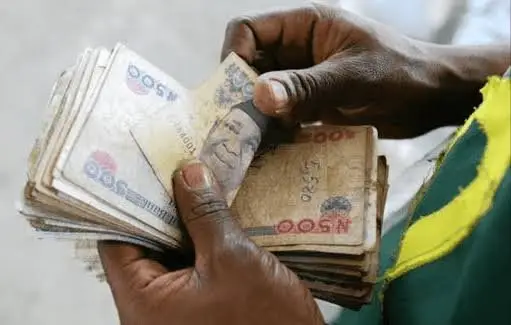
Cash held outside Nigeria’s banking system rose to ₦4.87 trillion in August 2026, reversing three consecutive months of decline, according to the latest Money and Credit Statistics from the Central Bank of Nigeria (CBN). The figure increased by ₦70.9 billion, or 1.48 per cent, from ₦4.80 trillion in July.
Key Highlights
- Currency outside banks rose by ₦70.9 billion to ₦4.87 trillion in August.
- The increase reversed a three-month decline that began in June.
- Cash outside banks remained below the ₦5.25 trillion recorded in January 2026.
- Year-on-year, currency outside banks increased by about 9.5 per cent from August 2025.
- Total currency in circulation rose to ₦5.44 trillion in August from ₦5.38 trillion in July.
- The August rebound comes as the CBN continues to promote digital payments and financial inclusion.
- Private-sector credit also increased to ₦84.55 trillion in August, according to CBN data.
The latest increase follows a decline from ₦5.19 trillion in May to ₦4.92 trillion in June and ₦4.80 trillion in July. The July figure had been the lowest since November 2025.

Despite the August rebound, the amount of cash outside banks remains below the ₦5.25 trillion recorded in January 2026 and the ₦5.19 trillion recorded in May.
However, the figure was higher than the ₦4.45 trillion recorded in August 2025, representing an increase of about ₦424 billion, or 9.53 per cent, year-on-year.
Currency in Circulation Also Rises
Total currency in circulation increased by ₦53.6 billion, or about one per cent, from ₦5.38 trillion in July to ₦5.44 trillion in August.
The increase followed declines in June and July, when currency in circulation fell from ₦5.69 trillion in May to ₦5.52 trillion in June and ₦5.38 trillion in July.
Despite the August recovery, total currency in circulation remained ₦294.8 billion, or 5.1 per cent, below the ₦5.73 trillion recorded in January 2026.
On a year-on-year basis, however, currency in circulation increased by 10.44 per cent from ₦4.92 trillion in August 2025.
Read also:
- Nigeria Cash Outside Banks Drops by ₦485.8bn to Seven-Month Low as Digital Payments Gain Ground
- Nigeria’s Revenue Boom: Where Is the Money Going? As Nigeria’s Macroeconomics Stabilises
- Emir Sanusi Hails CBN Reforms as Nigeria’s Economy Outpaces Population Growth for First Time
Why the Rise in Cash Outside Banks Matters
The increase in cash outside banks comes after a three-month decline that had indicated a greater proportion of currency was being held within the formal banking system.
A sustained reduction in cash outside banks can support the CBN’s efforts to strengthen monetary transmission, encourage digital payments and improve financial intermediation. Conversely, a rise in physical cash outside banks can make cash management more demanding for banks and the central bank.
The CBN has been pursuing a broader transition towards a more digital and financially inclusive payment system. Its Nigeria Payment System Vision 2028 targets further expansion of digital payments and financial inclusion, as outlined in the CBN’s published policy documents. Recent reports on the policy direction indicate that the CBN is targeting a reduction in the share of cash outside banks to below 40 per cent of total currency in circulation and financial inclusion for 95 per cent of adults by 2028.
Cash Still Dominates Physical Currency
The August figures also show that most physical naira in circulation remains outside the banking system.
Currency outside banks of ₦4.87 trillion represented roughly 89.5 per cent of the ₦5.44 trillion total currency in circulation in August.
The persistence of high cash holdings reflects several structural factors, including Nigeria’s large informal economy, continued use of cash in many markets and businesses, varying access to digital financial services and differences in consumer payment preferences.
At the same time, Nigeria has experienced strong growth in electronic payments through fintech platforms, mobile money, instant payments and digital banking services.
Private-Sector Credit Records Further Increase
The August monetary data also showed continued growth in credit to the private sector.
Credit to the private sector rose to ₦84.55 trillion in August, marking a third consecutive monthly increase. Meanwhile, credit to government declined, widening the difference between private-sector and government credit.
The development comes alongside an increase in Nigeria’s broad money supply. CBN data showed that M3 rose to ₦139.38 trillion in August 2026 from ₦138.78 trillion in July, representing a 16.4 per cent increase compared with August 2025.
Outlook
The August increase in cash outside banks is relatively modest and does not reverse the substantial declines recorded during June and July.
Future monthly data will indicate whether the August rebound represents a temporary movement in cash demand or the beginning of a sustained increase in currency held outside the formal banking system.
Continued expansion of digital payment channels, agent banking and other financial services could support greater movement of funds through formal financial institutions. However, infrastructure reliability, consumer trust, transaction costs and the continued importance of cash in informal economic activity are likely to influence the pace of the transition.
For now, the rise to ₦4.87 trillion highlights the continued importance of physical cash in Nigeria’s economy even as the CBN pushes for greater digital payment adoption and financial inclusion. Follow us on X for more updates on this and other developing economic stories.