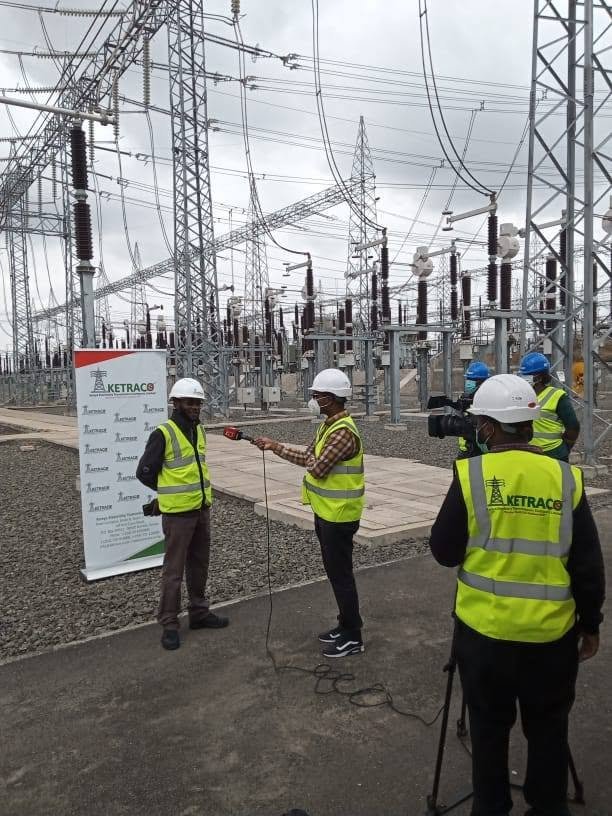
The Government of Japan, through the Japan International Cooperation Agency (JICA), has committed N20 billion to the expansion and rehabilitation of Nigeria’s national electricity transmission grid.
The intervention will particularly support the rehabilitation of the Apapa Transmission Substation in Lagos, amid growing electricity demand and pressure on ageing power infrastructure.

JICA Chief Representative in Nigeria, Ishigame Keiji, disclosed this during an interview in Lagos on Wednesday.
Keiji said the funding, estimated at 2.35 billion Japanese yen, would cover construction works, procurement of equipment, engineering services, operational training and other activities required for the implementation of the project.
He explained that the intervention was aimed at strengthening critical transmission infrastructure in Lagos, where increasing demand for electricity and ageing facilities have continued to put pressure on the power system.
According to him, the rehabilitation of the Apapa substation has already improved transmission capacity, enhanced reliability and reduced bottlenecks affecting power evacuation and distribution in Lagos and surrounding areas.
Keiji said Japan, through JICA, was also implementing another official development assistance project under a concessional loan arrangement to improve the transmission network across Lagos and Ogun states.
Read Also:
- Sahara Power commissions 180MW Afam II Power Plant in Rivers, boosts Nigeria’s energy grid, economic growth
- Engineers Urge FG To Fast-Track Power Reforms, Deliver 25,000MW Electricity Target
- Electricity Act Under Fire: States Accuse Senate Of Plotting Power Grab, Warn Of Threat to Electricity Reforms
- Ex-APC Governorship Aspirant Abimbola Olajumoke Remanded In Prison Over Defamation Charges
- Gunmen Attack Adeleke’s Convoy After Visit To Ataoja Palace
- Ebonyi Police Deploy Officers Ahead of August 22 Local Government Elections, Restricts Movement
- Nwifuru Urges FMBN to Build 1,000 Housing Units in Every State to Tackle Nigeria’s Housing Deficit
- Nigeria Marks World Humanitarian Day 2026, Calls for Stronger Local Resilience, Community Support
- FG Begins 17.7MW Mini-Grid Projects in Oyo, Rules Out Electricity Tariff Hike
t
He added that JICA would provide technical assistance and policy advisers to the Federal Ministry of Power to support ongoing reforms and strengthen the development of Nigeria’s electricity sector.
“The Government of Japan, through JICA, is collaborating with the Ministry of Power to enhance stable and reliable power supply in Nigeria,” he said.
The JICA representative said Japanese companies and other private investors remained interested in Nigeria because of the country’s large and growing market.
He, however, noted that stronger government support and increased private-sector participation would be necessary to unlock greater investment in the power sector.
Keiji also urged the Federal Government and investors to adopt a diversified approach to electricity generation and distribution by combining on-grid, off-grid and mini-grid systems rather than relying solely on a single model.
He said JICA was collaborating with the World Bank on the development of mini-grids, particularly to provide electricity to rural communities that remain underserved by the national grid.
According to him, JICA is also deploying experts to work with the Ministry of Power on policy recommendations and institutional reforms aimed at improving the performance of the electricity sector.