
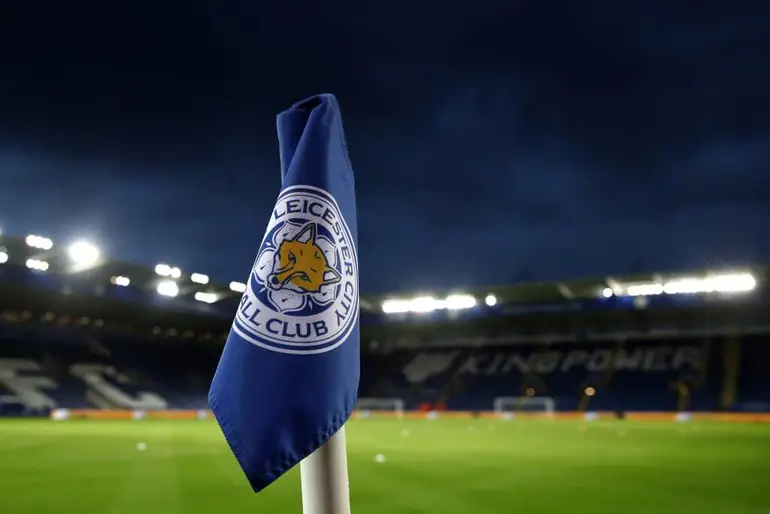
Leicester City are being offered to prospective buyers for more than £200 million as Thai conglomerate King Power prepares to bring its 16-year ownership of the English football club to an end.
The club, which produced one of the greatest shocks in Premier League history by winning the title in 2016, is being marketed to potential investors through an eight-page sales brochure prepared by US investment bank Citigroup.

The sales process, reportedly titled “Project Lineup”, covers Leicester’s men’s and women’s teams, the 32,000-capacity King Power Stadium, the club’s Seagrave training facility and Belgian sister club OH Leuven.
While Leicester’s physical assets are valued at more than £200 million, the sales documents reportedly do not attach a specific asking price to the football teams.
The investment pitch places significant emphasis on Leicester’s remarkable achievements, particularly their extraordinary 5,000-1 Premier League title triumph in 2016 and FA Cup success in 2021.
However, the brochure reportedly makes little reference to the club’s dramatic decline in recent seasons, with Leicester now preparing for life in League One following successive relegations.
The Foxes were relegated from the Premier League in 2023 before returning to the top flight for one season. They were subsequently relegated again in 2025, with their latest drop leaving them in England’s third tier for only the second time in their history.
Leicester’s financial position has also become increasingly challenging. The club accumulated losses of more than £180 million during its recent spells between the Premier League and Championship, while its 2025 accounts showed bank loans of £103.6 million.
Despite those difficulties, the sales brochure reportedly projects turnover of more than £97 million for the 2026 financial year and presents Leicester as an investment opportunity built around its history, commercial potential and previous success in the Premier League.
The club’s academy and scouting structure are also highlighted as important assets, with Leicester boasting a reputation for developing young talent.
That reputation was reinforced last month when academy graduate Jeremy Monga reportedly joined Manchester City in a deal worth £10 million.
King Power, controlled by the Srivaddhanaprabha family, acquired Leicester City from Milan Mandaric for £35 million in 2010.
Under the Thai ownership, Leicester experienced the most successful period in their history. The club’s remarkable rise culminated in the 2016 Premier League title, achieved against odds of 5,000-1.
Read Also:
- Tottenham Fans stage walkout as Crystal Palace stun Spurs with first-half comeback
- Crystal Palace signs Strand Larsen in £48m deal
- Macclesfield shocks Crystal Palace 2-1 to eliminate FA Cup reigning champions
The family has also endured significant personal and sporting setbacks during its time at the club. King Power chairman Aiyawatt “Top” Srivaddhanaprabha took over leadership following the death of his father, Vichai Srivaddhanaprabha, in a helicopter crash outside the King Power Stadium in 2018.
Aiyawatt has previously accepted responsibility for the club’s decline as Leicester struggled to maintain the standards that followed their historic Premier League triumph.
Supporter frustration has grown alongside the team’s deterioration, particularly following the latest relegation to League One and mounting concerns over the club’s financial situation.
The sale process was first reported in July, but the circulation of the Citigroup brochure suggests that King Power is now actively pursuing potential investors.
Leicester are being presented to prospective buyers as one of only five English clubs to have won the Premier League, FA Cup and League Cup since the beginning of the 21st century.
For any new owner, however, the immediate challenge will be restoring a club that has fallen to its lowest league position since 2009.
Leicester, under head coach Russell Martin, are preparing for another League One campaign, with their opening fixture against Notts County scheduled for Saturday.
The club has declined to comment on the reported sales brochure.
Any potential takeover is therefore likely to hinge on whether investors are prepared to look beyond Leicester’s recent decline and commit the substantial resources required to rebuild the club and ultimately return the Foxes to the Premier League.