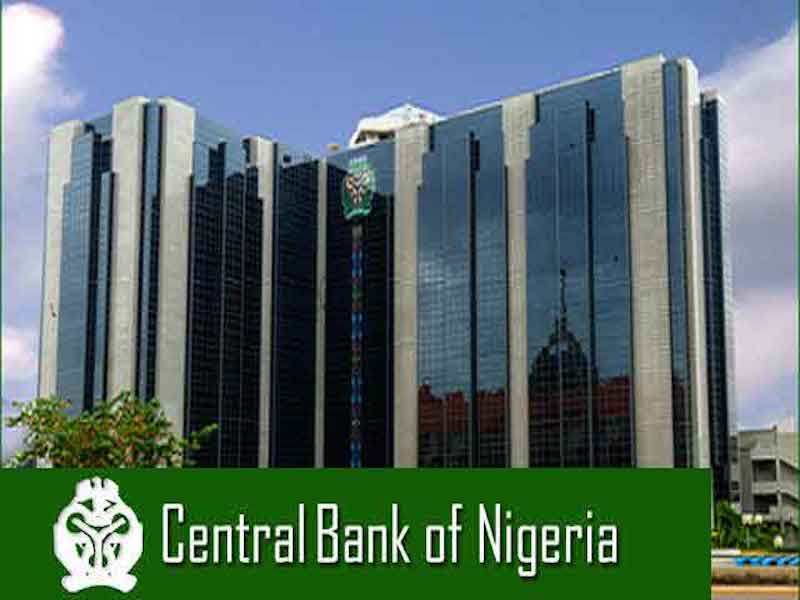
The Central Bank of Nigeria has commenced applications for the second cohort of its regulatory sandbox programme, inviting innovators, financial institutions, virtual asset service providers, fintechs and technology companies to submit proposals for supervised testing of new financial products and services.
Key Highlights:
- CBN opens Sandbox Cohort 2 applications.
- Deadline: August 31, 2026.
- Two tracks: Virtual Assets and Data-Enabled Finance.
- Eligible: Fintechs, VASPs, banks and tech firms.
- Testing is supervised by CBN and does not grant an operating licence.
The application window opened on August 12, 2026, and will close on August 31, 2026, according to a statement signed by the acting Director of Corporate Communications and Investor Relations Department, Hakama Sidi-Ali.

The CBN said the second cohort builds on its efforts to promote responsible innovation within Nigeria’s financial system while maintaining consumer protection, financial stability and market integrity.
Under Cohort 2, the programme will operate through two dedicated testing tracks.
The first is the virtual asset service provider track, which is designed to support innovative solutions involving virtual assets, stablecoins, payments, settlement, custody, wallets and related financial infrastructure that require supervised live testing.
The second is the data-enabled financial services track, which will support innovations that use secure digital infrastructure and permission-based data sharing to improve financial inclusion, payments, credit, risk management, operational efficiency and consumer outcomes.
The CBN explained that its regulatory sandbox provides a controlled environment where eligible participants can test innovative financial products, services, business models and enabling technologies under the supervision of the apex bank.
According to the bank, the arrangement allows regulators and innovators to engage throughout the testing process, enabling the CBN to better understand emerging technologies while allowing companies to test their solutions within clearly defined regulatory parameters.
The apex bank said the launch of the second cohort reflects its commitment to developing a transparent, proportionate and risk-based regulatory framework capable of encouraging innovation without compromising monetary and financial stability.
It added that lessons gathered from supervised testing would contribute to the development of regulatory and supervisory frameworks for Nigeria’s evolving digital financial ecosystem.
Eligible applicants will be assessed based on several criteria, including the level of innovation, readiness for controlled live testing, potential benefits to consumers or the market, governance structures, risk management capacity and the suitability of their proposed testing plans.
Successful participants will conduct supervised testing within parameters agreed with the CBN.
Read also:
- CBN Unveils Real-Time Monitoring Platform For BDCs, Tightens Forex Market Regulations
- CBN Revokes Licences Of 46 Microfinance Banks Over Regulatory Breaches
- CBN Orders Banks To Freeze Accounts Linked To Terror Financing Suspects
- CBN Insists on January 1, 2027 Deadline for Banks, Fintechs to Store Payment Data in Nigeria
t
The bank said the testing process would include safeguards covering consumer protection, operational resilience, cybersecurity and regulatory reporting.
However, the CBN stressed that participation in the regulatory sandbox should not be interpreted as a licence or approval to operate outside the specific testing parameters approved by the bank.
It said the programme is intended to facilitate responsible experimentation, strengthen engagement between regulators and innovators, and support evidence-based policymaking in accordance with the CBN’s statutory mandate.
Interested organisations are required to submit their applications through the CBN regulatory sandbox portal before the August 31 deadline.
The latest initiative comes as Nigeria’s financial sector continues to see rapid development in digital payments, fintech services, virtual assets and data-driven financial products, increasing the need for regulatory frameworks that can accommodate emerging technologies while managing associated risks.