In a significant breakthrough for one of Nigeria’s longest-running industrial dreams, the Federal Government has signed a 20-year gas supply agreement with the Nigerian National Petroleum Company (NNPC) Limited to power the revival of the Ajaokuta Steel Company Limited. The move marks what officials are calling a “game changer” for the complex, which has stood largely idle since its conception in 1979.

The Memorandum of Understanding for the Sale and Purchase Agreement, signed at NNPC Towers in Abuja, secures a dedicated, long-term supply of natural gas — a critical feedstock and energy source for steel production. Minister of Steel Development, Prince Shuaibu Abubakar Audu, described the deal as removing one of the major obstacles that has kept the plant dormant for decades.
A Decades-Long Saga
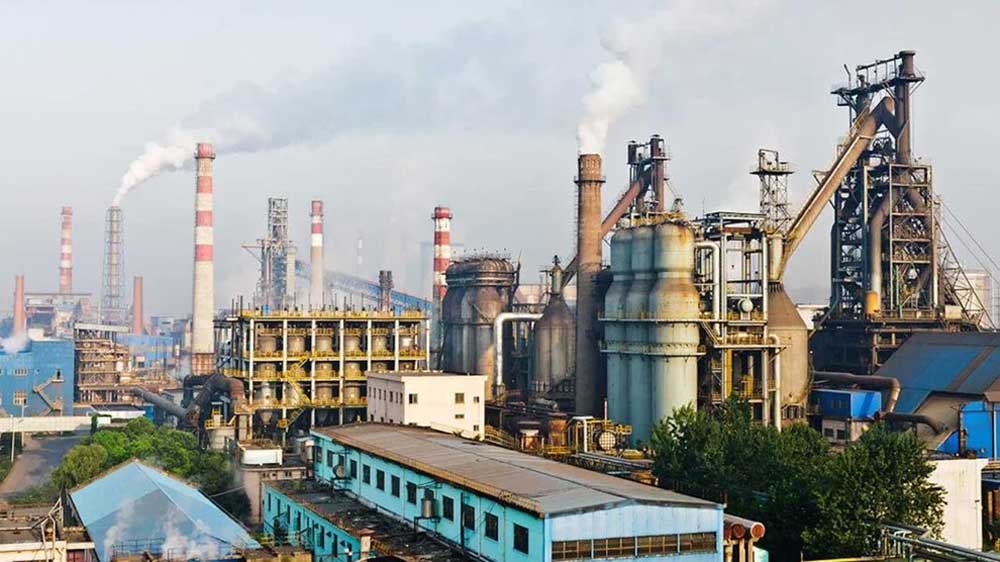
Conceived in the late 1970s as the cornerstone of Nigeria’s industrialization ambitions, the Ajaokuta Steel Complex was designed as an integrated facility with a blast furnace-basic oxygen furnace route, leveraging nearby iron ore deposits from Itakpe. Built primarily with Soviet assistance, the plant reached partial completion but never produced a single sheet of liquid steel commercially due to funding shortfalls, policy inconsistencies, legal disputes over concessions, and infrastructure gaps.
Now, more than 46 years later, successive administrations have poured billions into the project with little to show. Even in the 2026 budget, the government allocated approximately ₦6.69 billion for the plant, with over 90% going to personnel costs for maintaining staff at a non-operational facility.
Momentum Building Under Tinubu
The current push aligns with President Bola Tinubu’s Renewed Hope Agenda, which prioritizes industrialization, economic diversification, and reducing import dependence. Nigeria consumes around 10 million metric tonnes of steel annually but produces only about 1.2 million tonnes, mostly from scrap. A revived Ajaokuta could dramatically close that gap.
Key recent developments include:
Advanced talks with a Chinese investor for a $1.5–2 billion revival package. Discussions are in advanced stages, with expectations of a signed agreement before the end of 2026. The partnership would use a production-sharing model (not an outright sale), allowing the investor to recover costs through a share of output that gradually declines.
Technical assessments by Chinese engineers suggest the existing 1.3 million metric tonne rolling mill could restart within six months of serious work beginning, with ambitions to scale to 10 million tonnes annually.
Read Also:
- 300 firms compete for 50 Nigerian Oil Blocks in 2025–2026 licensing round as investment interest surges
- NCDMB Boss challenges Nigerian Oil firms to enter deepwater operations
- NCDMB, PETAN showcase Nigerian oil industry expertise at 2025 Namibia Oil and Gas Conference
- Commuters Lament As Faulty Trailer Traps Many In Hours-Long Gridlock In Ughelli
- France Ends Morocco’s Historic World Cup Dream To Reach Semi-finals
- Baron Chymaker Begins Process To Renounce Nigerian Citizenship, Awaits FG Approval
- Nigeria Must Commercialise Research To Create Jobs, Boost Manufacturing — TETFund Boss Echono
- Nobody After You, Umahi Dismisses Obi’s Death Threat
A technical audit is underway, alongside plans for mini-LNG plants and integration with Itakpe iron ore.
An MoU with the Defence Industries Corporation of Nigeria (DICON) to produce military hardware at the complex’s engineering workshops.
Economic and Strategic Impact
Officials project that a functional Ajaokuta will create thousands of direct and indirect jobs, stimulate downstream industries in construction and manufacturing, conserve foreign exchange by cutting steel imports, and support Nigeria’s ambition to build a $1 trillion economy by 2030.
The revival also ties into broader Nigeria-China cooperation, aiming to rebalance trade (currently heavily skewed toward Chinese imports) through value-added Nigerian exports. Technology transfer and training for Nigerian engineers in China are expected to form part of the package.
Many Challenges Ahead
Skeptics point to the plant’s outdated technology, past failed concessions, logistics hurdles (including port and rail upgrades), and the quality of local iron ore. Sustained political will, transparent execution, and integration of the full value chain will be essential to avoid repeating history.
Minister Audu emphasized ongoing collaboration with NNPC, the Ministry of Petroleum, and other stakeholders to ensure the gas deal translates into actual production.
For a nation rich in natural resources but long dependent on imports for basic industrial inputs, the latest developments at Ajaokuta represent more than just another headline — they signal a potential turning point. After 46 years of false starts, Africa’s largest steel dream may finally be inching toward reality.
The coming months, particularly the conclusion of the Chinese investment deal, will determine whether this is another chapter in a long saga or the beginning of Nigeria’s steel-powered industrial renaissance.