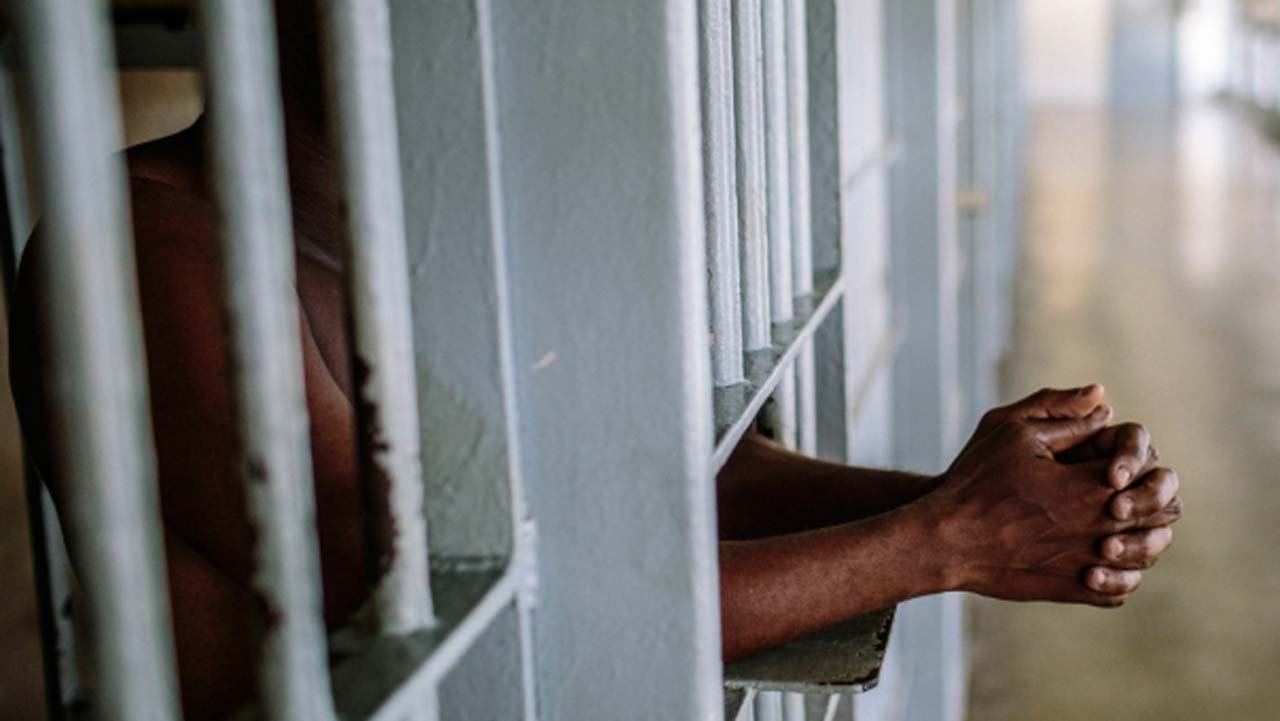
The recent case of Gospel Kinanee, a Rivers State man who reunited with his family after spending 18 years in prison, has once again drawn national attention to Nigeria’s justice system and the plight of thousands of inmates held for years without trial.
Kinanee’s story is not an isolated incident. Over the years, human rights organisations, legal advocates and investigative reports have documented several cases of Nigerians—some arrested as children—who spent years in detention while their families remained unaware of their whereabouts.
Below are five of the most notable cases.

1. Gospel Kinanee: Missing at 14, found after 18 years in prison. Gospel Kinanee disappeared from his home in Rivers State in 2007, at the age of 14. His family searched tirelessly, visiting police stations and correctional facilities in hopes of finding him, but every effort proved unsuccessful.
In a shocking twist, Kinanee was eventually discovered during a jail delivery exercise at the Port Harcourt Maximum Correctional Centre. Prison authorities had recorded him under a different identity—Baridi Sunday—making it nearly impossible for his family to locate him despite visiting the facility during their search.
Following his release, the family filed a ₦10 billion lawsuit against the federal government, alleging unlawful detention and negligence. The case has also raised concerns over the mental and psychological impact of his prolonged incarceration.
2. Solomon: Arrested at 14, orgotten behind bars Amnesty International documented the case of Solomon, who was arrested at just 14 years old on suspicion of murder.
Rather than being swiftly investigated and prosecuted, Solomon remained in prison for more than five years without returning to court. He reportedly had no legal representation and was detained alongside adult inmates in overcrowded prison conditions.
According to Amnesty International, Solomon revealed that his family had no idea where he was and likely believed he had died.
His case became one of the organisation’s strongest examples of the dangers faced by children trapped in Nigeria’s criminal justice system.
3. Haruna Shuaibu: Four years without family contact.
Haruna Shuaibu, a cattle trader from Bauchi State, was arrested in Kaduna in 2015 over an alleged robbery.
Four years into his detention, he told investigators that repeated attempts to contact his family through released inmates had failed. Throughout that period, his relatives had no knowledge of his whereabouts while he remained in custody awaiting trial.
His case highlighted the communication barriers many inmates face, particularly those detained far from their home states.
4. Junior and Prosper: Six years in prison over another man’s alleged crime. In 2014, two young Lagos residents identified as Junior and Prosper were arrested after police failed to locate their landlord, who was wanted in connection with an armed robbery investigation.
Instead of the primary suspect, the two friends were detained as alleged accomplices.
Years later, investigative reports revealed that neither had appeared before a judge despite spending approximately six years in prison.
Their prolonged detention placed enormous emotional and financial strain on their families, who struggled to secure legal assistance.
5. Rasheed Adetunji: Eight years awaiting trial. Lagos-based disc jockey Rasheed Adetunji was arrested in 2015, over allegations he consistently denied.
Despite maintaining his innocence, Adetunji spent nearly eight years in prison awaiting trial before eventually regaining his freedom.
Read also:
- Ohanaeze urges Tinubu to secure release of 1.3 Million Nigerians imprisoned in India during PM Modi’s visit
- UK court hands Nigerian man life in prison for killing his ex- girlfriend
- Ministry of Humanitarian Affairs Reaffirms Commitment to Vulnerable Nigerians at Abuja Summit
His experience became one of Nigeria’s most widely cited examples of the country’s growing population of “awaiting trial” inmates, many of whom remain incarcerated for years because of delayed investigations, congested courts and inadequate legal representation.
These cases underscore persistent concerns about Nigeria’s criminal justice system, particularly the continued existence of thousands of awaiting-trial inmates in correctional centres across the country.
Human rights organisations, including Amnesty International, have repeatedly warned that prolonged detention without trial, poor record-keeping, lost case files, limited access to legal aid and overcrowded courts continue to produce “forgotten inmates”—individuals who spend years behind bars without conviction and, in some cases, without their families knowing where they are.
The recent discovery of Gospel Kinanee has renewed calls for comprehensive prison audits, improved inmate documentation, faster judicial processes and stronger legal safeguards to prevent innocent Nigerians from disappearing into the correctional system for years.