The Delta State Executive Council has approved the recruitment of science teachers to address the shortage of teaching personnel in public secondary schools, alongside the procurement of 100 mass transit buses, comprising 50 Compressed Natural Gas (CNG) buses and 50 electric hybrid vehicles to boost public transportation across the state.
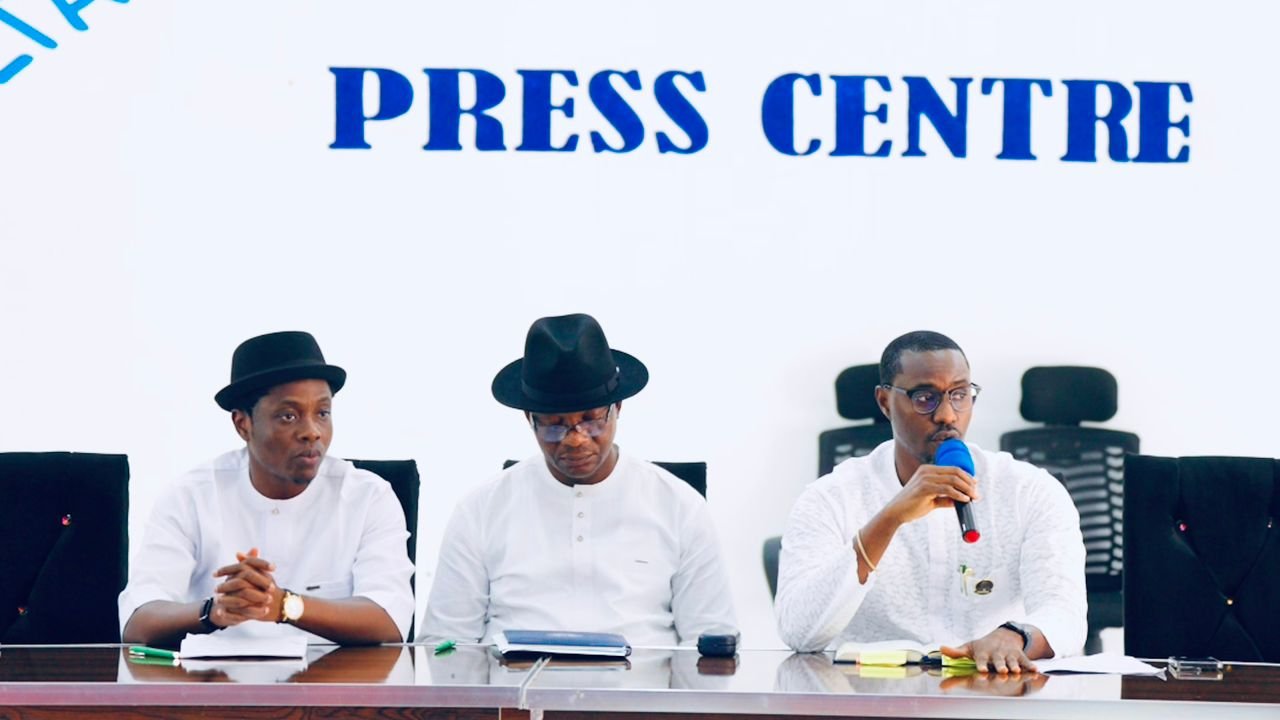
The approvals were among key decisions reached at the State Executive Council meeting held on Friday and announced during a media briefing addressed by the Commissioner for Works (Rural Roads) and Public Information, Mr. Charles Aniagwu, the Commissioner for Health, Dr. Joseph Onojaeme, and the Commissioner for Transport, Mr. Onoriode Agofure.
Aniagwu said the council expressed concern over the shortage of teachers, particularly in science-related subjects, noting that the situation was affecting the quality of education in the state’s secondary schools.

He disclosed that the Ministry of Secondary Education had been directed to immediately prepare a memo detailing the number of teachers required for recruitment to bridge the manpower gap.
The commissioner also announced that the council approved the equipping of technical schools in Otu-Jeremi, describing the move as part of the administration’s commitment to strengthening technical and vocational education across the state.
Aniagwu also disclosed that the council approved the construction of a workshop and lecture block at the Maritime Polytechnic, Burutu, as part of ongoing efforts to strengthen technical and maritime education.
He added that the council equally approved several road projects across the three senatorial districts, noting that details of the projects would be made available subsequently.
On transportation, the Transport Commissioner, Onoriode Agofure said the state government approved the purchase of 50 CNG-powered buses and 50 electric hybrid vehicles to expand and modernise the state’s mass transit system.
According to him, the decision followed findings that more than 80 percent of residents rely on public transportation for their daily movement across the state.
He explained that the coancil lso approved the construction of ultra-modern mega bus terminals in Asaba and Warri, to streamline transport operations and eliminate the proliferation of scattered motor parks, especially around the Koka Junction axis of Asaba.
Agofure noted that all existing parks would eventually be relocated to the new terminals to improve traffic management, enhance environmental aesthetics and provide better passenger facilities.
Providing updates on the health sector, the Commissioner for Health, Dr. Joseph Onojaeme, disclosed that the council approved the equipping of the general hospital project, originally awarded in 2011 and now completed, ahead of its inauguration for public use.
Read also:
- Delta government hails rapid progress on N39.3bn Ughelli Flyover
- Delta Government warns civil servants on foreign accounts, tightens asset declaration compliance
- Delta Government approves 700 Health Workers, expands training capacity at Ovrode College of Health
He further revealed that the council approved the ceding of the Central Hospital, Kwale, as the take-off facility for the Federal University of Medical and Health Sciences Teaching Hospital.
According to him, the development would significantly expand healthcare services while creating employment opportunities for residents.
The commissioner also announced approvals for equipping the state’s public health laboratory to enable in-state diagnosis of diseases such as Ebola and Lassa fever, eliminating the need to send samples outside Delta State.
He added that government approved the upgrading of psychiatric units in hospitals across the state in response to rising cases of substance abuse, as well as the establishment of oncology facilities that would provide chemotherapy and radiotherapy services locally, reducing the need for cancer patients to travel outside the state for treatment.