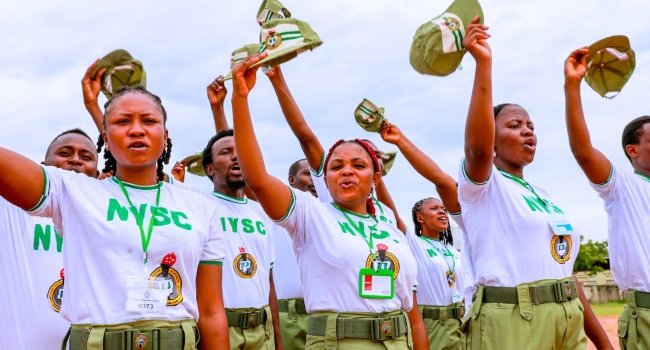
The Federal Executive Council (FEC) has approved a comprehensive overhaul of the National Youth Service Corps (NYSC), marking the first holistic reform of the 53-year-old scheme. Announced on June 29, 2026, these changes aim to shift the NYSC from a primarily mobilization and unity-focused program to a skills-driven, productivity-oriented, and youth-empowering institution.

This reform responds to long-standing criticisms: unsafe deployments, outdated orientation programs, skill mismatches, poor welfare, and limited long-term benefits for participants. The government, working with the Ministry of Youth Development, Ministry of Education, and other stakeholders, seeks to better align the scheme with Nigeria’s economic goals, including building a $1 trillion economy.
Key Changes in the New NYSC ReformCivilian Leadership: The NYSC will now be headed by a civilian Director-General instead of a serving military officer. The military will continue providing security support nationwide.
Technology-Driven and Risk-Sensitive Deployment: Call-up processes will become more digital. Deployments will prioritize safety by considering security risks, reducing postings to high-danger areas.
Redesigned 6-Week Orientation Programme: The traditional 3-week camp extends to six weeks. It will emphasize leadership, entrepreneurship, digital skills, and specialized career streams, moving beyond parades and drills.
Skills-Based Primary Assignments: Postings will better align with graduates’ academic backgrounds and career paths, rather than generic placements (e.g., a Computer Science graduate teaching in a school without resources).
Improved Camp Standards: A national grading and certification system will ensure better living conditions across camps.
New Graduation Ceremony: The Passing Out Parade (POP) will be replaced by a professional graduation ceremony.
Redesigned Uniform: New attire will reflect professionalism and national pride, replacing the current military-style look.
Legislative Backing: The NYSC Act and regulations will be amended to enable full implementation.
How the NYSC Reform Affects You (as a Prospective or Current Corps Member)
For Prospective Corps Members (Graduates): Better Skills and Employability: You will gain practical training in entrepreneurship, digital skills, and leadership during orientation and service. This could equip you with tools for self-employment or better job prospects after service, rather than just a certificate and allowance.
Safer Service Year: Risk-sensitive deployment means lower chances of being sent to insecure areas, addressing a major safety concern for many families.
Relevant Postings: Assignments should match your field of study more closely, making the year more productive and less frustrating.
Professional Experience: A more structured program with civilian leadership and modern standards could feel less like mandatory military-style service and more like a career bridging program.
Potential Challenges:The extended orientation (6 weeks) means a longer initial commitment.
Full benefits will depend on effective implementation, funding, and state-level support.
Allowances (currently around ₦77,000 monthly) are not explicitly mentioned as increasing, so economic pressures during service may persist.
Read Also:
- JAMB not responsible for HND admissions, NYSC mobilisation issues – Oloyede
- Abducted NYSC member appears in new video, denies rumored death
- NYSC boss lauds army’s support in safeguarding corps members in Taraba
For Current or Recent Corps Members:If you are already serving or just completed service under the old system, the changes won’t apply retroactively. However, the reform signals a shift that could improve the program’s reputation and value of the NYSC certificate over time.
Broader National Impact:The NYSC was created post-civil war to promote national unity through inter-state postings and cultural integration. The reform preserves this core while adding economic value. Corps members could become a stronger workforce pipeline, contributing more meaningfully to rural development, education, health, and innovation.
What This Means for Nigeria’s Youth
Many young Nigerians have viewed NYSC as a wasteful year of low pay, irrelevant tasks, and risks. These reforms, if well-implemented, could turn it into a genuine investment in your future — combining national service with personal development.
Success will hinge on execution: adequate funding for camps and skills programs, transparent digital systems, genuine alignment of postings, and collaboration with private sector for entrepreneurship opportunities.The NYSC is not being scrapped — it is evolving.
For millions of Nigerian graduates each year, this could mean a service year that doesn’t just tick a box for jobs and further education, but actually equips you with skills, networks, and experiences that matter in today’s economy.