
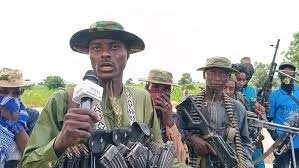
The United Nations Security Council has released its updated consolidated sanctions list for 2026, naming several individuals and organisations linked to terrorism and extremist activities in Nigeria and across West Africa.
Key Highlights:
- The United Nations Security Council released its updated 2026 sanctions list targeting terrorist groups and individuals.
- The list includes Boko Haram, its former leader Abubakar Shekau, and Islamic State West Africa Province.
- Jama’atu Ansaril Muslimina Fi Biladis Sudan was also named for its involvement in extremist activities.
- Regional terrorist groups such as Al-Qaeda in the Islamic Maghreb and Al Moulathamoun remain on the list.
- The sanctions aim to restrict funding, travel, arms access, and support networks for terrorist organisations.
The list, updated on June 1 and released Tuesday, is part of global efforts to disrupt terrorist networks by restricting access to funding, international travel, arms supplies and other forms of support.

Among those named is the late Boko Haram leader, Abubakar Shekau, who remains on the sanctions register because of his role in terrorist activities that caused widespread violence and instability in Nigeria and neighbouring countries.
Also listed is Boko Haram, the extremist group responsible for numerous attacks, kidnappings and killings across northeastern Nigeria and parts of the Lake Chad region.
The UN sanctions list further includes ISIS-West Africa (ISWAP), one of the most active terrorist groups operating in Nigeria.
The group has carried out deadly attacks on both security forces and civilian communities in recent years.
Another Nigerian-based organisation on the list is Jama’atu Ansaril Muslimina Fi Biladis Sudan, popularly known as Ansaru.
The group has been linked to kidnappings, attacks on civilians and other extremist operations.
Read also:
- United Nations intervention in the Sahel crisis: what implications
- Sheikh Gumi describes killing Of ISIS commander as “religious obligation”
- Military reveals fresh details of slain ISIS commander’s activities in Nigeria
The sanctions also cover transnational terrorist organisations with activities extending into Nigeria, including Al-Qaida in the Islamic Maghreb (AQIM) and Al Moulathamoun, both of which have operated across parts of the Sahel and West Africa.
According to the UN, the sanctions are designed to weaken terrorist organisations by cutting off financial resources, limiting international movements and disrupting support networks that enable violent activities.
The updated list highlights the continued security challenges facing Nigeria and the wider West African region, where governments and international partners are working to combat terrorism, insurgency and cross-border criminal networks.
The UN uses sanctions as one of its key tools for maintaining international peace and security, particularly against groups and individuals involved in terrorism and armed conflict.