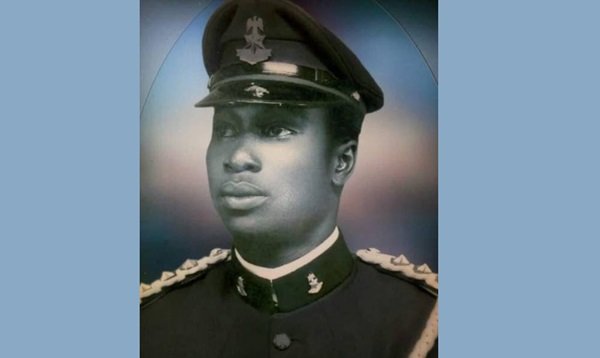
The Movement for the Survival of the Izon Ethnic Nationality in the Niger Delta (MOSIEND) on Sunday called for renewed national reflection on the unresolved issues of justice, equity and development in the Niger Delta.
Key Highlights:

- MOSIEND called for renewed national reflection on justice, equity, and development issues in the Niger Delta during the 58th Boro Day.
- The group said Major Jasper Adaka Boro should be remembered as a symbol of broader Niger Delta struggles, not just an Ijaw hero.
- It argued that key grievances like environmental damage, weak fiscal federalism, and resource control remain unresolved.
- MOSIEND urged the federal government to review policies such as the Land Use Act and improve host community participation in oil governance.
- The group also called for unity among Ijaw people and broader Niger Delta cooperation to strengthen advocacy for regional development.
In a statement to mark the 58th anniversary of late Niger Delta activist, Major Jasper Adaka Boro, the group said the late activist should be remembered not only as an Ijaw hero, but as a symbol of the collective struggle of minority ethnic nationalities across the Niger Delta.
The statement siigned by the National President of MOSIEND, Kenedy Tonjo-West.stated that Boro’s agitation transcended ethnic boundaries and focused on the emancipation, dignity and equitable treatment of oppressed communities in the oil-rich region.
The organisation warned against reducing Boro’s Day to “an Ijaw youth event alone,”
It noted that such a narrow interpretation diminishes the broader significance of Boro’s sacrifices for the Niger Delta people.
According to the group, many of the grievances identified by Boro over five decades ago remain unresolved, including structural imbalance in resource ownership, weak fiscal federalism, environmental degradation, political exclusion and policies perceived as hostile to oil-producing communities.
The group also criticised the continued implementation of laws such as the Land Use Act, arguing that host communities continue to bear the environmental and economic burden of oil exploration without corresponding development.
MOSIEND further urged President Bola Tinubu to reconsider the practice of serving simultaneously as substantive minister of petroleum, stressing that effective governance requires accountability, institutional specialisation and transparent oversight.
Read also:
- PINL launches Niger Delta’s largest Christmas CSR programme, reaches 800 residents in Bayelsa
- Nigeria’s public debt rises to N152.40tn in Q2 2025, up by N3.01tn in 3 months
- Nigeria mourns as CITN’s first President, David Olorunleke passes away
It argued that if direct presidential supervision is considered necessary in the petroleum sector, similar arrangements should also apply to other strategic sectors such as defence and solid minerals.
The organisation also called on the federal government to revisit policies limiting host community participation and to address long-standing demands for restructuring and fiscal federalism, which it described as critical to national stability and justice.
Expressing concern over the slow pace of marine and blue economy development in the Niger Delta, MOSIEND said the region’s vast maritime potential has remained largely underutilised compared to developments in other parts of the country.
The group also appealed to the Ijaw nation to embrace unity and peaceful engagement, warning that internal divisions continue to weaken collective advocacy efforts in the region.
MOSIEND urged Niger Deltans to rise above ethnic differences and work together for the advancement of the region, while calling on Nigeria to address lingering questions surrounding justice, constitutional balance and national inclusion.
The organisation described the 58th Boro’s Day anniversary as not only a remembrance of history, but also a reminder that the issues raised by Boro during his lifetime remain relevant in contemporary Nigeria.