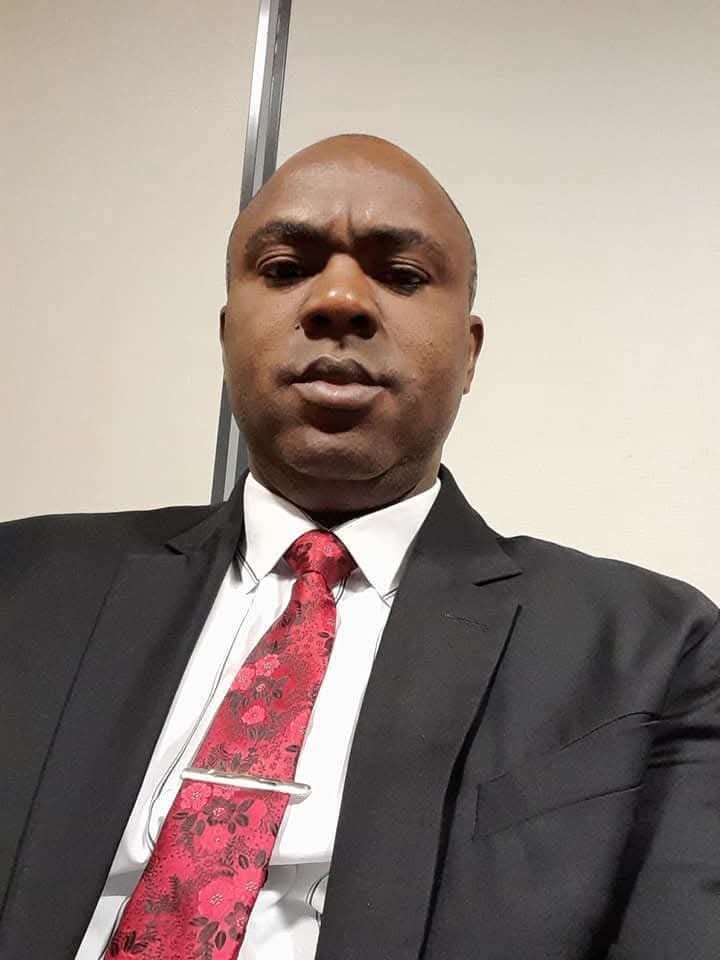
The National President of the Izhi Tehu Foundation (ITF), Christopher Agbo, has delivered a blunt warning to Nigeria’s political leaders to urgently fix the country’s deep-rooted governance failures or risk electoral rejection in 2027.
In an exclusive interview yesterday in Abakaliki, Agbo, who also serves as a senior manager at the Central Bank of Nigeria (CBN), linked the nation’s worsening insecurity, economic hardship, and declining living standards to corruption, weak institutions, and poor policy execution.
According to him, governance in Nigeria has fallen far short of expectations, as citizens continue to grapple with rising costs of living, inadequate infrastructure, and limited access to quality healthcare and education.

“Leadership must become more proactive, accountable, and people-oriented. If these issues are not addressed decisively, Nigerians will respond accordingly in 2027,” he said.
Agbo described good governance as the deliberate provision of critical social amenities that directly improve citizens’ quality of life.
He identified key areas, such as infrastructure, healthcare, education, and transportation as fundamental benchmarks for assessing government performance.
He stressed that reliable electricity, functional road networks, and access to clean water remain basic necessities that are still out of reach for many Nigerians.
In the health sector, he called for well-equipped facilities, skilled personnel, affordable services, and a functional health insurance system that accommodates low-income earners.
On education, he advocated for improved learning environments, qualified teachers, modern instructional materials, and expanded opportunities for extracurricular and skill-based development.
“Transportation is equally critical because it affects the cost of goods and overall economic productivity. A government that is serious must ensure a safe, efficient, and affordable transport system,” he added.
Speaking on accountability, Agbo noted that poverty, fear, and entrenched ethnic and religious loyalties often weaken citizens’ ability to hold leaders responsible.
He, however, emphasised the need for a stronger civil society and increased civic awareness to counter these challenges.
He highlighted the growing role of digital platforms in promoting transparency and citizen engagement, noting that social media tools have become powerful channels for advocacy and public discourse.
“Citizens must begin to see politics not as a means of survival but as a platform for service. Economic empowerment is key to reducing political manipulation and strengthening democratic participation,” he said.
Agbo also underscored the importance of credible elections, warning that flawed electoral processes undermine accountability and embolden poor leadership.
He called for greater transparency from polling units to collation centres, as well as active citizen participation in reporting irregularities and seeking legal redress.
Read also:
- Coalition vows to end ‘Feudal Politics’ in Adamawa, backs Fintiri’s legacy
- Portable sparks outrage over ‘Vote or Face War’ remark as 2027 politics heats up
- Fani-Kayode, Dele Momodu clash over politics as war of words escalates
On institutional reforms, he said non-political organisations have critical roles to play through policy advocacy, monitoring, and technical support.
He advocated for the automation and digitization of government processes to enhance efficiency and reduce corruption.
He further called for stricter adherence to public procurement laws, competitive bidding, and improved monitoring of public projects to ensure value for money.