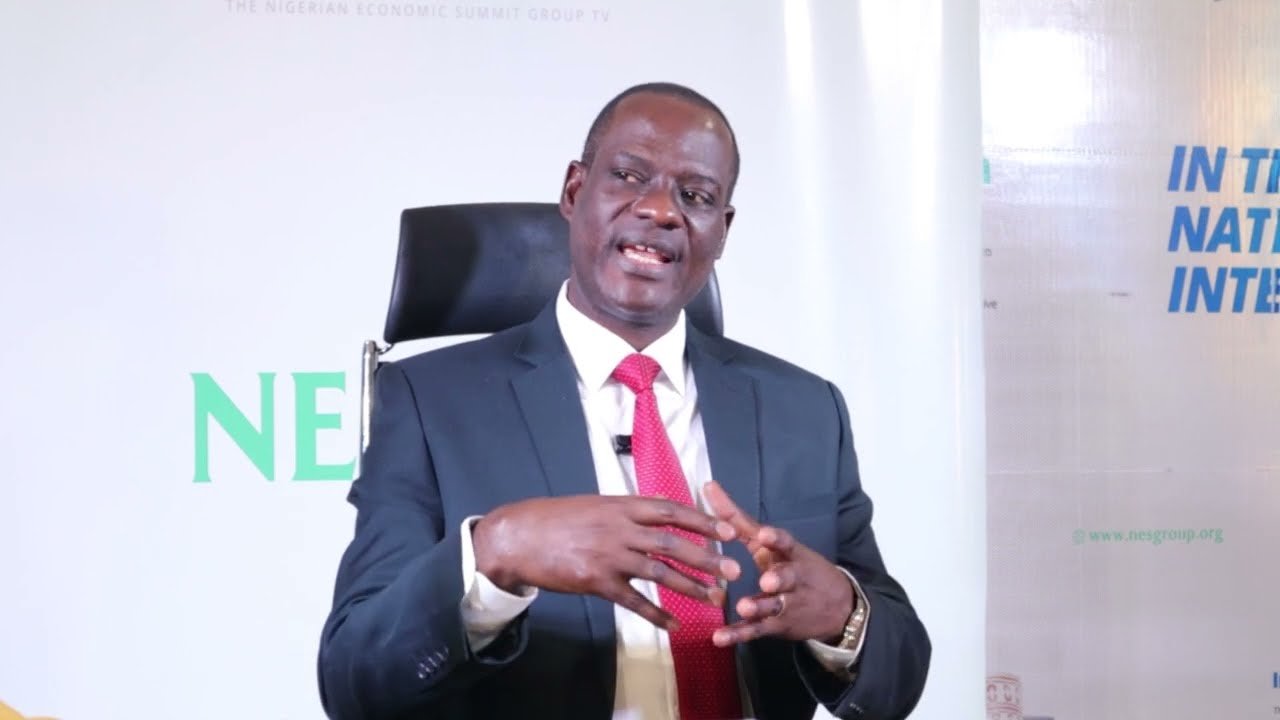
The Minister of State for Finance, Taiwo Oyedele, has admitted that the newly introduced tax reform laws contain errors, assuring Nigerians that corrective measures are already underway.
Oyedele made this known while speaking at the Nigerian Bar Association Section on Legal Practice conference themed “From Policy to Practice: Making Sense of Nigeria’s New Tax Reforms.”
He explained that the discrepancies stemmed from lapses during the lawmaking process.

According to him, the errors were largely due to manual processes and the multiple stages involved in reviewing the legislation.
He noted that a legislative probe is currently ongoing to identify and address the issues.
The minister revealed that the identified gaps would be corrected through a proposed Finance Bill.
He also emphasized the need for a more transparent legislative system, where all versions of laws are publicly accessible to avoid similar mistakes in the future.
“What we need is a more transparent and reliable legislative process,” Oyedele said, stressing that enforcement of the reforms would not be arbitrary.
He maintained that the reforms are built on principles of transparency, fairness, and clear policy intent, urging stakeholders to focus on the rationale behind tax laws when interpreting them.
Highlighting longstanding challenges in Nigeria’s tax system, Oyedele said inconsistencies in policy implementation have discouraged business formalisation and weakened investor confidence.
Read also:
- Akwa Ibom Tax Reform Bills to ease burden on low-income earners, boost SMEs – Revenue Boss.
- Tax reforms not the problem, trust deficit is — MSSN
- NBA calls for investigation, suspension of controversial Tax Reform Act
“If policies can change overnight, it sends the wrong signal to investors. Consistency is critical,” he added.
He further explained that the new tax reforms are designed to promote fairness, protect low-income earners, and ease the burden on small businesses.
Oyedele noted that imposing taxes on Nigerians earning around ₦1 million annually or less would be unjust, pointing out that nearly half of the country’s workforce earns below ₦70,000 monthly.
Additionally, he stated that the reforms eliminate minimum tax for loss-making businesses, describing the previous system as one that effectively taxed capital rather than profit.