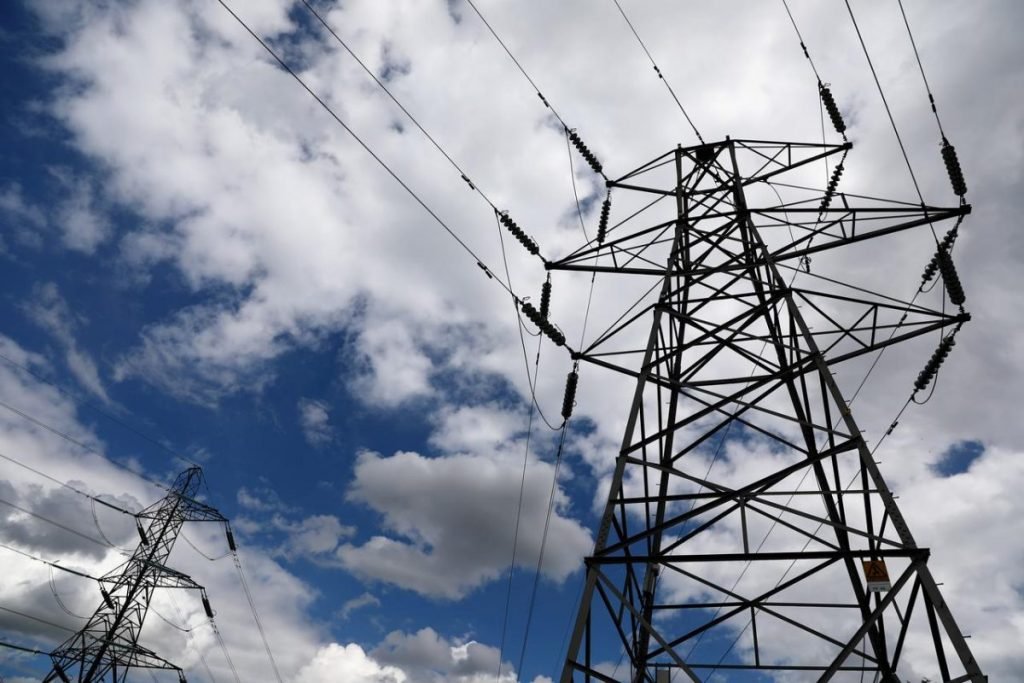
The Transmission Company of Nigeria, with the African Development Bank, has started a Resettlement Action Plan. The plan supports rebuilding and upgrading the 138-kilometer Alaoji–Onitsha 330kV transmission line.
The project involves upgrading the existing single-circuit line to a 330kV double-circuit quad-conductor transmission system, a move expected to significantly boost grid capacity and improve power delivery efficiency across the South East.

According to TCN, compensation for Project Affected Persons was conducted between March 31 and April 2, 2026, across key sections of the transmission corridor in Abia and Imo states, covering eight Local Government Areas. Authorities confirmed that beneficiaries have been given a 90-day window to vacate the Right-of-Way to enable construction activities to begin.
An official of the AfDB Project Implementation Unit, Mr Aromeh Adole, noted that the upgrade would multiply the capacity of the existing infrastructure by four, marking a major step in strengthening bulk electricity transmission in the region.
Read Also:
- TCN projects 624MW boost to national grid as Abuja power substations near completion
- TCN cancels planned maintenance power outage in Enugu – MainPower
- Vandals caused collapse of Tower T35 on Eket/Ikot Abasi 132kV transmission line-TCN
The Acting Project Manager of the Nigeria Transmission Expansion Project under the TCN-AfDB partnership, Engineer Edeh Obiora Alexander, commended the leadership of TCN and the Federal Government for facilitating timely funding and execution of the initiative.
The project is expected to be completed within 18 months and will enhance electricity supply to key areas, including Alaoji, Port Harcourt, Abia State, and the wider South East region. It is also projected to reduce transmission losses and improve overall grid stability.
TCN described the upgrade as a critical component of its long-term strategy to expand Nigeria’s national grid infrastructure and ensure more reliable electricity supply for both industrial and residential consumers.