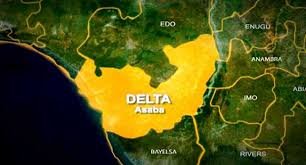
A civil society organisation, Global Peace Development, in collaboration with ActionAid Nigeria, has raised alarm over worsening neglect of rural communities in Delta State, urging citizens to demand greater accountability from government authorities.
The concerns were highlighted by the Executive Director of Global Peace Development Nigeria, Ebruke Esike, during a stakeholders’ roundtable and inception meeting of the Local Rights Programme held in Asaba.

Esike pointed to poor conditions in key public institutions across communities such as Oter-Iyede, Erawha, Uro-Irri, Idheze-Irri, and Ukpude-Aviara in Isoko North and South Local Government Areas, despite what he described as the state’s abundant resources.
He cited Ukpude Primary School in Aviara, which reportedly operates with just a headmistress, one teacher, and a non-academic staff member, as a clear example of the education sector’s challenges. He also drew attention to the Idheze Primary Health Centre, said to be run by a single nurse without any form of security.
In Erawha, Esike noted that although classroom structures exist, there is a severe shortage of furniture, with only a few desks available for pupils. Similar conditions were reported in Uro-Irri Primary School, reflecting a broader pattern of infrastructural decay.
Read Also:
- Delta Government, NDDC, Chevron partner on Omadino–Okerenkoko–Escravos Road, Bridges project
- Delta Government pays February stipends to 10,000 Widows
- Delta Government throws open registration for Tertiary Institutions Entrepreneurship Programme, targets student innovators
According to him, such deficiencies continue to undermine access to quality education and healthcare, leaving many residents without basic services.
While emphasising that government bears the primary responsibility for addressing these gaps, Esike urged citizens to take a more active role in governance by demanding better service delivery.
He explained that the Local Rights Programme is designed to strengthen the participation of women and girls in decision-making processes, while also encouraging communities to engage authorities more effectively.
“Government is not doing anyone a favour by providing infrastructure. It is a responsibility tied to the commonwealth,” he said, calling for a stronger demand-driven approach to governance.
Also speaking, the Advisor on Partnership and the Local Rights Programme at ActionAid Nigeria, Hajar Opakwa Adamu, described the initiative as a platform to amplify the voices of marginalised rural populations.
She said the programme seeks to bridge development gaps by enabling communities to articulate their needs and engage with relevant stakeholders, stressing that meaningful progress depends on collaboration between citizens, civil society groups, and government institutions.
Community leaders at the event echoed concerns over the disconnect between government and grassroots populations, calling for improved communication channels and more responsive governance structures.
The development has renewed focus on rural infrastructure, social justice, and inclusive governance in Delta State, with stakeholders insisting that sustained advocacy and citizen engagement remain key to driving change.