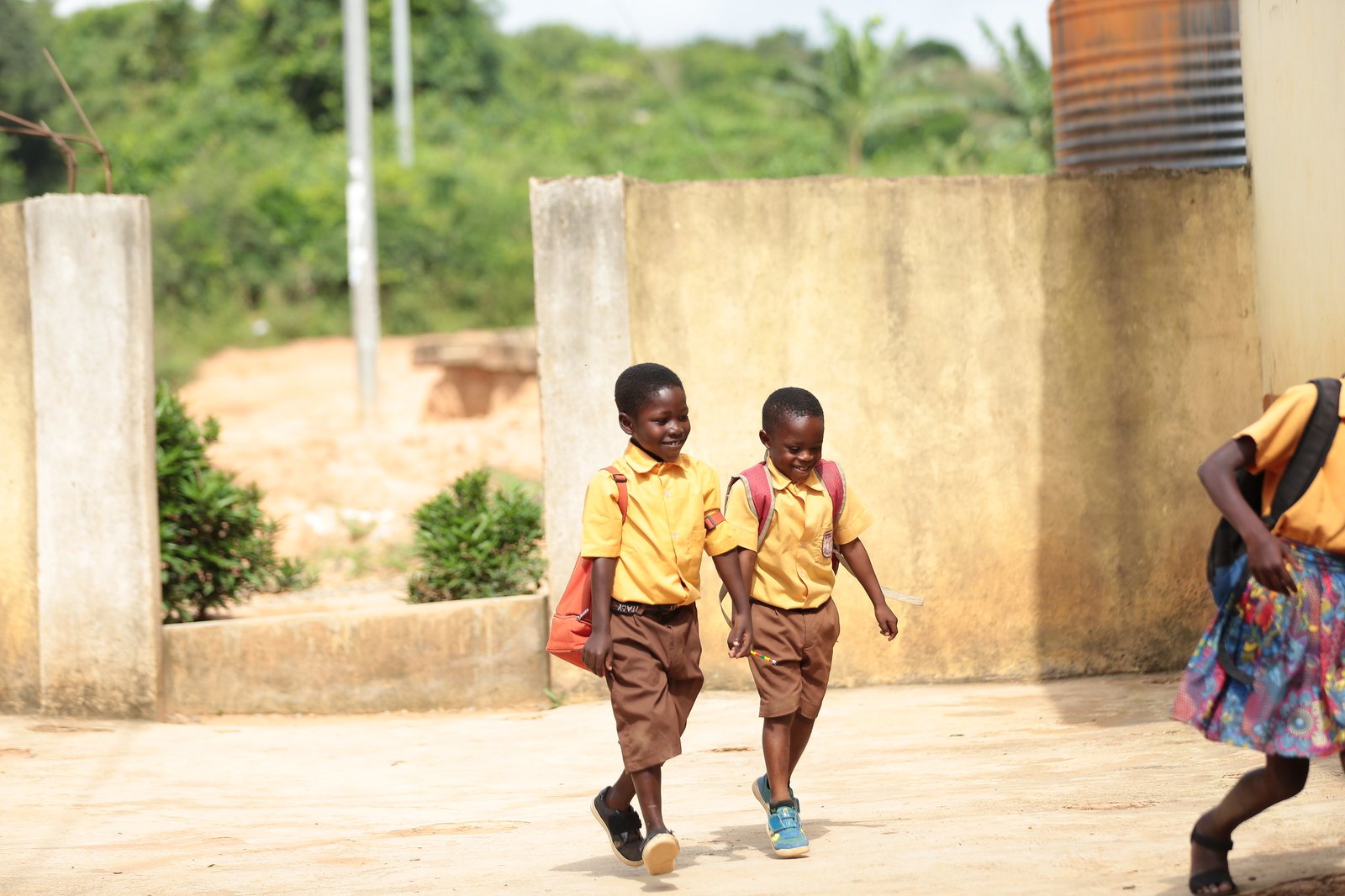
The United Nations Educational, Scientific and Cultural Organization (UNESCO) has revealed that no fewer than 273 million children and young people are currently out of school worldwide, underscoring a worsening global education crisis.
The alarming figure was contained in UNESCO’s 2026 Global Education Monitoring Report released on Wednesday, which showed that the number of out-of-school children has increased for the seventh consecutive year.

According to the report, one in every six school-age children globally is excluded from education, while only two out of three complete secondary school, highlighting deep structural gaps in access to learning.
UNESCO noted that progress in expanding access to education has significantly slowed since 2015 across most regions, with sub-Saharan Africa identified as the worst-hit.
“Progress in keeping children in school has slowed across almost every region,” the report stated, attributing the trend largely to persistent conflicts and rapid population growth.
The situation is particularly dire in conflict-affected areas, where millions of children remain out of school, with actual figures believed to be higher than official estimates.
Despite the grim outlook, the agency acknowledged notable progress recorded over the past two decades, stating that global school enrolment has improved considerably since 2000.
Read Also:
- Kano hosts 2025 UNESCO World Heritage program to boost state’s world heritage bid
- Kano renews partnership with UNESCO, Korea for Youth Skills Development
- Gov Diri canvasses private sector involvement in UNESCO, EU-funded Project for Education
It added that more than 25 additional children have gained access to education every minute over the period, while some countries have made significant strides in reducing out-of-school rates.
However, UNESCO warned that there is no one-size-fits-all solution to the crisis, stressing the need for targeted policies and sustained investments tailored to specific national and regional challenges.
The organisation urged governments and stakeholders to intensify efforts to ensure inclusive and equitable quality education for all children, warning that failure to act could further widen inequality and limit future economic growth.