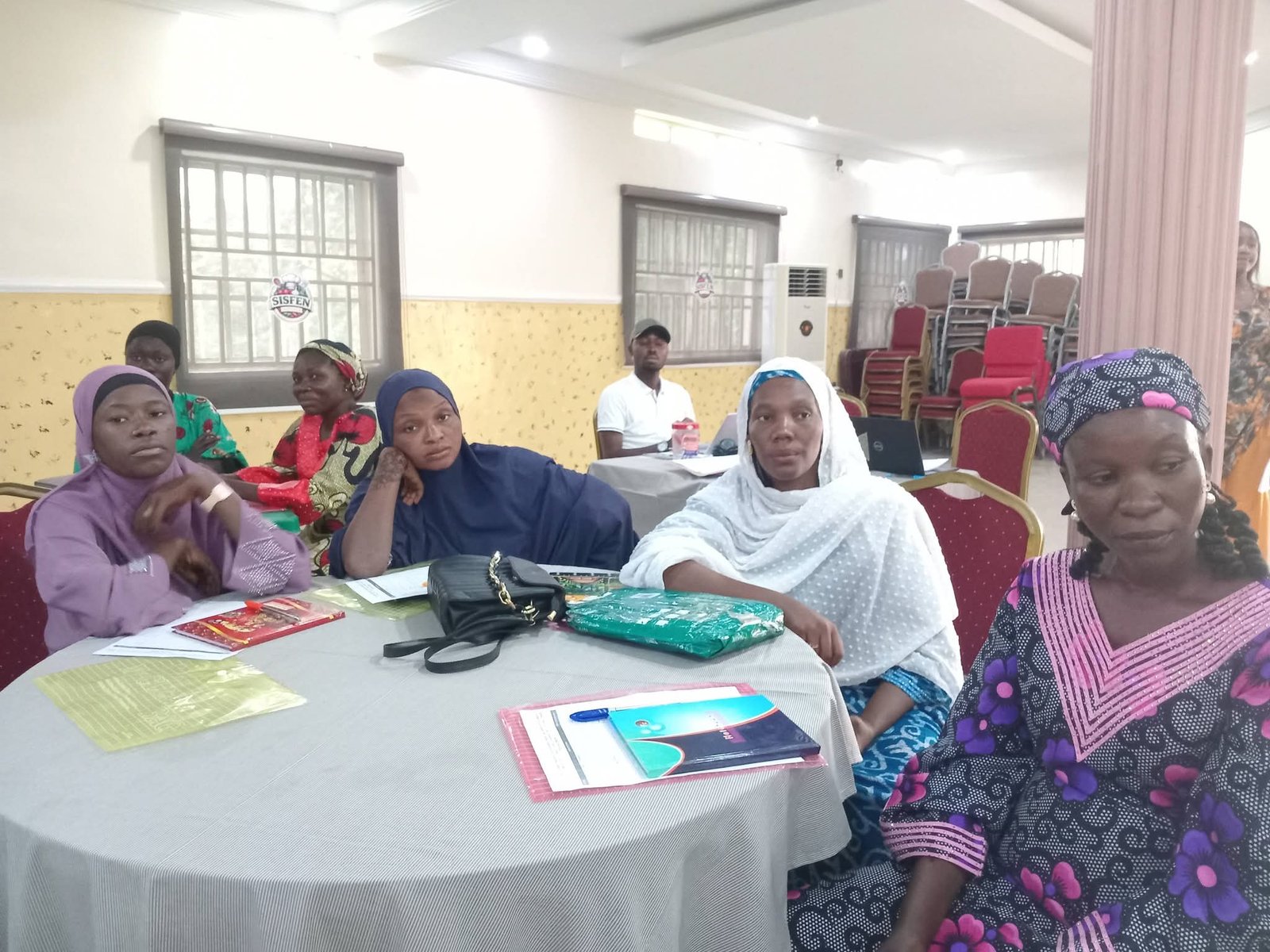
In a strategic move to strengthen adolescent sexual and reproductive health services, the Taraba State Primary Health Care Development Agency, in collaboration with development partners, has commenced the training of selected “Big Sisters” across the state.
The four-day training, which heralded the presence of participants from Zing and Lau Local Government Councils, are pilot locations for the initiative, which began on Tuesday in Jalingo, the state capital.

The programme is designed to equip participants with the knowledge and skills needed to address pressing challenges affecting adolescent girls in their communities.
Speaking at the opening session, officials highlighted the importance of community-based support systems in improving health outcomes for young girls, particularly in underserved areas.
Read Also:
- Taraba judicial reform gains momentum as CJ receives court rules
- Gov. Fintiri’s supporter trekking from Taraba arrives Yola
- Bandit violence claims lives of 3 officers, vigilante chairman in Taraba
The ‘Big Sisters’ initiative, according to the officials, aims to bridge gaps in access to accurate information, guidance, and emotional support.
Participants, the officials said will undergo intensive sessions focused on adolescent sexual and reproductive health, communication skills, and peer mentorship.
“Upon completion, they are expected to serve as trusted confidants and resource persons, offering timely counselling and advice to girls navigating complex social and health-related issues”,.one of the officials said.
The initiative introduces a structured support system where trained mentors, referred to as ‘Big Sisters’ will play a critical role in empowering young girls to make informed decisions about their health and wellbeing.
Stakeholders believe that by leveraging peer support and community trust, the program will contribute significantly to reducing misinformation, improving health-seeking behavior, and fostering confidence among adolescent girls in Taraba State.
The training marks a significant step in the state’s broader commitment to advancing primary healthcare and safeguarding the future of its young population.