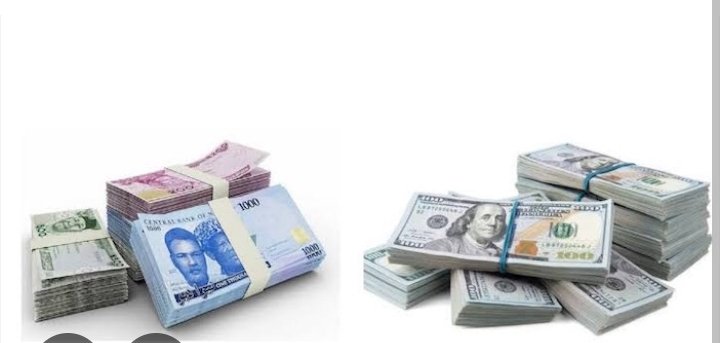
The naira began trading on Monday at about ₦1,356.74 to the dollar in the official market, following a period of mild fluctuations recorded earlier in March.
In recent sessions, the exchange rate has hovered in the range of roughly ₦1,344 to ₦1,370, reflecting ongoing but moderate volatility in the market.

Figures from the Nigerian Foreign Exchange Market (NFEM) indicate that the naira recently touched an intraday high of around ₦1,362.00, while average closing rates have remained close to ₦1,355.
The currency’s performance has been supported by broader economic factors, particularly improvements in Nigeria’s external reserves.
Read also:
- NELFUND extends student loan application deadline for 2025/2026 academic session
- Nigeria oil output rebounds as Shell concludes turnaround maintenance of Bonga FPSO
- Nigeria’s debt service drops 38.5% to $405.3m in January amid lower borrowing costs
Strengthened by stable crude oil output, estimated at 1.46 million barrels per day, and relatively favourable global oil prices, reserves have hovered near the $50 billion level.
Monetary policy decisions by the Central Bank of Nigeria have also played a role.
The bank has maintained a tight policy stance, keeping interest rates elevated in a bid to curb inflation, which recently eased to about 15.10 percent.
Market sentiment has further been bolstered by investor confidence, especially after the apex bank confirmed that 30 major financial institutions complied with its new capital requirements ahead of the March 31 deadline.