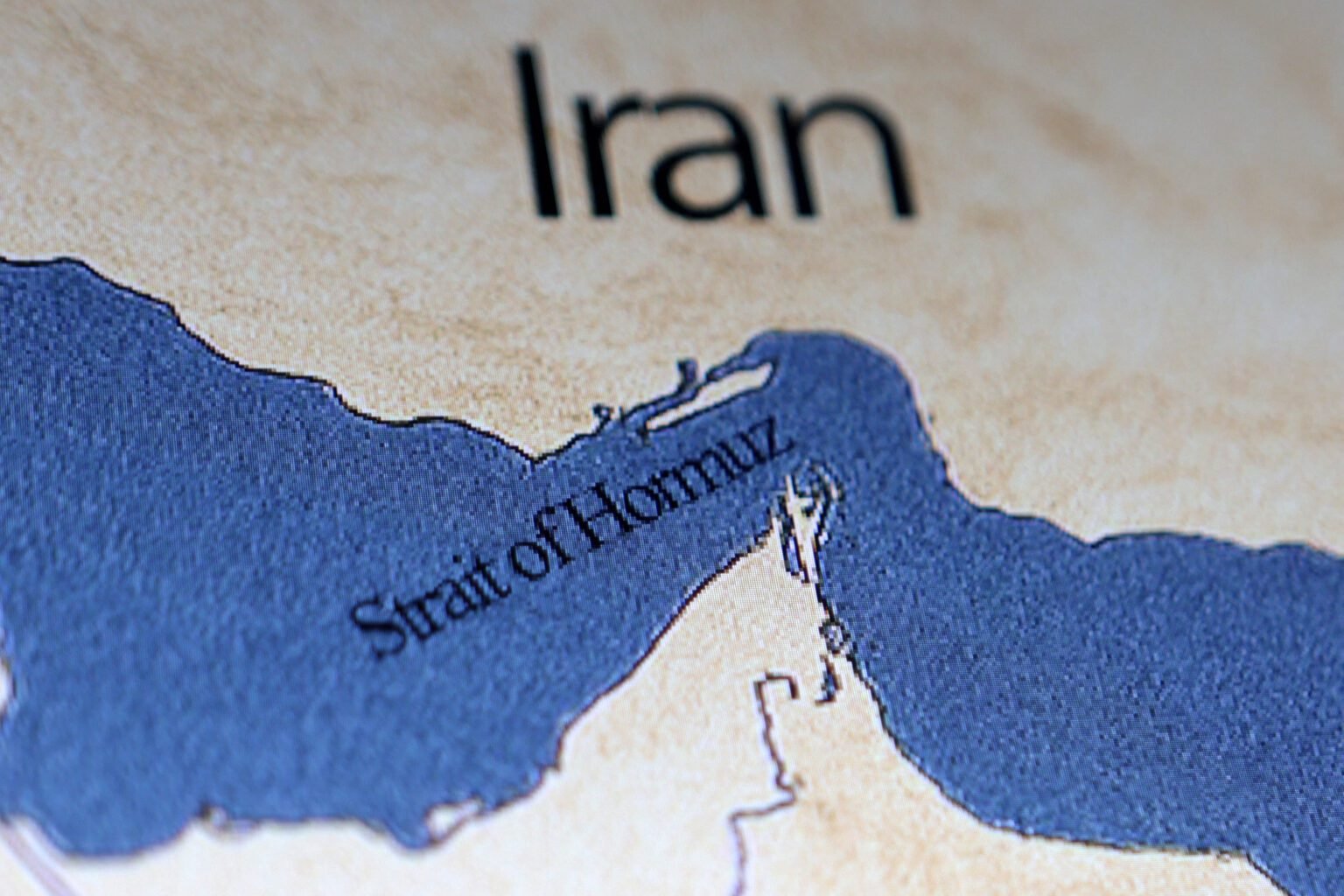
Tension in the Middle East has escalated sharply after Iran warned it would “completely close” the Strait of Hormuz if the United States follows through on threats to strike its energy infrastructure.
The warning comes after U.S. President Donald Trump issued a dramatic 48-hour ultimatum, demanding that Iran reopen the critical oil transit route or face severe military consequences.

Trump reportedly threatened to “obliterate” Iran’s power plants if the waterway remains blocked.
The Strait of Hormuz, one of the world’s most vital oil chokepoints, handles a significant share of global oil shipments, making any disruption a major concern for international markets and energy security.
Iran’s latest stance signals a potential escalation that could have far-reaching economic and geopolitical consequences, particularly for countries heavily reliant on oil imports passing through the narrow passage.
Meanwhile, civilians within Iran are expressing deep concern over the unfolding crisis. In an interview with reporters, a resident of Tehran said she feared the impact of possible strikes on critical infrastructure.
Read also:
- Nigeria inflation drops to 15.10% in January 2026 as food prices fall after CPI rebasing – NBS
- MPAC condemns Israeli envoy’s allegations, urges Nigeria to safeguard national stability
- Guinea pushes for 1976 AFCON title as CAF faces pressure over consistency
“I’m terribly worried that without electricity, Iran will be destroyed,” she said, highlighting the anxiety among ordinary citizens.
Analysts warn that any military confrontation involving the Strait of Hormuz could trigger a global energy shock, spike oil prices, and further destabilize an already volatile region.
As the deadline set by Washington approaches, the international community is closely watching for signs of de-escalation or further confrontation between the two long-time adversaries.