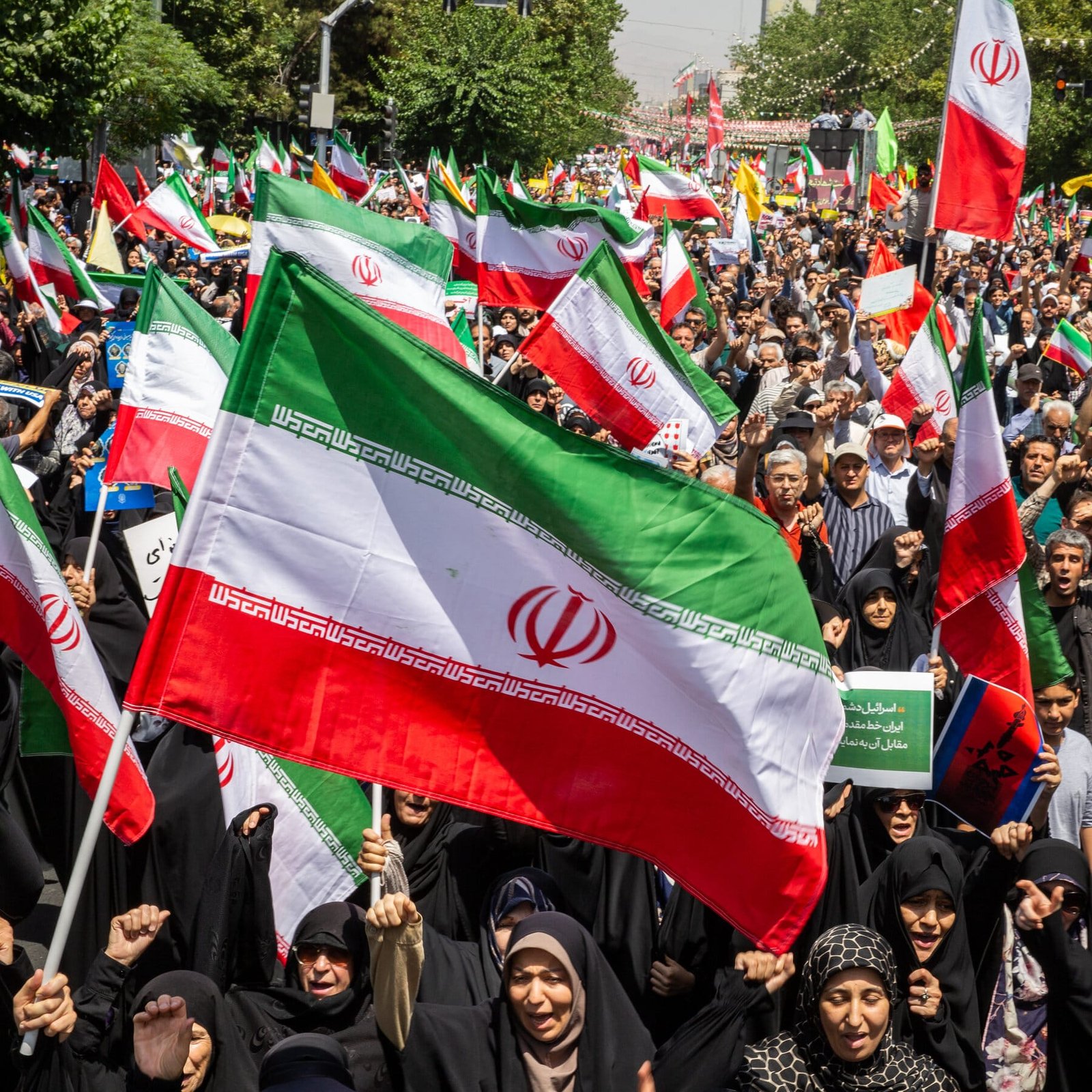
Iran’s powerful clerical body, the Assembly of Experts, has reportedly reached a decision on who will become the country’s next supreme leader following the death of longtime leader Ali Khamenei.
However, the council has not yet publicly disclosed the identity of the selected successor.

A member of the 88-member body, Mohsen Heidari Alekasir, revealed that a majority of the council had agreed on the most suitable candidate to assume the influential position.
“The most suitable candidate, approved by the majority of the Assembly of Experts, has been determined,” Alekasir said on Sunday, according to Iran’s state-linked Iranian Students’ News Agency (ISNA).
Another member of the assembly, Mohammad Mehdi Mirbagheri, also confirmed that the body had reached a strong consensus on the choice, describing it as a firm decision supported by most members.
Alekasir further hinted that the next leader could be someone strongly opposed by the United States, suggesting that Washington’s stance influenced discussions surrounding the selection.
According to him, Iranian officials often view individuals rejected by the United States as more likely to defend the interests of Iran and Islam. Iranian leaders have frequently referred to the United States as the “Great Satan,” reflecting the decades-long hostility between the two countries.
Read also:
- Iran hits Dubai, Saudi Arabia despite promises to spare neighbours
- International Women’s Day: Akwa Ibom surpasses 35% women representation- Deputy governor
- Ebonyi confirms arrest of APC chieftain over kidnap, murder of monarch
The development comes amid heightened geopolitical tensions in the Middle East as confrontation involving Iran, Israel and the United States continues to escalate.
Earlier reports had suggested that Mojtaba Khamenei, the 56-year-old son of the late supreme leader, was among the leading contenders for the position.
Analysts, however, warn that his appointment could trigger controversy, as critics argue that such a move could resemble hereditary succession, which many believe contradicts the principles of the Islamic Republic established after the Iranian Revolution of 1979.
Under Iran’s constitution, the Assembly of Experts holds the exclusive authority to appoint the country’s supreme leader one of the most powerful positions in Iran’s political and religious system.
Khamenei had held the role for nearly four decades before he was reportedly killed in a joint United States and Israeli strike on Tehran on February 28.
The leadership decision is unfolding at a time of increasing military confrontation across the region. Iranian strikes have recently targeted energy facilities across the Gulf, while Israeli attacks have hit oil storage and fuel sites inside Iran, raising fears of a broader regional conflict.